

Cats love their routines. If you've ever tried to switch your cat to a new type of cat food or get your cat accustomed to a new house then you're already familiar with the dramatic behavior and tantrums cats can throw. Switching to a new litter box is no different, but just because they don’t like change doesn’t mean you have to keep using the same dirty old litter box. It simply means you have to be smart about the transition. If you’re wondering how to get a cat to use a new litter box, keep reading below to learn some crucial tips!

How to introduce the new box
If you’re using the same type of litter and style of box, your cat probably won’t have any objections. If you are switching to a different box style, like a self-cleaning or covered one, you need to be extra contentious about these other factors.
Step 1: Location is key. Location, location, location! What they say about real estate is also true of your cat's litter box: Having it in the right position can help ease the transition to a new box.
Consider putting the new box exactly where the old one was. This will help your kitty understand that the new box has the same function as the old one.

Step 2: Don’t throw out the old box. Sure, it’s tempting, but don’t throw out the old box as soon as the new one arrives.
Your fur baby might recognize that both boxes have the same purpose. Your kitty will probably decide to use the new one of their own accord. Want to find out why your cat is lying in the litter box? Check out our guide.
Step 3: Use scent to entice them. Cats have excellent senses of smell. They enjoy and are drawn to familiar scents.
To incentivize your cat to use the new box, pour a little bit of the used litter in the new box. Keep in mind, however, that this trick will not work with all litter boxes. For example, if you have a self-cleaning litter box, your cat may not be able to pick up the scent before it is removed by the machine.
Step 4: Keep it tidy. Try to make the new box more desirable by cleaning it out more often.
Hopefully, your cat will realize the advantages of using the new box and stop using the old one on their own.
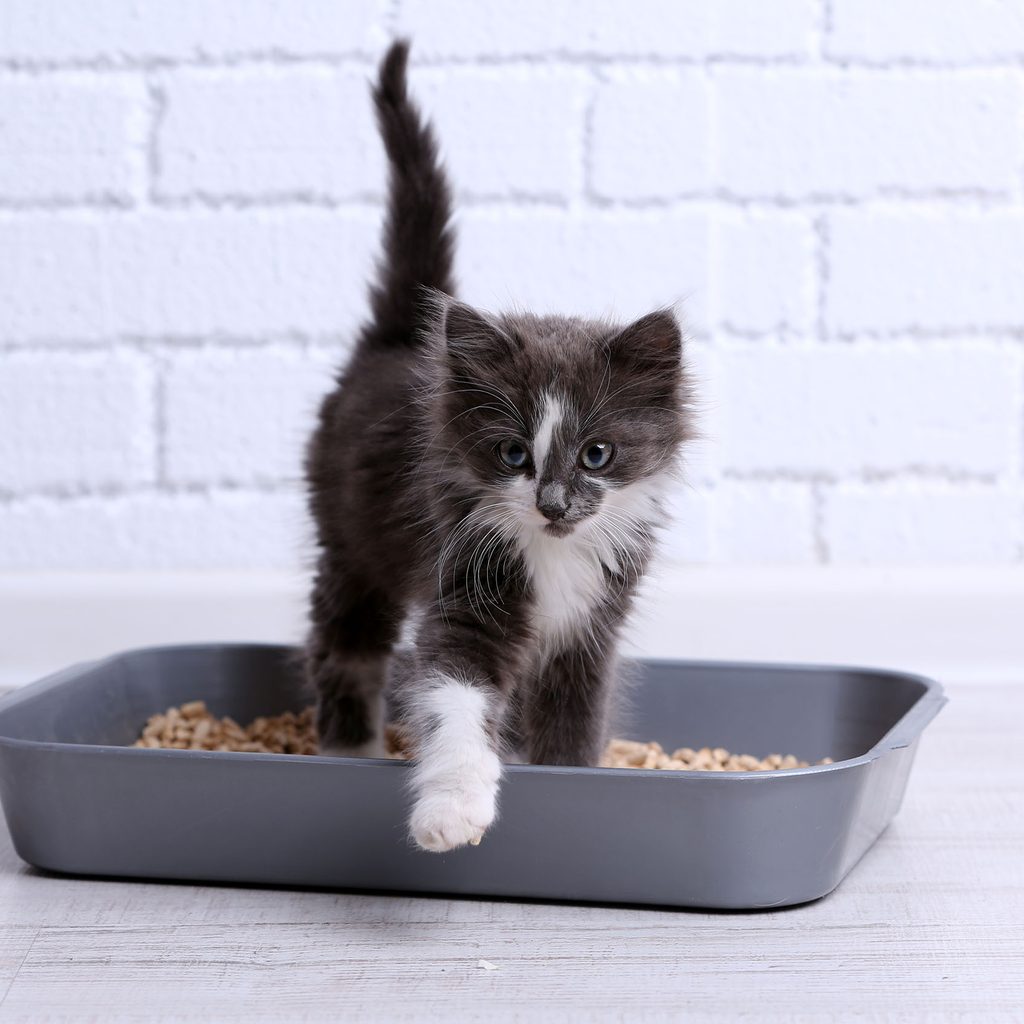
Step 5: Use toys and treats. The goal is to help your cat create a positive association with the litter box.
To achieve this, you can use anything your cat enjoys, whether it’s a tasty treat, favorite toy, or catnip. Put their toys around the new box. Scatter treats in the area with the litter box. Sprinkle some catnip near the box’s entrance or on the mat.
Step 6: Remember positive reinforcement. You should also provide positive reinforcement whenever your cat approaches and explores the litter box.
Warm, positive emotions work just as well as treats when rewarding your kitty for their good behavior. If you praise and show support for your cat, it lets them know that you approve of their behavior. With your reassurance, they'll feel better about using the new litter box
Step 7: Let your kitty set the pace. Additionally, you should never force your cat to use the new litter box or scold them if they don’t.
Negative reinforcement doesn’t work; it will only make your cat afraid of the new box and of you. Give your cat the time and support thye need to get accustomed to the new litter box.

What to do if your cat refuses to use the new litter
In some cases, your fur baby can reject a new litter even when you give them plenty of time to adjust to it. If your kitty refuses to use their new litter, it's time to get creative. Try filling several different boxes with different litters, making sure you label them to tell which is which, and allow your cat to choose their litter.
We also recommend sticking to unscented litter, as some cats are extremely sensitive to artificial fragrances.
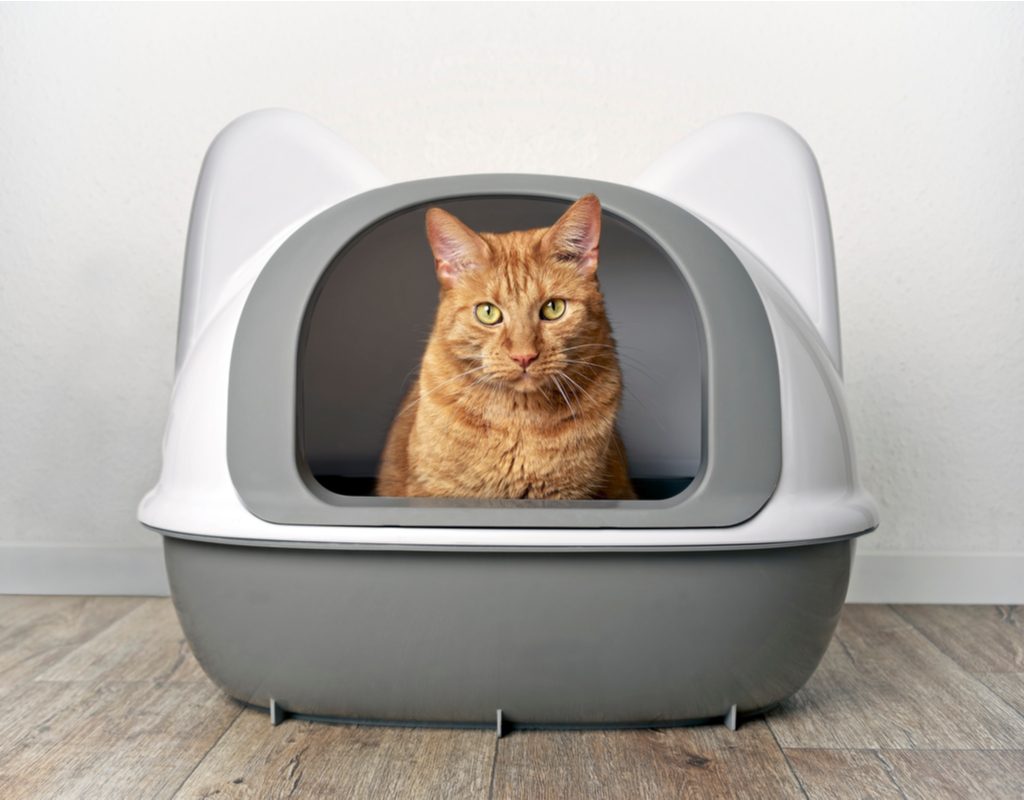
How to get your cat used to a new litter box in a new location
Whether you're moving homes or going on vacation, life circumstances might force you to make many changes all at once. Here's how to help your cat adjust to a new litter box if you don't have the luxury of doing it slowly.
Step 1: Place the litter box in an easy-to-find location.
If your cat is adjusting to a new space, it may take them a while to figure out where everything is. Placing your litter box in a central, easily accessible place makes it easier for your cats to find when they need it.
Step 2: Provide multiple options for the adjustment period.
Cats will hide due to stress. and some may be too frightened to leave their hiding spot. Place a litter box, some puppy pads, or newspapers near their hiding place.
Step 3: Don't make a fuss when your cat uses the litter box in a new place.
Dogs feel rewarded when people cheer or make a big deal over them, but loud noises (even happy ones) can be stressful for cats. Reward them with a calm pet or a treat, but otherwise give them their privacy.
Switching your cat’s litter box can be quite a challenge. Kitties are usually resistant to change, and if you’re not careful, you may end up dealing with a bigger mess than before. By keeping the box in the same location and using treats, scent, and praise to encourage them, you can ease their transition. With these helpful tips, you now know how to introduce a new litter box to your cat. Good luck!