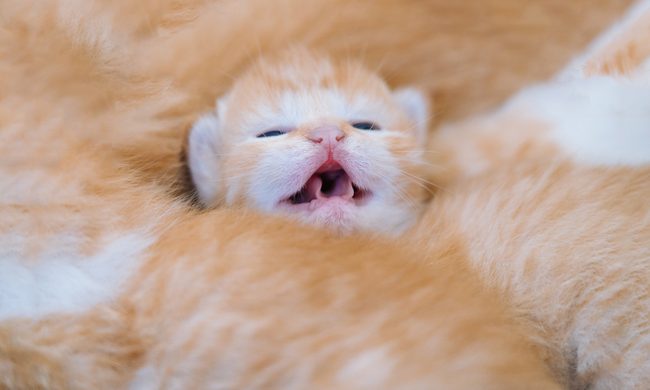
Let’s be honest: Cats are picky and particular. If you’ve ever seen your cat kneading a blanket or turning circles before lying down, you’ve witnessed Whiskers exercising his preference for the perfect comfy spot, likely for a cat sleeping position that looks less than comfortable. Having access to a cozy spot to sleep can keep your cat happier, which makes it important to recognize just which spots he likes most. So, where do cats like to sleep? What do cats like to sleep on – and why do cats sleep so much? Understanding your kitty’s preferences can help you ensure his prime spots are always available for catnaps and deep sleep.

Warm areas
While humans often prefer a cooler space to sleep so we can snuggle up with blankets, cats are all about being warm and comfy. You may notice that your cat seeks out the warmest places in the house to sleep. These places probably include a sunny window, a sunlit spot on the floor, an area right in front of or above your heating vents or radiator, and anywhere else that’s toasty.
You can help your furry friend out by keeping spaces cleared for him. For instance, if your cat loves to sleep in sunny windows, keep the windowsills free of clutter. You can also purchase a window seat for your cat, giving him a sunny spot to sleep.
If your cat likes to curl up in front of radiators or other heating elements, take steps to keep him safe while he’s snoozing. Make sure that any blankets or cat beds are positioned well away from elements that get hot. If your cat likes to sleep in front of the fireplace, use a fireplace guard to keep him safely distanced from the fire.
Soft surfaces
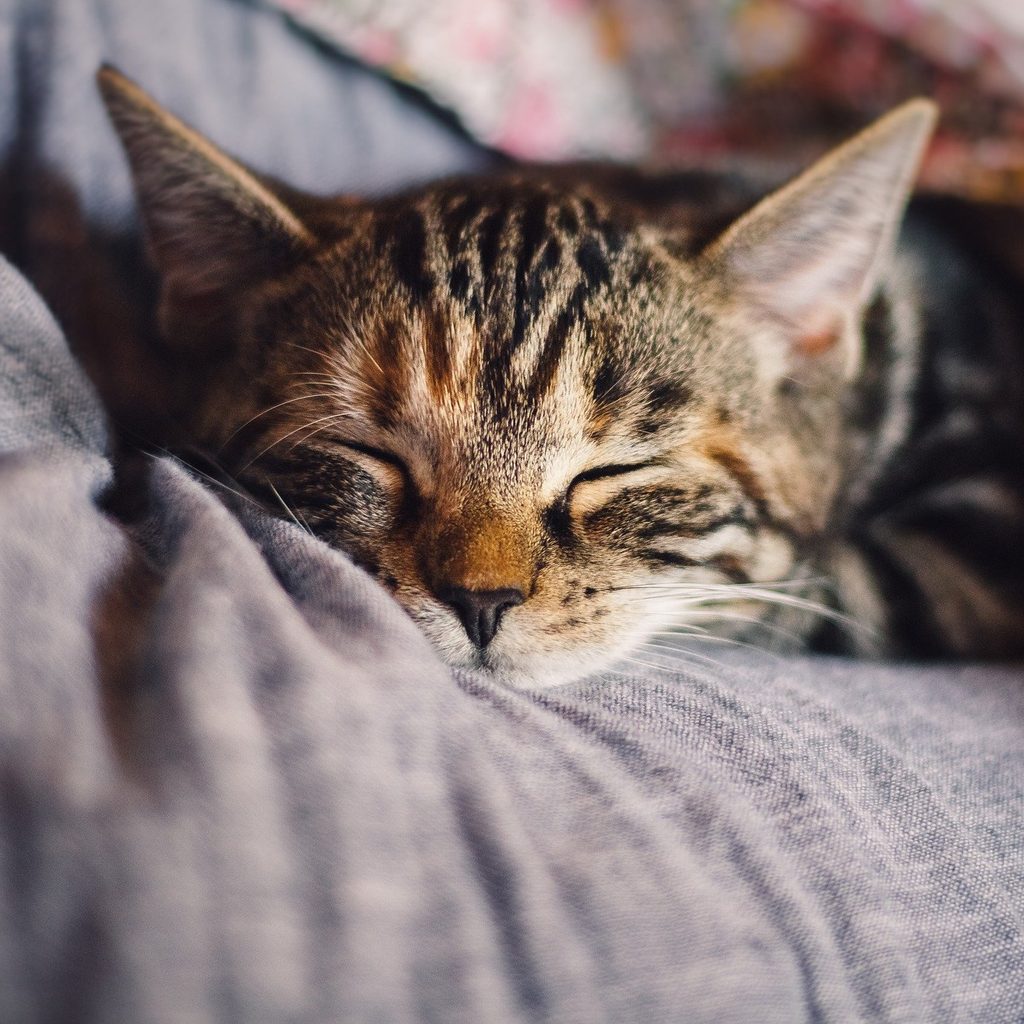
Cats seek out soft surfaces that are perfect for cuddling down into. These surfaces might include blankets, your couch or armchair, your bed, or a cat bed. You may notice that your cat prefers one blanket over others. This may be because he enjoys the blanket’s texture, or the blanket may have acquired his scent or your scent, which can be reassuring.
Your cat will often knead to soften the surface and make his bed before lying down. This is fine when he’s using a blanket, but it can leave holes in your couch or other furniture. To prevent this, you might want to lay blankets over your cat’s favorite spot on the couch. You can also add a cat bed to give your cat a cozy, soft spot on top of the furniture.
Secure, private places
Cats instinctively seek out places where they feel secure and safe before nodding off. For many cats, these are quiet areas of your home where he isn’t likely to be disturbed. Your cat might sleep underneath furniture or climb up on a cat tower where he can keep an eye on all the action in the house while still catching some z’s.
You can help your cat feel secure by letting him sleep undisturbed. When he retreats to a quiet room, let him nap in peace and encourage the other members of your household to do this, too. If you have dogs in your house, you can use a pet gate to keep them out of the room. Explain to kids that your cat is getting some rest and needs to be left alone for a few hours.
You
Some highly social cats seek out their humans’ laps at naptime. If you think about it, a lap is the perfect combination of warmth, softness, and security. A cat who sleeps on your lap is demonstrating his trust in you, and he’s decided that you’re the best naptime companion in the house.
Cats have some distinct preferences when they sleep, and a cat who’s new to your home may take awhile to find those perfect sleeping spots. You may notice that your cat changes up his sleeping areas from season to season, and he may be reacting to temperature changes. You can help him get some great sleep by leaving his chosen areas undisturbed, or by adding his favorite blanket to make the spot extra-comfy. You might experiment with different types of cat beds to which your kitty likes, and then you can add them to select spots around your house.