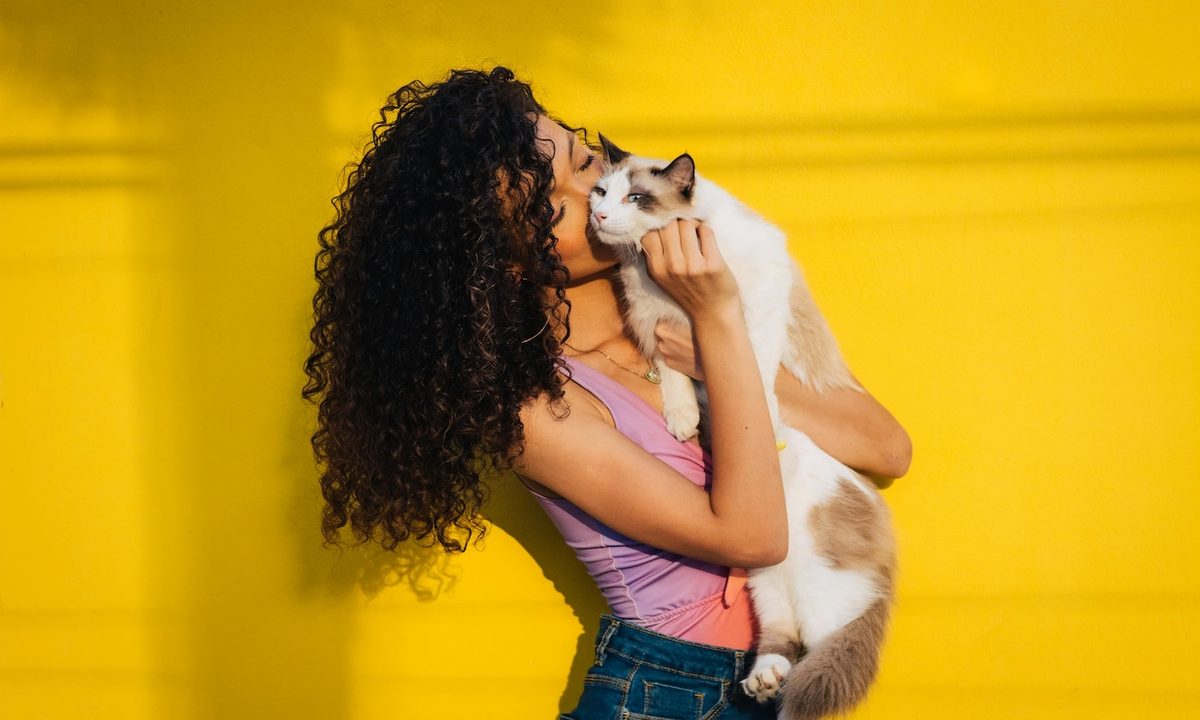
Why do we give our pets kisses? For us, it shows affection and devotion to our animals, including by reinforcing the physical bond between us. But when we give our felines a peck on the head and they glare up at us, it’s easy to wonder what they feel during this sign of our love.
Do cats understand kisses? To get to the heart of this question, we first have to think about how our kitties feel about us. Scientists don’t have a consensus on whether cats feel love (in the same way we do) for us and how we should interpret their behavior. It seems that some mousers do indeed enjoy getting a kiss or two, while others certainly probably don’t enjoy it.
Cats use body language and a few other methods (like smell) to communicate their feelings. They could learn pretty easily, though, that a kiss from you means something, even if it doesn’t come naturally to them. Along those lines, you may wind up with an animal that loves smooches and comes to you for them daily. In order to work up to that response, you want to introduce lip smacking in the right way. We’ll dive into cat behavior more deeply to get a good understanding of how they like to give and receive affection.
How do cats show affection?
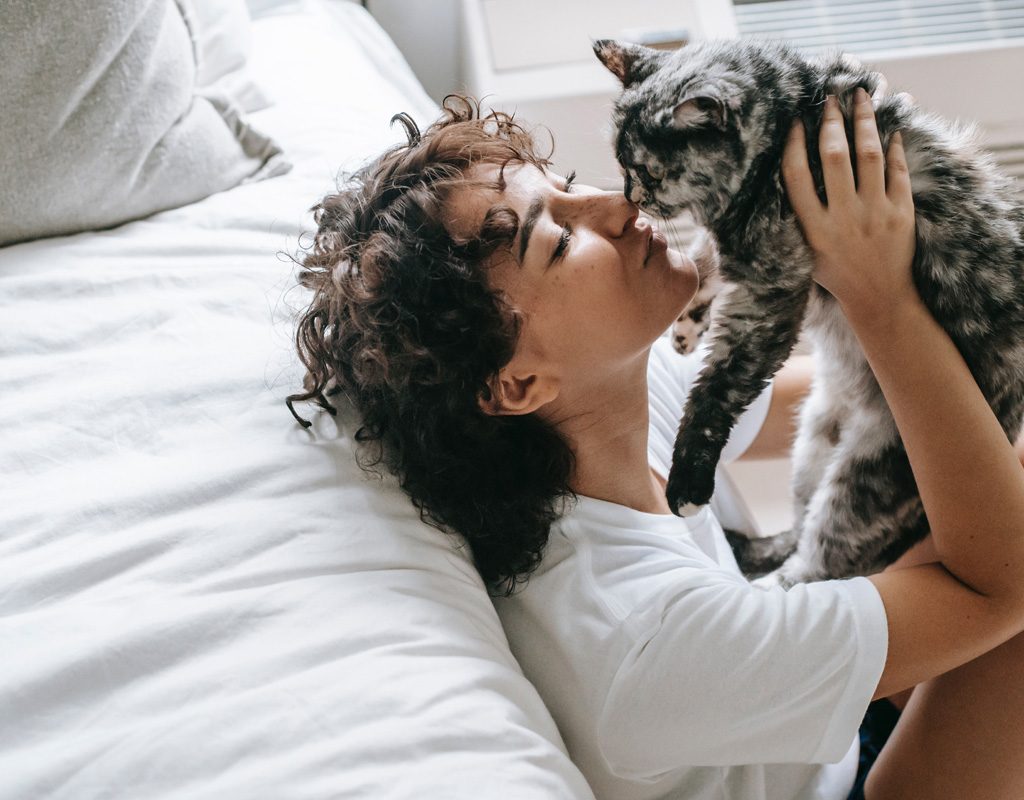
Even if we can’t peer into a cat’s mind, we do get a glimpse of how they might feel and what they do to show it. Researchers are confident that kitties do form attachments to their humans and can even have a favorite person. That’s why they want to be near you frequently and may experience separation anxiety when you leave. As long as you stick close, you’ll see some clear signs of endearment from your beastie. A few of these include:
- Rubbing against you
- Headbutting, especially your hand
- Kneading you
- Sleeping next to you (or on you)
- Whisking you with their tail
Lastly, you may notice your cat gives you a lick sometimes, which can be interpreted as a kiss in its own way. However, more often, you will receive a headbutt or a rub. It seems a touch unusual to us, but makes perfect sense if you’re a four-legger with a strong sense of smell. All these actions will leave behind some of your pet’s pheromones, thus marking you as theirs.
Licking can also stem from grooming behavior in animals. Everyone has spotted a mama cat that licks her babies to get them clean, which is necessary after birth and when they’re still developing immune systems. Once she grooms you, that’s a clear sign that you have been accepted as part of the pack.
Do cats understand kisses? Do they like kisses?
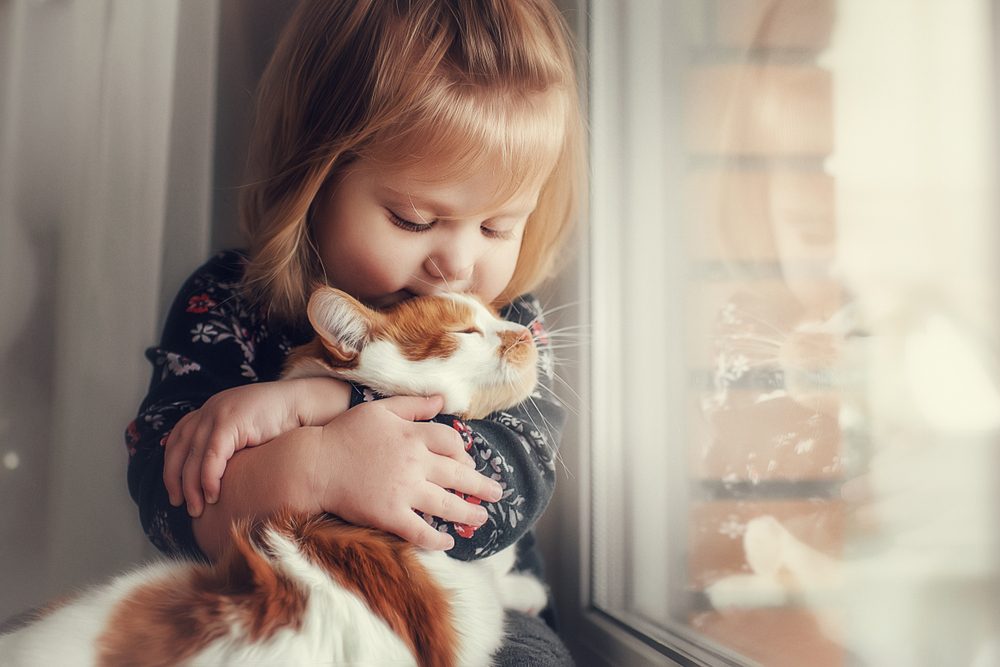
We’ve covered how your furry friend will show you affection, but what’s the best way to give it in return? You can certainly try a few pecks as long as you watch for the telltale reactions that say your cat doesn’t like it. If they try to get away, their ears go flat, or they run and hide, assume that the kiss was not welcome. On the flip side, kitties that purr, lick, or headbutt you in return probably enjoy the smooches.
Guidelines for kissing cats
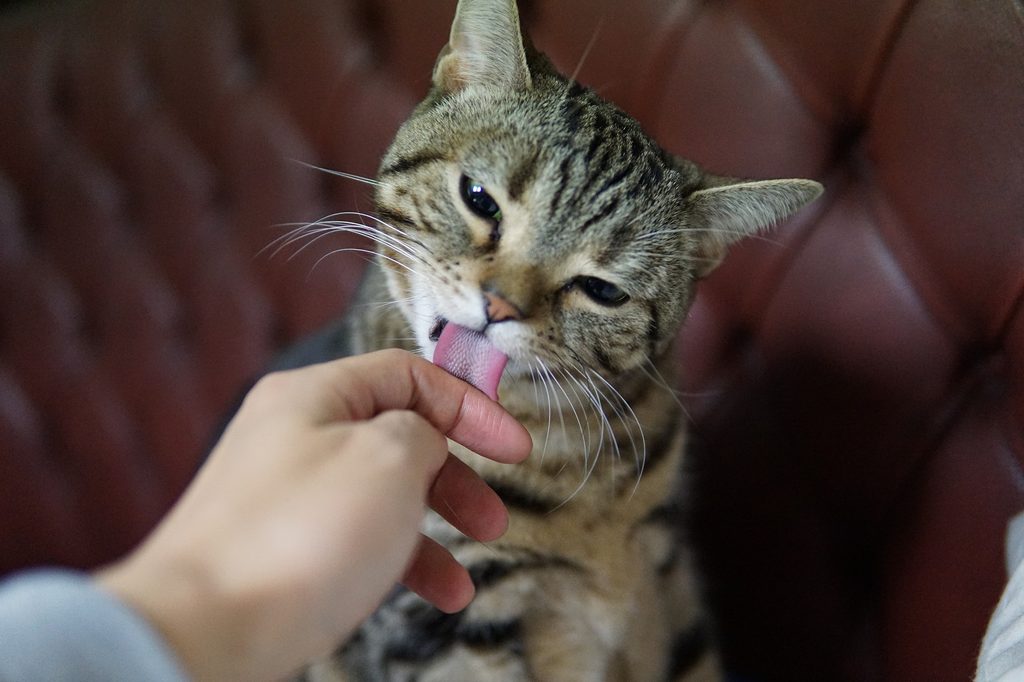
Once you feel confident that your kitty wants this type of affection, you should still make sure to bestow the kisses in the right way. For starters, we don’t recommend smooching your cat on the lips (hopefully not your intention anyway). They probably won’t like it, and their mouths can have bacteria or parasites.
Next, only kiss your own cat as any strange animal will probably reject your affection since they don’t know you. Lastly, tell your human children not to kiss the cat or any other pet. It can be hard for them to understand boundaries and mind the warning signs that your kitty is fed up.
Now that you have a better understanding of how cats show affection and what they think about kisses, you’ll be able to approach them cautiously — but optimistically. When you bring home a new buddy, you probably want to wait a bit to introduce the pecking. That will allow you to get to know your creature first and have a strong idea of their likes and dislikes, as well as the signals that they want you to stop. Once you feel pretty sure that your kitty enjoys the kisses as much as you do, feel free to give them as much love as they’ll tolerate.