If you’re tired of hauling heavy bags of cat litter home from the store, are frustrated with your litter being out of stock, and are fed up with the increasing prices of cat litter, then it might be time for a change. Homemade cat litter is relatively easy to make, and it’s light and easy to carry, too. Even if you don’t have the time to make your own cat litter, there are some alternatives to traditional litter that are easy to buy and affordable. If you’re thinking of changing things up, then it might be time to give a litter alternative a try.
How to make homemade cat litter out of paper
This DIY cat litter can save you from having to muscle heavy bags of litter in from your car. It can also be a cheaper alternative to traditional litter since you can make it with materials you already have around the house. In fact, all you need is some paper, like old newspapers. If you don’t have enough from your newspaper subscriptions, chances are your neighbors and friends will be happy to give you theirs. In addition to newspaper, you’ll need some dish soap and baking soda.
Here’s how to make it:
- To get started, shred the newspapers — a paper shredder can help. Use only traditional newsprint paper, not the colored, glossy flyers and advertisements.
- Once your paper is shredded, place it into a bucket (shred enough to just about fill the bucket). Add enough warm water to cover the paper, and then add in 2 tablespoons of dish soap. Let the paper soak until the print has faded completely.
- Drain away as much water as possible. Squeezing the paper can help, and you might find it easier to press it against the sides of a colander. Once the paper is drained, you’ll need to put it into another bucket of warm water but without any dish soap.
- After the paper has soaked for a few hours, you’ll need to drain it again. Once it’s drained, sprinkle baking soda all over the paper and knead it. It will gradually turn into small pieces of pulp. Spread the paper over a surface, like a screen, so it can thoroughly dry. This process takes one or two days. Once it’s thoroughly dry, it’s ready for the litter box.
Alternative cat litter ideas
Making your own cat litter can be time-consuming, but there are plenty of other alternatives to traditional litter that are ready to use with no prep required.
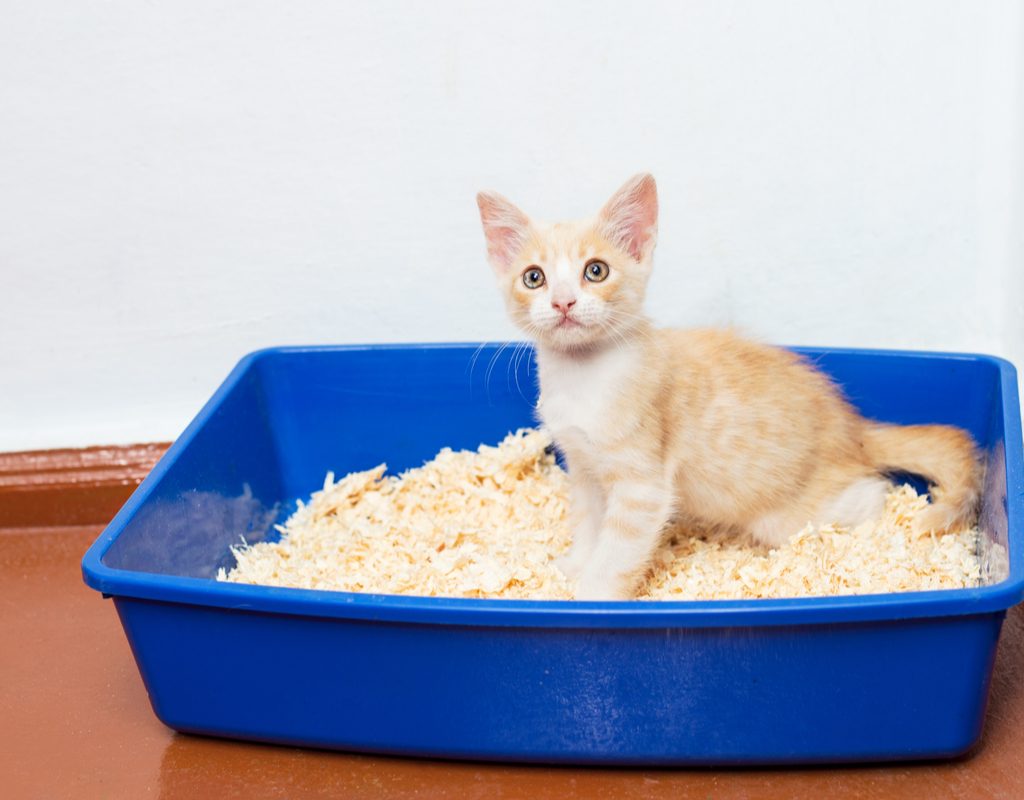
- Pine shavings — the type used as animal bedding — can also function as cat litter. Wood shavings tend to be absorbent, and they smell nice. For additional savings, opt for the oversized bags you can find at feed stores for use in horse and livestock stalls.
- Sand can also be a good cat litter, though it can get messy. Using a rubber mat around your cat’s litter box can help contain the spillover. You can even add baking soda to the sand to help control odors. Play sand is easily accessible, and you can often buy it at big-box stores or hardware stores.
When you introduce new litter, be sure to do it gradually, since your cat will already be used to his old litter. A sudden change might offend your cat, and picky cats might boycott their litter box if they don’t like your new homemade litter. Add just a little bit of the new litter to your cat’s old litter and then gradually increase the proportion of new litter to old. This gives your cat time to get used to the new litter, increasing the chances that he’ll accept it once you totally replace his old litter.
Cat litter can get expensive, and using commercially available litter might not always be the best option. If you’re ready to try your hand at a DIY cat litter, the process is pretty simple. By making your own litter, you won’t have to worry about running out or about the store being out of your go-to litter. You’ll also have the satisfaction of knowing that those old newspapers are getting reused. Homemade newspaper litter weighs a lot less than traditional clay-based products, making for easier trips out to the dumpster. If you’ve been on the fence about making your own litter, why not give it a try and see how it goes? The change might do you and your kitty both good!