  1. Home
  2. Cats
  3. How tos

I see a stray cat: Is it safe to approach? What you need to know

It's important to know the difference between stray and feral cats

Add as a preferred source on Google
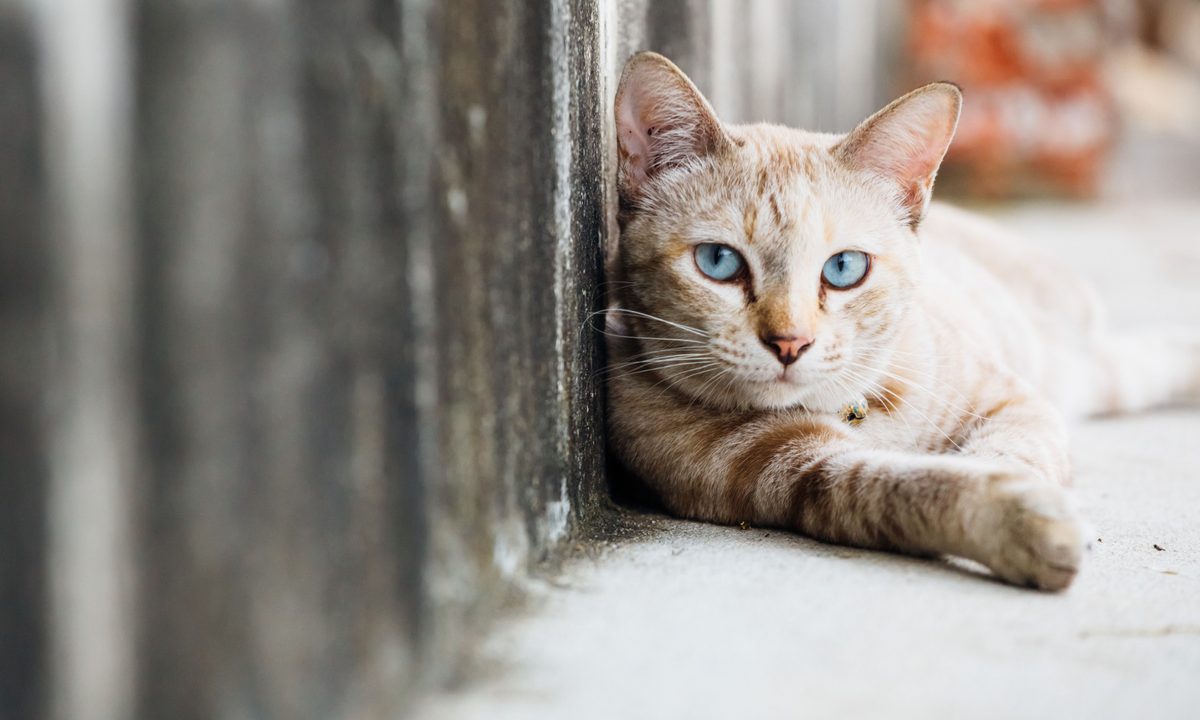
Stray cat outside
Image used with permission by copyright holder

According to the ASPCA, approximately 3.2 million cats enter U.S. animal shelters every year. Of these, a significant number are strays.

Recommended Videos

Difficulty

Moderate

Duration

30 minutes

What You Need

  • Veterinarian

  • Canned tuna

  • Patience

A stray cat is generally defined as a cat that has lived indoors and is socialized with people but has left or lost its home. This is not to be confused with a feral cat, which hasn't lived alongside humans recently (or ever) and is essentially a wild animal.

From time to time, stray cats may appear in your neighborhood or at work. It's always tempting to try to pet the animal, call it over, feed it, or even bring it inside or adopt it. But is it safe for you or for the cat? Here's a closer look.

Stray cat outside
Pathara Sanjou/Shutterstock

Stray vs. feral: How to tell the difference

Strays, at some fairly recent point, were pets. Feral and semi-feral cats are closer to a squirrel or raccoon than a household companion. Feral cats also are very difficult, if not impossible, to train.

As a result, it's probably best to leave feral cats alone unless you have a sound game plan and professional guidance. Neutering and monitoring programs, for example, exist around the nation and can be a healthy way to get involved with feral cats. Your local vet or animal shelter can give you more guidance.

Here's how to tell the difference between stray and feral cats:

Step 1: Social: Strays will be friendly to humans, whereas feral cats will stay away and can even become hostile in close interactions.

Step 2: Touching: Strays will seek out and welcome human contact, but feral cats won't, with some not able to tolerate even the slightest physical contact with humans.

Step 3: Communication: Strays will meow and be vocal; feral cats are quieter.

Feral cat outside
Image used with permission by copyright holder

Step 4: Appearance: Strays might be dirty, whereas feral cats are clean.

Stray cat at the vet
Okssi / Shutterstock

How to safely approach and help a stray cat

If the feline in question is not feral and you wish to approach it, there are a few rules of thumb for how to do it safely for both parties.

Step 1: Feed, but beware.

It's OK to offer food to a stray cat, but there's a catch. If it gets food at your house once, it will come back. You've been warned. Canned tuna is a great food option if available.

Step 2: Speak softly.

Approach with caution and keep your voice soft. Let the cat make the first move; it will come to you if it feels safe.

Step 3: Don't just feed it.

It can be fun and rewarding to feed a stray cat. But if you really want to keep it around, the safest thing for the stray, for you, and for any other people and pets in your household is a visit to the vet.

Step 4: Scan for the chip.

Speaking of the vet, they can scan for a microchip, which is now widely implanted below a pet's skin and used for identification. If the cat is lost, this is the best way to help the little guy get found.

According to ASPCA data, 27% of cat owners found their feline as a stray. Just keep in mind that before you take in a stray cat that another family somewhere may be heartsick over the loss of its beloved pet. No matter your plans, you can proceed safely knowing how to distinguish stray cats from their feral cousins and how best to approach the stray so you both have a positive interaction.

Scott Harris
Scott Harris is a freelance writer based near Washington, DC, with more than a decade of experience covering health…
How to care for newborn kittens without feeling overwhelmed
This is how to feed and care for newborn kittens
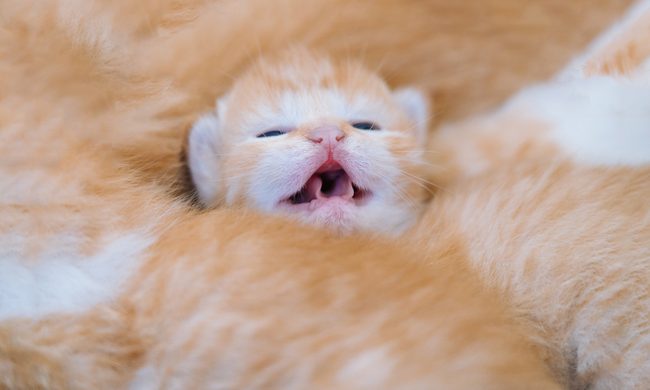
A mewing newborn kitten at the center of a cuddle pile

First of all, congratulations on your furry new arrivals! The first time newborn kittens open their giant eyes, you'll feel like the best cat parent in the world. Whether your cat’s litter was planned or a happy accident, there’s no denying that welcoming newborn kittens into the world is exciting. But kitten care can also be a lot of work.

Caring for kittens isn't for the faint of heart. Between learning how to feed them and how to help them potty, you'll be in the thick of things. Thankfully, we have some good news: You can care for newborn kittens without it becoming a second job. Here’s what you need to know.

Read more
Clicker training for cats: A great way to teach them
This method will work well to correct problem behavior in your feline
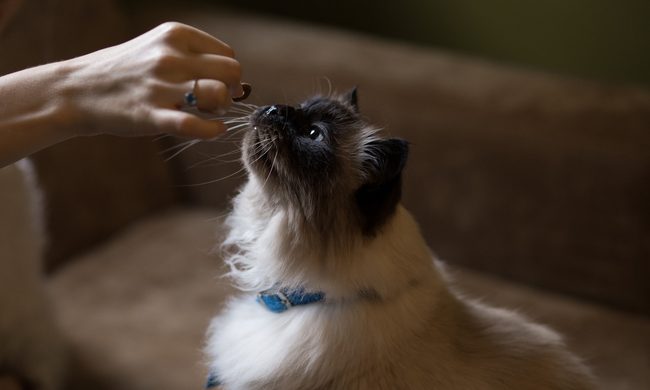
Cat sitting and eating a treat

Being a cat owner is one of the most rewarding experiences in the world. From their adorable chirps to their vibrant personalities, cats quickly become entertaining, affectionate members of the family. But sometimes, our frisky feline fur babies can be a bit naughty.

Whether your cat likes to nibble on your fingers, screech in the middle of the night, or annoy the family dog, it's time to begin training your cat. However, selecting the right training method is essential when it comes to cat discipline. Shouting can cause anxiety, which may worsen your cat's behavior instead of improving it. Let's find out why clicker training for cats is an effective way to correct naughty behavior — no screaming involved. 
What is clicker training for cats?

Read more
Why and how do cats purr?
Understanding the anatomy of this normal cat sound
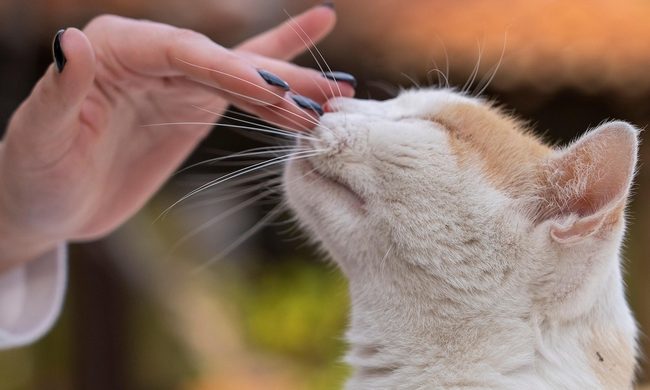
A person boops a cat's nose

The peaceful rumble of purring is a familiar sound to cat parents, but many feline aficionados know very little about their cat's anatomy. And that's OK! Most cat parents won't need to know all the details, like memorizing every muscle in their cat's body, but it can be fascinating to learn about the anatomical functions that make a cat unique, like purring.
Plenty of folks know that purring can be the sound of a happy cat, but how do cats purr? Is it a vocalization like meowing, or something else altogether? Let's learn more about how cats purr and why they make this unique sound. You'll be an expert in purring in no time.

How do cats purr?

Read more