It’s all too tempting to slip your cat some food off of your plate, especially when he’s hanging around or begging during mealtime. But human foods for cats can create problems, especially if you feed your cat something that’s toxic. That doesn’t mean that all foods are off the table, though. You can feed your cat certain human foods safely, as long as you do so in moderation and make sure the foods weren’t prepared in a dish that had other elements like butter or spices. According to WebMD and Wedgewood Pharmacy, you can safely feed your cat these 10 foods.

Cooked meat
Many cooked meats are fine for cats. Cooked turkey and chicken are ideal, and they’re full of protein.
When preparing these meats, don’t use spices or cook them in butter or oil. Serve them up without the skin, and make sure to remove any bones – bones can splinter when your cat eats them. Only give your cat cooked meats, since raw meats can upset his digestive system.
Fish
Fish contains omega-3 fatty acids, which help with many of your cat’s body functions, including his eyesight. Salmon is particularly known for its omega fatty acids, which can support healthy skin and coats, and which can help with your cat’s joint health. Avoid feeding raw fish, and only give your cat fish that’s been cooked in water, as opposed to butter or oil.
Eggs
Eggs are full of protein, and many cats like them. Only serve your cat cooked eggs, though, and withhold the butter when you’re preparing them. The easiest way to prepare an egg is to scramble it without adding milk. Then feed your cat small bits.
Cheese
In moderation, cheese is okay for most cats. Keep in mind that many cats can’t digest dairy, so if you feed cheese, offer just a little bit. Cheese is high in protein, so little amounts – as long as the cheese doesn’t upset your cat’s stomach – are fine.
Pumpkin
Pumpkin is a great food for cats, since it’s high in fiber. It can help to regulate your cat’s digestive system, relieving both diarrhea and constipation.
If you’re feeding canned pumpkin, make sure that you buy pure canned pumpkin, instead of pumpkin pie filling. The pie filling has extra sugar and spices, which can upset your cat’s stomach.
Peas
Peas offer a combination of carbohydrates and protein, so they’re filling. In fact, you’ll find peas included in many cat foods today. Avoid canned peas, which are packed in preservatives. Instead, try to feed fresh peas or frozen peas that have been thawed.
Blueberries
Blueberries are packed full of antioxidants. They’re considered to be a healthy food for cats. Avoid feeding canned blueberries, which have extra sugar. Instead, feed fresh blueberries – just make sure to rinse them off first to get rid of any chemicals or dirt.
Green beans
Green beans are full of fiber, making them a healthy snack for your cat. You can feed him these instead of treats.
Carrots
Carrots are full of important vitamins and minerals, and the beta carotene they contain is known for its antioxidant value. Carrots do have lots of sugar in them, though, so don’t feed too many at a time. Steaming the carrots will soften them and make them easier for your cat to eat.
Broccoli
Broccoli is another vegetable that has lots of antioxidants. Raw broccoli is tough for cats to chew, but you can steam broccoli florets for a softer, tasty treat.
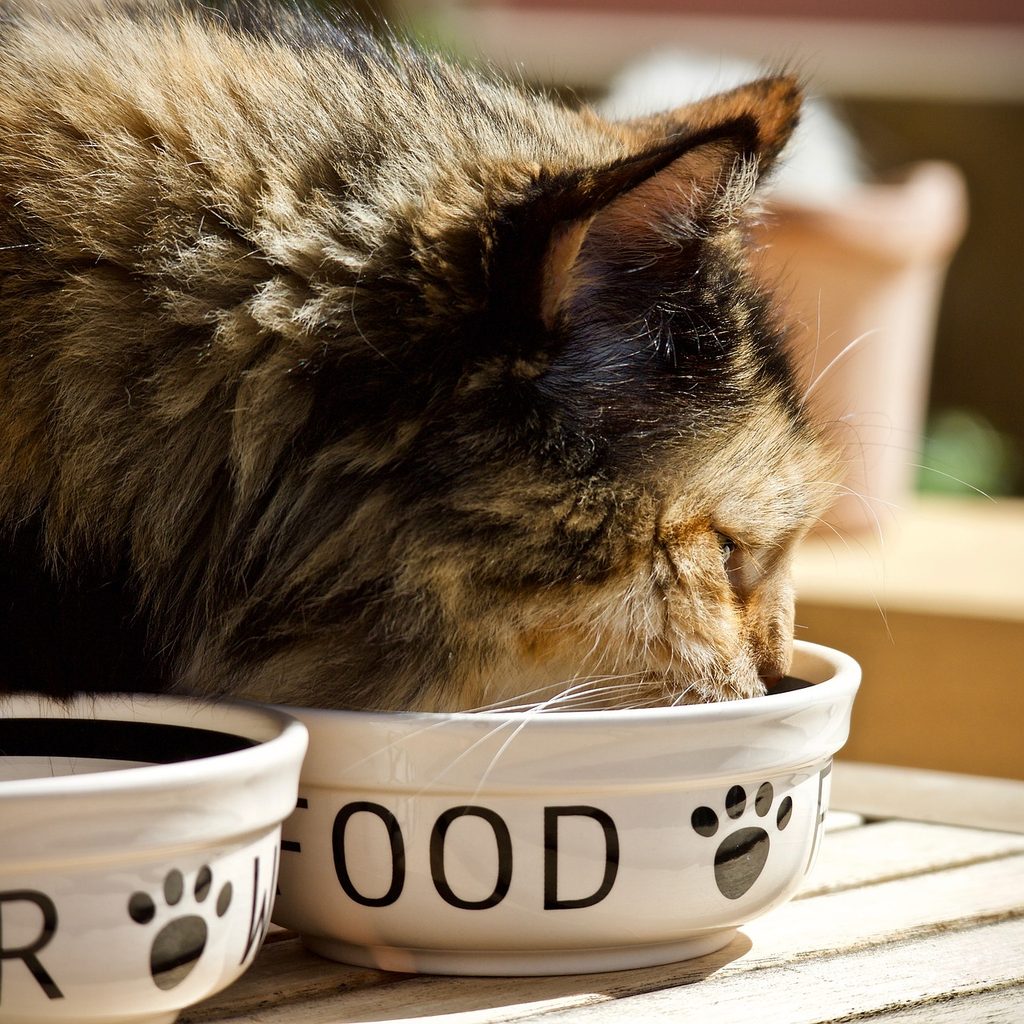
Safely introducing human food to your cat
When giving your cat human foods, make sure that you prepare them specifically for your cat. Pulling some food out of a dish that you’ve gotten at a store or a restaurant isn’t a great idea, since you don’t know what the food was cooked in or what other foods it was exposed to. Common foods like garlic and onions are toxic to cats, so it’s safest to prepare any foods you’re planning on giving your cat separately.
As you introduce human foods to your cat, do so slowly. Sudden dietary changes can upset your cat’s digestive system. If you notice issues like diarrhea or vomiting, stop feeding your cat the treats and return to his normal food. Feeding your cat too many of these human food treats may also fill up your cat’s stomach and make him reluctant to finish his cat food. This could cause your cat to miss out on some of the nutrition he needs to stay healthy. In most cases, you can introduce these human foods slowly and safely, but keep an eye on your cat’s weight and only feed these foods as occasional treats.