When you think of pet cats, you typically think about indoor cats or outdoor cats. There is a third option, however. Some people have indoor-outdoor cats. This when you let your cat roam freely and come and go inside your home as they please. Indoor-outdoor cats are great because your cat gets to explore their adventurous side but still come home to a warm, cozy house. Before you let your indoor cat go explore, however, it is important to look into what types of collars your indoor-outdoor cat needs. There are a lot of types, so check out all of them to determine which will help your cat stay safe, comfortable, and happy.
Traditional buckle collar
Everyone knows what a traditional collar looks like. It is typically a nylon fabric that has a buckle for quick and easy clipping and releasing. It is great for indoor cats but can be a potential issue for indoor-outdoor cats. Indoor-outdoor cats get into a lot of tight places. They climb through bushes, over fences, across fields, and more.
Because of this, a traditional buckle collar could potentially be a choking hazard if your cat’s collar becomes snagged on a branch or fence.
Breakaway collar
These collars were specifically designed for outdoor cats or indoor-outdoor cats. Breakaway collars are just what they sound like. They snap off, or breakaway, whenever the collar is pulled or tugged. This way, if your cat is ever scavenging through bushes or climbing a tree, they are never at risk for their collar getting caught. Breakaway collars help ensure that your cat comes home to you safely.
While your cat becoming snagged on something is not a daily risk, it is definitely a very possible one. So, it is important to ensure your cat has a way out. The only real negatives to this type of collar is that you may have to buy a new one occasionally, but they are definitely worth it for the safety of your beloved pet.
Reflective/light-up collar
Cats like to roam around in the early hours of the morning or the late hours of the night. This is why it is important for them to have some kind of reflection on their collar to let people and drivers know they are there.
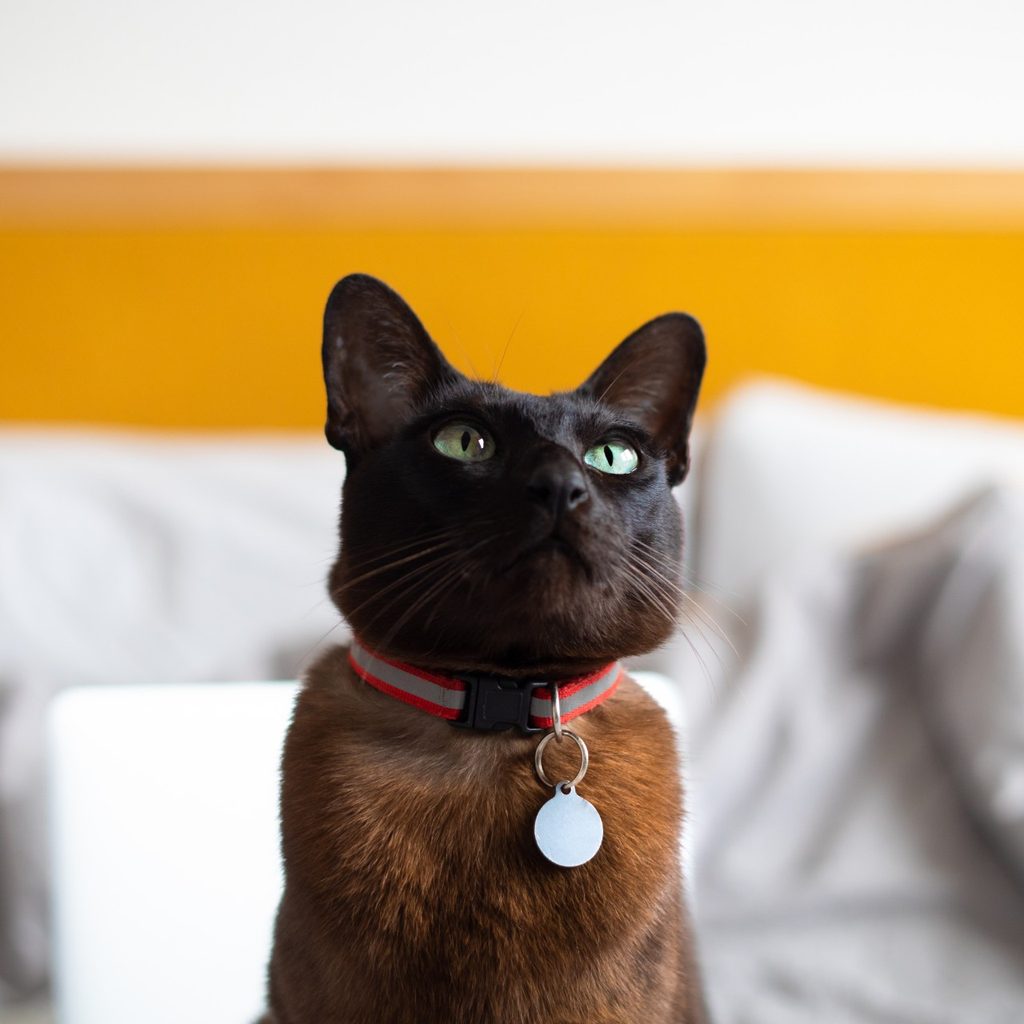
Reflective or light-up breakaway collars will definitely be the best option for your indoor-outdoor cat. It combines the flexibility of a breakaway collar with the brightness of reflective or light-up material. This type of collar is all about safety. Cats are little animals and often cross the road like they own the place. So, it is important that drivers can see them, even during the darkest hours.
No collar
Another type of collar is no collar at all. Collars for indoor-outdoor cats are just for identification purposes. The whole purpose of putting a collar on your cat is for someone to be able to easily return them to you if they wander off or try to make a new home at your neighbor’s house.
These days, however, you don’t necessarily need a cat collar at all for your indoor-outdoor cat. Microchipping is a big trend these days. Microchips hold information like your name, address, and phone number. When the microchip is scanned at the vet’s office, it brings up your information so that your loveable pet can be returned to you. The downside to a microchip is that your cat may look like a stray cat, causing concern among neighbors. Or, if someone finds your cat, they may not think that it belongs to anyone and might decide to keep your cat for themselves.
One great way to resolve this issue is to combine a microchip with a breakaway collar. This ensures that your cat will always have your contact information, even if the collar falls off.
Additions to your indoor-outdoor cat’s collar
Since cat collars are all about being able to find your beloved pet if they ever go missing, there are some additions you need to get for your pet’s collar.
• ID tags — ID tags fit on any collar. They typically feature your cat’s name, your address, and your phone number.
• GPS collars or GPS attachments — There are many GPS attachments that you can add to your cat’s collar. They are designed to help you find your cat at a moment’s notice. You can track their paths and see where their favorite places are to go.
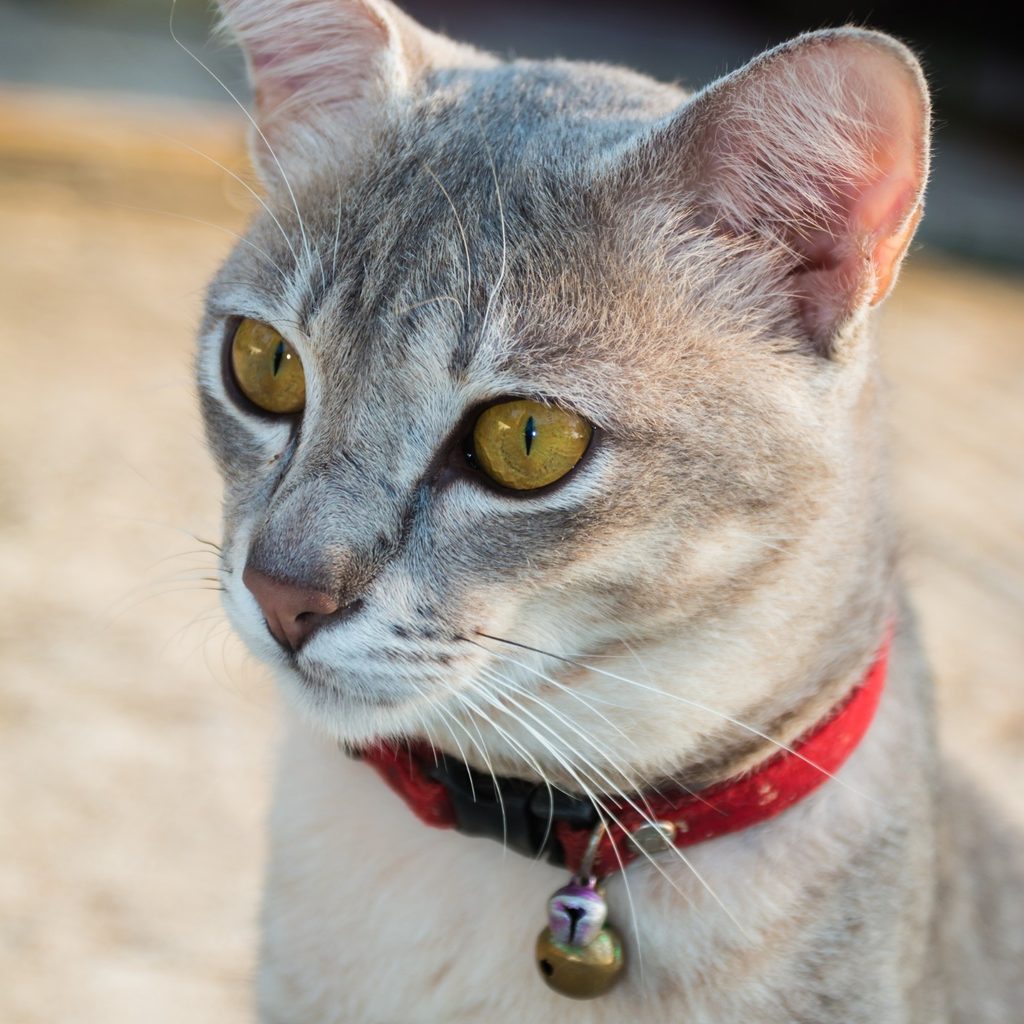
• Bells — Bells are a classic addition to cat collars. They are a helpful way to hear your cat coming home every day.
There are many great options and ways to keep your furry feline safe with collars. The best collar for your cat is one that is safe for them and provides the best benefits for both you and your cat. If your indoor-outdoor cat spends most of the day inside and only wanders around your immediate yard area, then a traditional collar can work great. But, if your cat is on the more adventurous side, then a breakaway collar is typically safer and more efficient.
No matter what tendencies your cat has, it is important to find a collar that is comfortable, effective, and keeps them safe.