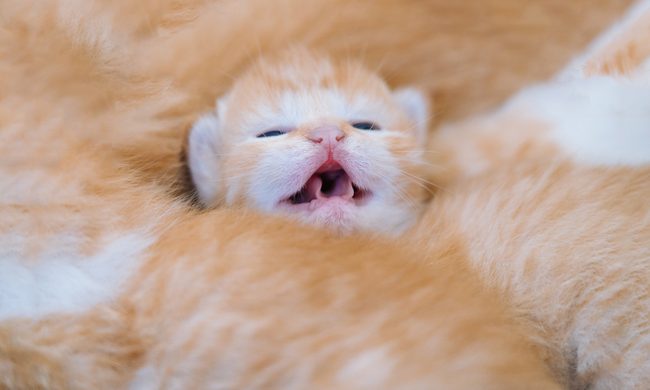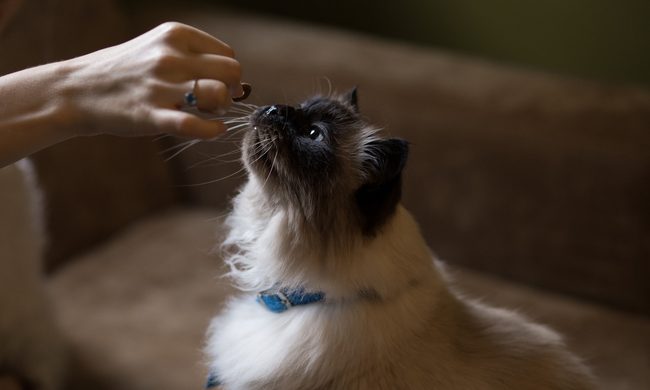
Adult cats don’t meow to communicate with each other — they save the meowing for people. Cats meow to greet us, ask for food, and let us know when something’s wrong. All cats meow, but some do it much more than others. Read on to learn the reasons behind a cat’s meow, when it may be a problem, and how you can train your pet to be less vocal.
Why cats meow
Cats may vocalize for any number of reasons, but meowing is much different than hissing. Here are a few of the most common motives behind your kitty’s meowing.
- Greetings: Your cat may meow to greet you when you return home, walk into the same room as them, or speak to them.
- Attention: Contrary to popular belief, many cats love social contact with people, and they can be pretty vocal when they want your attention. Your cat may want to be played with, pet, or talked to. This type of meowing is common in cats who are left alone for long periods every day.
- Food: Mealtime is a favorite time of day for many cats, and they love to stick to their routines. Some cats may meow to wake you up in the morning to serve them food. Others meow every time someone enters the kitchen in the hopes that they may feed them. Sometimes, cats will meow to beg for human food, too.
- Mating: If your cat is not spayed or neutered, they may yowl excessively to signal to other cats that they are ready to mate.
- Inside/outside: Cats that are allowed outside may meow when they want to enter or exit the house. They will likely walk over to the door and start meowing, so there can be no mistake about what they want.
- Aging: As your cat gets older, they may begin suffering from cognitive dysfunction or mental confusion. Elderly cats may meow when they become disoriented. This is a common symptom of the feline version of Alzheimer’s.
Visit the veterinarian
If your cat is meowing more than they usually do, it’s smart to bring them to the veterinarian for a full checkup. This will allow you to rule out a medical condition as the reason for their meowing. Many diseases can cause your cat to feel more restless, irritable, hungry, or thirsty than usual, which can result in excessive meowing. Even if your cat meows often, it’s wise to get them checked out by a veterinarian, especially if they are older. Senior cats are more likely to develop kidney disease or an overactive thyroid, both of which can lead to lots of meowing.
Train your kitty to meow less
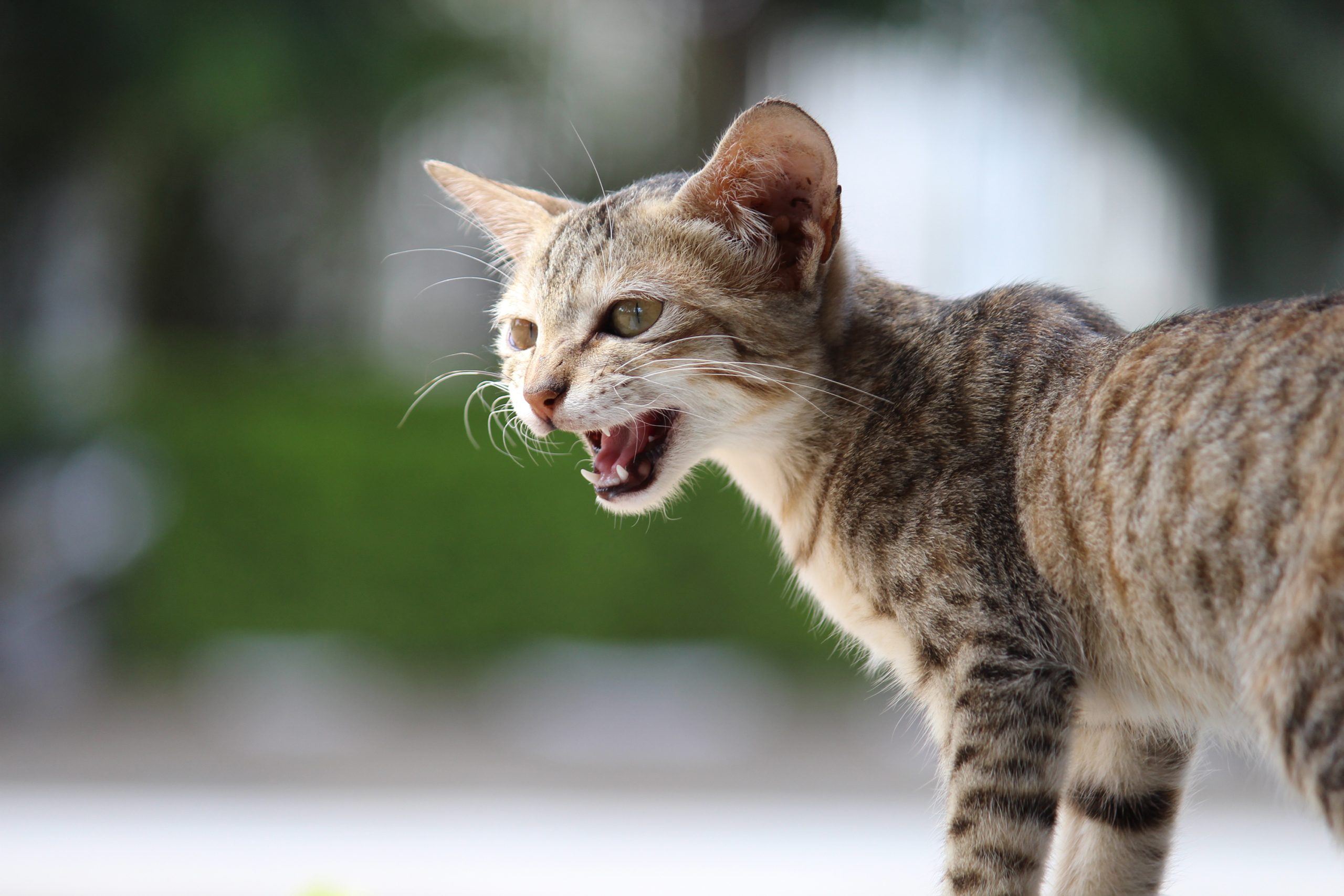
Once you have confirmed that there is nothing medically wrong with your cat, you can try to curb your cats meowing habit if you find it bothersome. First, you must determine why they are meowing. Look at the situation that prompts their vocalizing and what makes them stop. You may want to keep a journal of their actions so you can look for patterns in their meowing. After you figure out what’s causing the meowing, you can try to break their habit using these tips.
- Greetings: There’s not much you can do to stop your cat from saying hello, but you can tell yourself how lucky you are to have a cat who’s excited to see you every day.
- Attention: If your kitty meows for your attention, only give it to them when they are quiet. Don’t shout at them or provide them with any sort of attention when they are meowing. Instead, ignore them when they’re loud and give them your attention when they’re quiet. If they begin to meow again, walk away, and return once they are quiet again. Your cat will learn quickly if you’re consistent with your training. If they meow because they’re lonely during the day, consider hiring a pet sitter to visit while you’re out to play with them.
- Food: To stop your cat from crying for food, don’t feed them when they meow. This only rewards their bad behavior. Stick to a strict feeding schedule and don’t stray from it.
- Mating: If your unspayed female cat is meowing a lot, they are most likely in heat. The best way to stop them from meowing is to get them spayed at the vet. Unneutered male cats only meow when they detect a female cat in heat. You can prevent this type of meowing by getting them neutered.
- Inside/outside: If your cat vocalizes when they want to be let in or out of the house, install a cat door so they can travel freely whenever they please.
- Aging: When elderly cats start meowing a lot, a trip to the vet is in order. They can evaluate your pet for signs of sensory issues, cognitive dysfunction, and other medical conditions. The vet can also prescribe medication to ease their discomfort and prevent excessive meowing.
Never ignore your cat when they start meowing; it’s their only way to communicate that something is wrong. Unless you know for sure that they are meowing because they want something from you, you should check to ensure their needs are being met. Don’t disregard their meows automatically, and never scold them for meowing too much. Though the punishments may stop them for now, they’re not likely to have a lasting, positive impact on their behavior.
If you see something unusual around their mouth area, check out the reasons behind swollen cat lips.
Cats only meow when they want to communicate with you. Whether they are begging for food or are dealing with serious pain, it’s important to listen to their meows and determine the root cause before you become frustrated. By learning why cats meow, getting them a vet checkup, and training them to stop meowing, you can ensure your cat is happy, healthy, and a little bit quieter.