While appreciating your cat’s various sleeping positions, you may have noticed some twitching. Have you ever wondered why this happens? Are they dreaming? What is going on in their bodies? We’ve uncovered the reasons behind this peculiar behavior to share what it means, why it’s important, and when to be concerned. Read on to answer the question: Why do cats twitch in their sleep?
What are the sleep stages for cats?
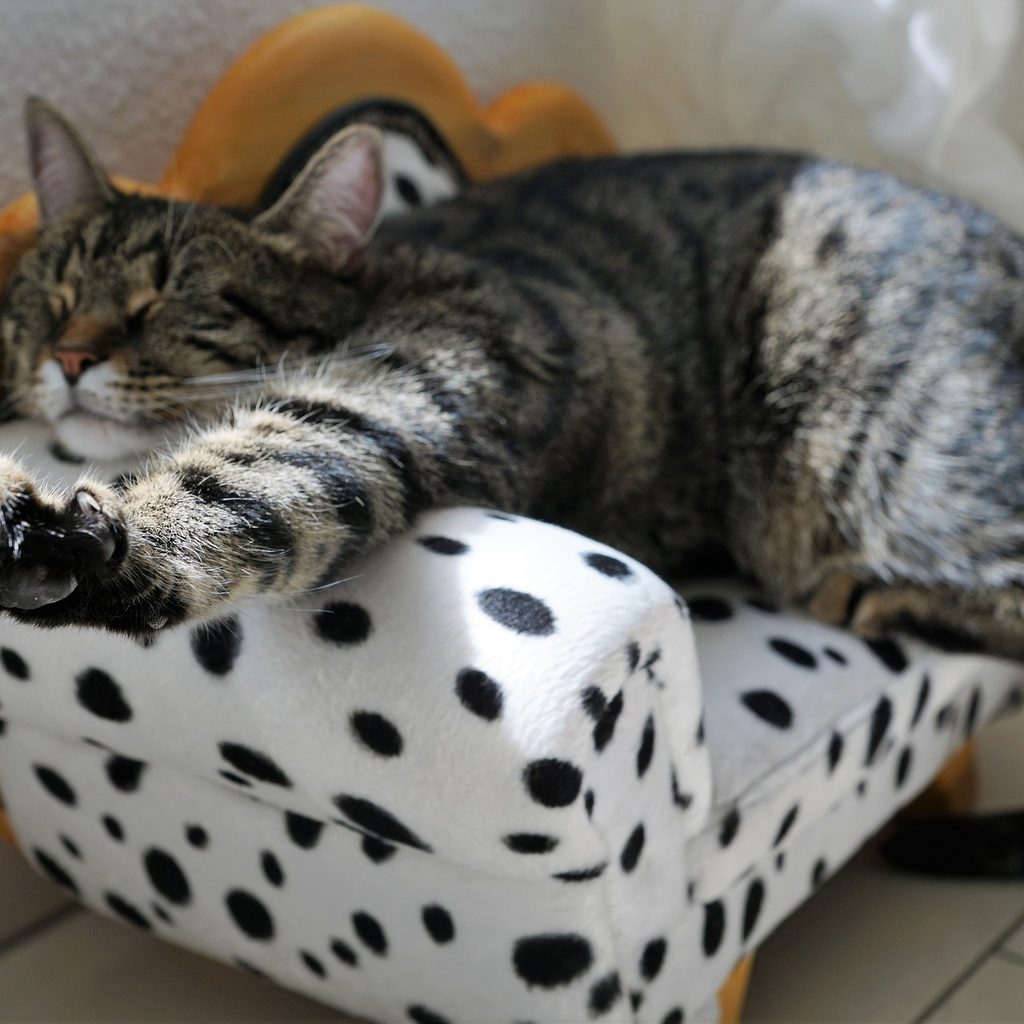
On average, cats sleep 15 hours a day as compared to the eight hours of sleep humans (should) get. It would appear that cats understand the value of sleep and prioritize taking time to rest. Sleep helps them recharge, maintains their immune system, and supports their general well-being. Essentially, adult cats experience three stages of sleep and kittens experience four.
Catnaps
The lightest type of sleep is the short “catnaps” felines take. During this stage, cats are very aware of their surroundings. You may notice that while your kitty is taking a catnap, their ears still turn in response to sounds. Initially, wild cats used catnaps (as opposed to deeper sleep) as a natural defense mechanism and passed this behavior to modern domestic cats.
Light sleep
Light sleep is between a catnap and deep sleep in terms of the level of awareness cats experience. In this stage, cats are still able to pounce at a moment’s notice if necessary. This stage lasts an average of 25 minutes before deep sleep sets in.
Deep sleep
Deep sleep is also known as the rapid eye movement (REM) stage of sleep. When truly sleeping, cats cycle from light sleep to deep sleep and back again. Deep sleep only lasts 5 to 10 minutes at a time and is when cats twitch and likely dream. You may also notice that your pet is harder to wake when they’re in this stage.
Cats may not go into deep sleep if they are uncomfortable or feel unsafe. To make a welcoming sleeping environment for your kitty, be sure to provide them with a bed or otherwise padded, raised sleeping area. Sleeping on a raised platform allows cats to escape other stimuli on the ground, such as children or other animals. Their bed should be in a room that is relatively cool. But if the temperature is too cold, your cat might roll up into a ball to sleep. Cats will sleep in a more relaxed position in warmer temperatures.
Activated sleep
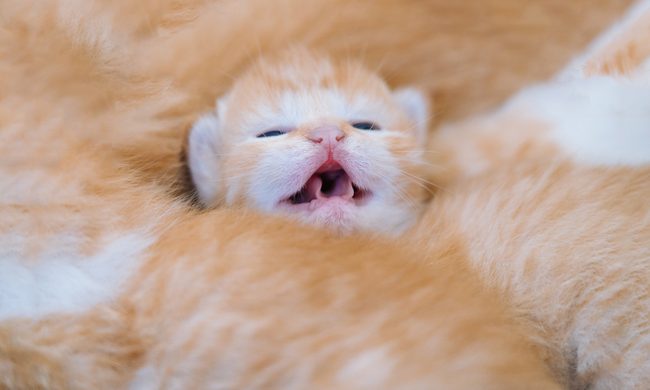
Kittens have a fourth sleep stage, known as activated sleep. During activated sleep, a kitten’s nervous system is active (whereas it’s usually at rest during sleep), and they may cry, squirm, or have more pronounced twitches than average. Like other nerve firings that occur in young animals, this is important to help the nervous system mature. Never rouse a sleeping kitten. They need lots of rest to make up for all the energy they exert while awake!
Why do kittens twitch more than adult cats?
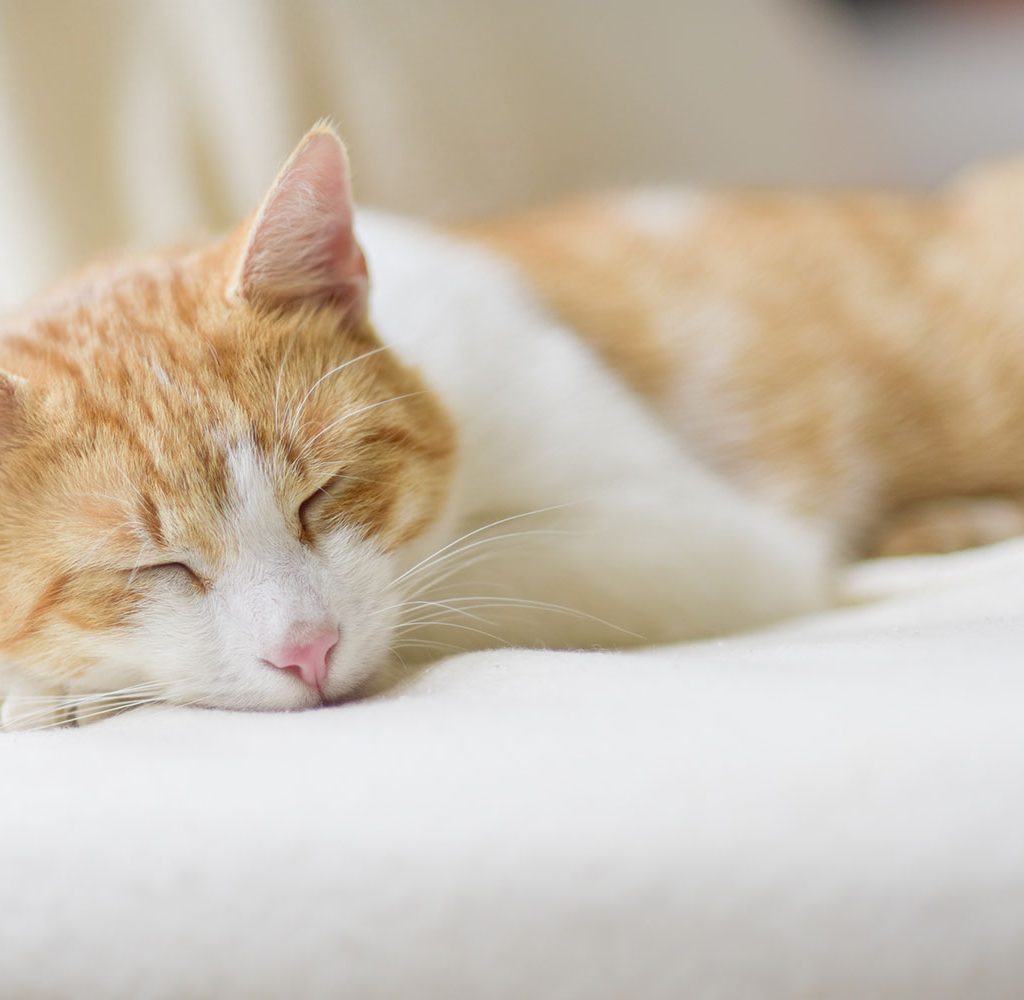
You may have noticed that younger cats tend to twitch more than older cats. A similarity between humans and cats — beyond that we both go into REM sleep — is that our young have immature nervous systems. Their nervous systems are hard at work making neuron connections and constantly firing, which is why babies move their limbs often and kittens are so active. Twitching during sleep in kittens helps to properly develop their brains.
What do cats dream about when they’re sleeping?
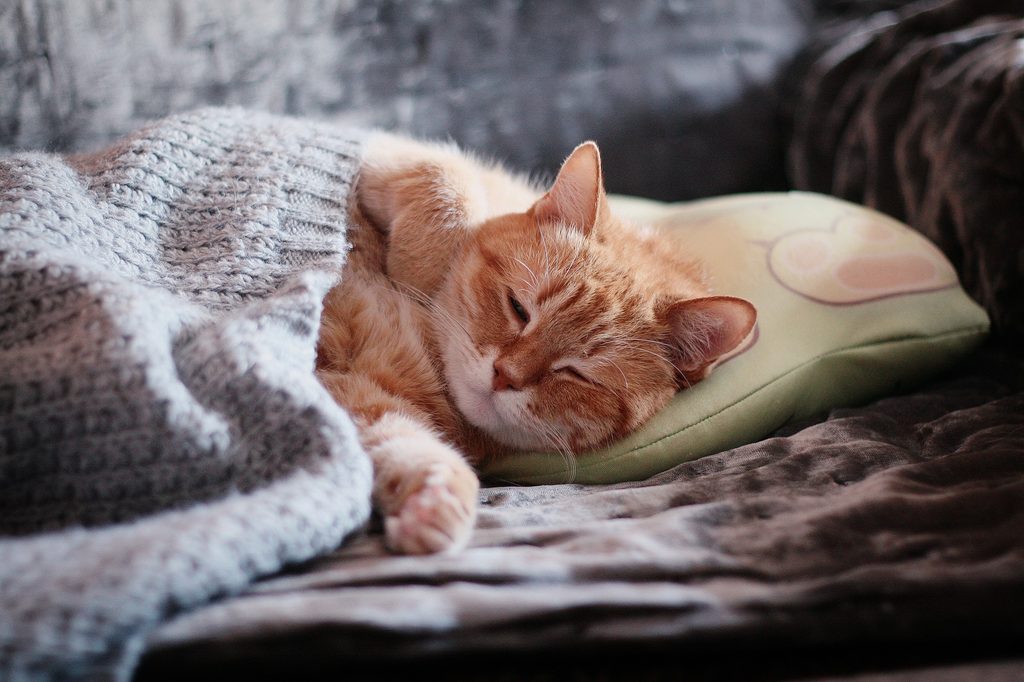
It’s hard to say definitively what your feline is experiencing while asleep, however, a few studies have tried to suss this out. We do know that many mammals go into REM sleep while some other animals, such as fish, most likely don’t. That means cats almost certainly have some type of dream, even if it’s not entirely similar to human ones.
One key difference, researchers suspect that smell might take up a bigger part of our pets’ dreams since this sense dominates their perceptions. Scientists also think our kitties might dream about hunting, eating food, and, of course, us. So your fur baby could really be stalking prey in her sleep and twitching to match.
Should I wake my cat up if they’re twitching?
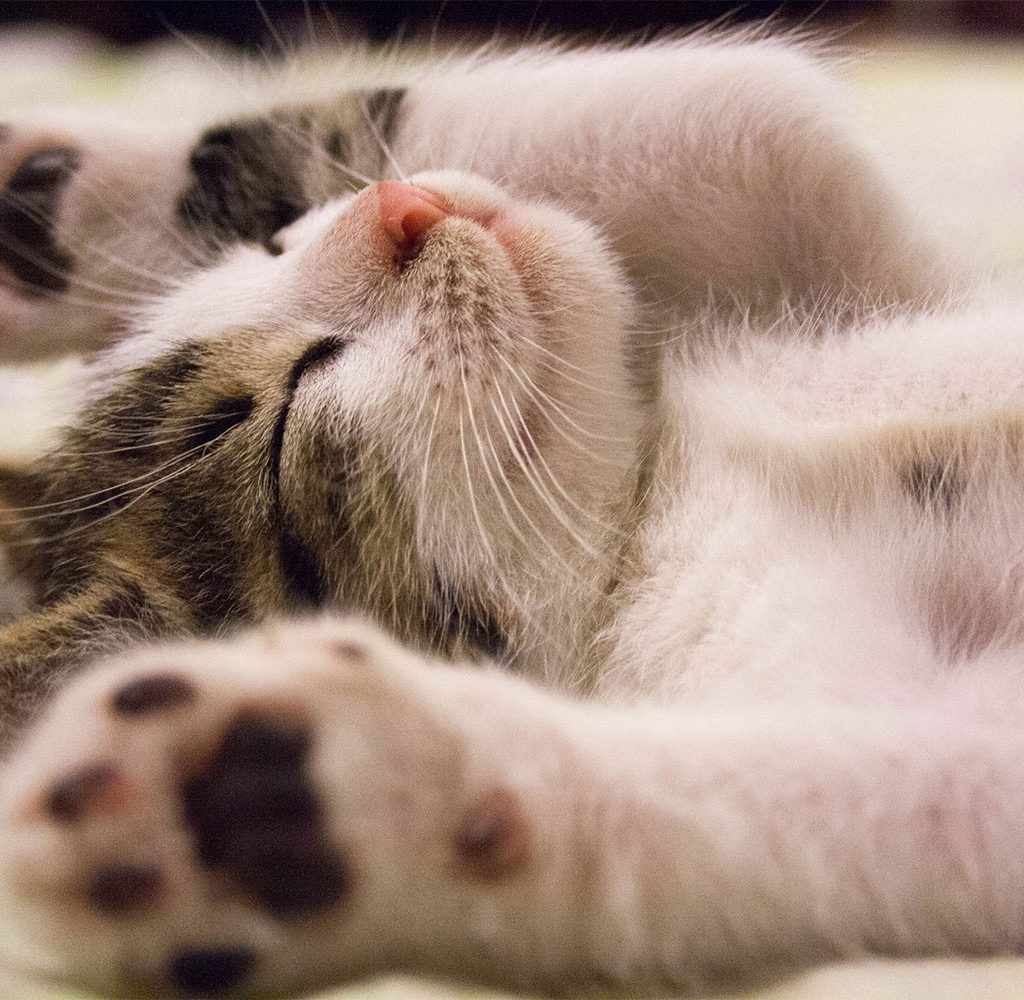
Ask this question first: Would you want to be woken up suddenly from a nap? While they could be having a nightmare, it also might be a happy dream of chasing down mice. Let her have it! You certainly don’t want to startle her awake suddenly, which could be unpleasant for both of you.
In addition to having a grumpy cat afterward, you might wind up accidentally getting scratched. It doesn’t mean your cat is aggressive, but they could think you’re a predator while half-asleep. Unless there’s some kind of emergency or you think something really is wrong, you should let her be and get her z’s.
What is cause for concern?
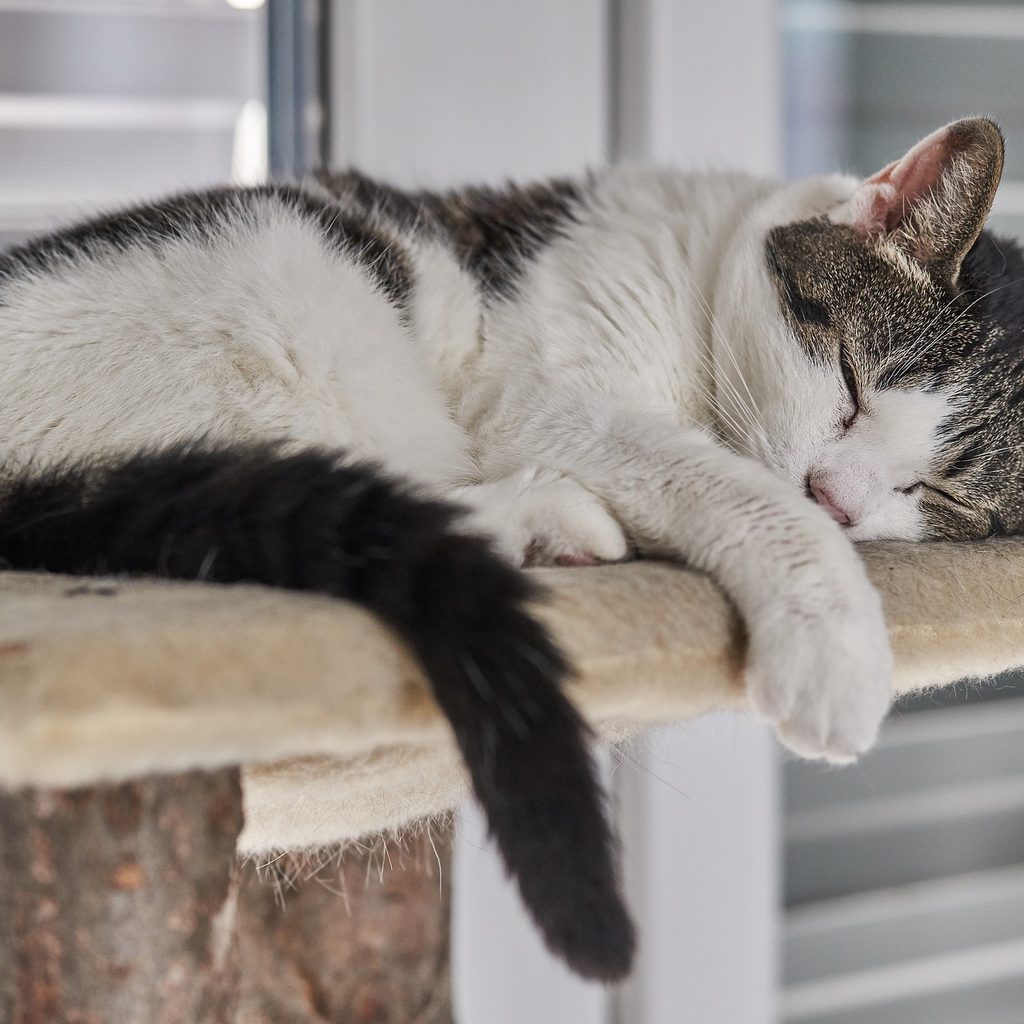
If your funny little cat often twitches in their sleep, you may be concerned that the condition is something serious. However, many cats twitch in their sleep. They might move their ears, knead the air, or make vocal or sucking sounds. Several theories exist as to why.
Some people believe twitches are involuntary muscle spasms, but many scientists agree that cats twitch while in the REM stage of sleep. In humans, the REM stage is when we remember our dreams. Cats can sleep up to 16 hours each day, and a larger proportion of their sleep is REM sleep when compared to the human sleep cycle.
For most cats, twitching while asleep is a normal, common behavior. There’s no reason to see a vet over your cat’s twitching unless they are also lethargic, have a decreased appetite, vomit, their body stiffens or they have jerky movements when they twitch, or they are hard to wake up. These might be symptoms of other serious illnesses.
Whole-body stiffness and jerky movements may be indicative that your cat is having a seizure and not just innocently twitching. Seizures do not only happen during sleep, though, so you will probably notice them while your cat is awake, too. If your cat has seizures, you will also likely find that they act oddly while awake — they may have wobbly feet or appear confused.
Remember that a cat’s twitches are usually not harmful. It can even be entertaining to watch a cat twitch. Admittedly, we are a little envious that cats get so much more sleep than we do without a care in the world, but sharing your life with a cat has many health benefits, too. Cats can reduce anxiety, and a cat’s purr can also calm your nervous system and lower your blood pressure. How wonderful to sit back, relax, and enjoy the show.