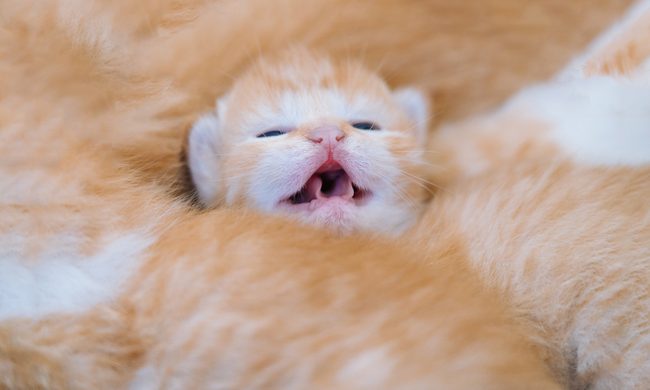
Hearing a yowling cat in the middle of the night can be an unsettling experience. Your cat might wake you out of a sound sleep with a shrieking or loud vocalization that you’ve never heard before, sending you leaping out of bed to see what in the world is wrong. Chances are you find that nothing appears to be wrong, but if your cat’s yowling behavior continues, it can be understandably frustrating and could cause you to lose out on some sleep, too. While yowling can be unsettling for you to hear, there are several causes behind this behavior, and there are multiple ways you can get your cat to stop yowling.

Why is my cat yowling at night?
According to Animal Care Center, it’s normal for cats to communicate with their humans and with each other by vocalizing. When you’re up and interacting with your cat during the day, a simple meow will usually catch your attention, so your cat relies on that type of vocalization. But cats naturally become more active at night when you’re asleep, so that quiet meow doesn’t get the reaction that they’re looking for. The result is sometimes a louder screech or yowl that’s certain to wake you up.
It’s natural to ask yourself, “Why is my cat yowling?” Cats yowl for many reasons.
Your cat wants your attention
The first may be to get your attention, and if you get out of bed to check on your cat, they’ve accomplished their goal of getting you to come visit.
Your cat feels insecure
Some cats yowl when they’re feeling insecure or threatened. They might be reacting to a recent change, like the addition of a new pet, and are letting you know that they’re unhappy. Cats may also be warning you about danger, like a feral cat standing in the yard or another person or animal who they see as a trespasser.
Your cat is in heat
Sometimes the hormones that female cats experience while they’re in heat may prompt them to make strange noises to let nearby males know that they are ready to mate. Male cats may also make these noises in response.
Your cat has medical issues
Unfortunately, physical issues can also be behind yowling. If cats are in pain, like if they have arthritis or have a stomachache, they may yowl. Older cats who are disoriented or declining cognitively may also yowl.
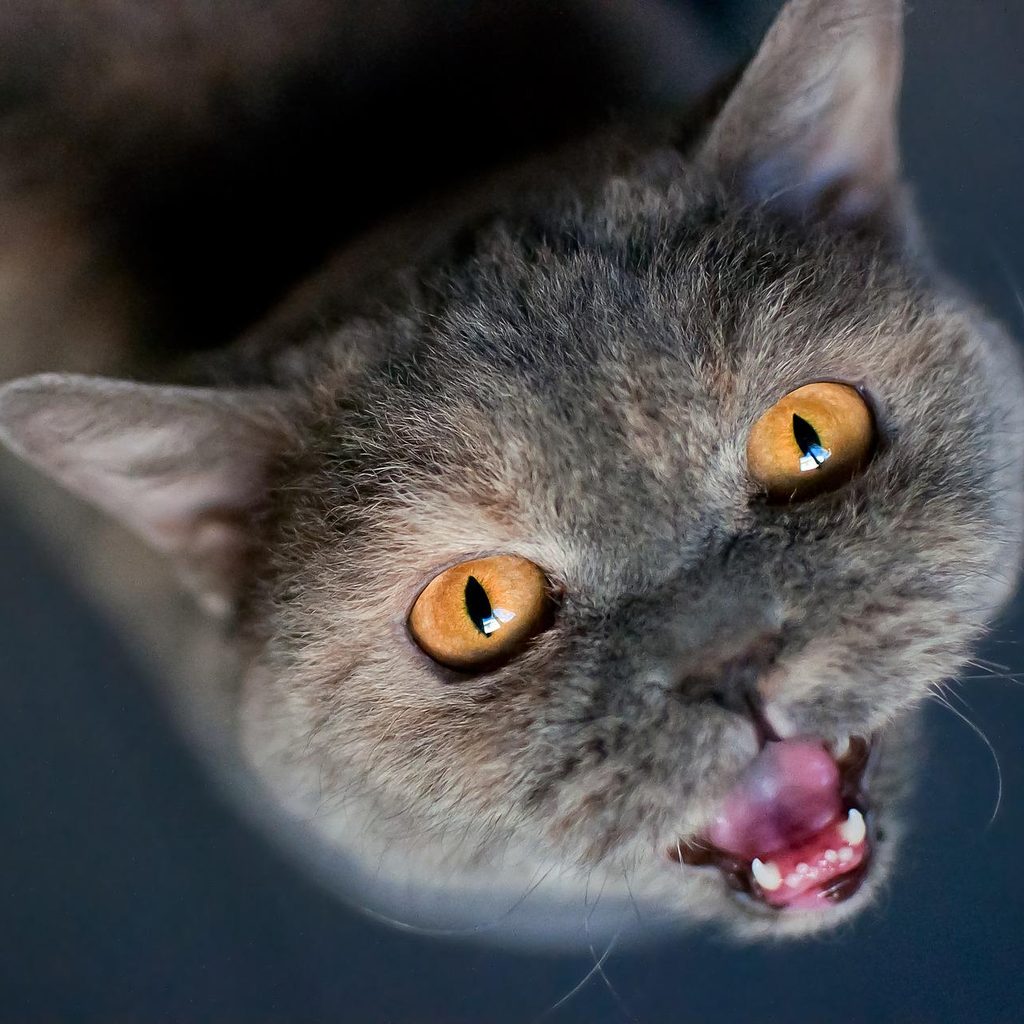
Should you ignore a yowling cat?
You may need to try different approaches to encourage your cat to stop yowling. Unless your cat’s behavior is entirely intended to get your attention, ignoring your cat probably isn’t going to work. Instead, you’ll need to identify the cause of your cat’s yowling and make some changes that can help them to better cope with whatever has upset them.
How do I stop my cat from yowling?
You can try several approaches to stop your cat’s yowling.
- Start with a trip to the vet to make sure that your cat isn’t sick or in pain. Diagnosing and treating health issues may make the yowling stop entirely.
- Next, look for ways to make your cat comfortable so there’s no reason to complain during the night. Clean the litter box before you go to bed, give your cat a warm and comfy place to sleep, play with them late at night and give them an extra snack before bed, and consider leaving a light on to help older cats see better during the night.
- If your cat is territorial or insecure, make sure that you close shades and drapes at night so they can’t see outside. Consider letting your cat sleep in your room with you for reassurance.
Putting a stop to yowling can be a bit of a trial and error process, and you may need to be willing to restructure your cat’s lifestyle a bit once you find a solution that works for them. Once your vet has eliminated any physical causes, it’s important to look for clues about what’s behind your cat’s behavior, like reviewing any major recent lifestyle changes and looking for patterns that occur when your cat yowls. Try making the above changes one at a time so you know what works best for your cat, and as hard as it can be, be patient. Your cat isn’t yowling to annoy you, but he is trying to communicate something. With careful observation, you may be able to figure out exactly what that something is.