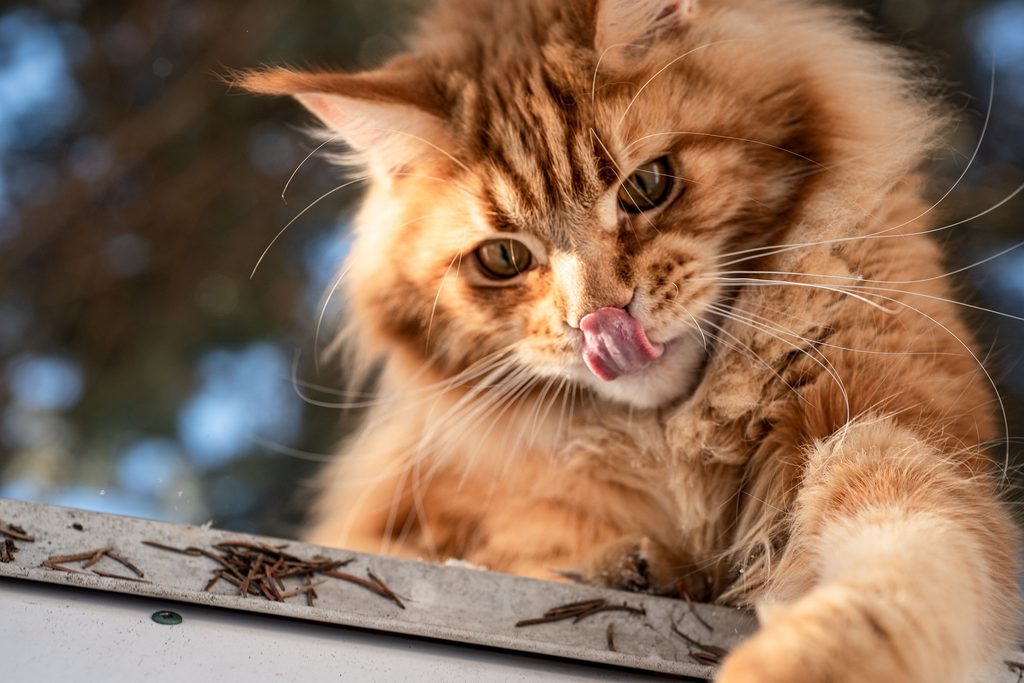
Just about any cute dog account on social includes plenty of panting pics. But cat influencers? Not so much. That might cause you to panic a little any time your lovable feline sticks out their tongue or breathes heavily, even when you don’t have to worry. Cats can pant, too, and many of the reasons pose no danger. So when should you intervene? We’ll cover the five most common sources of cat panting.
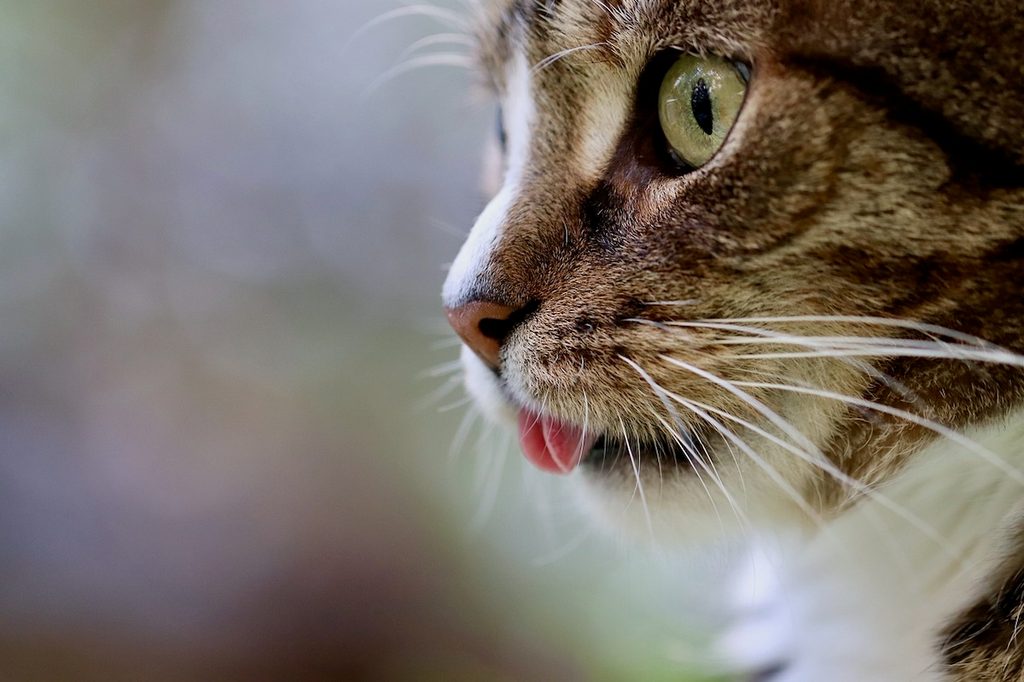
Why is my cat panting?
Some kitties never pant at all, which doesn’t indicate anything bad. It’s not necessary for a lot of cats to pant. On the other hand, certain animals are more likely to breathe heavily on occasion. As always, a sudden change in behavior should mean a trip to the vet, but you may have also just landed an animal that wishes to act like a canine.
Heat
Dogs do it. Humans do it. And yes, cats do it, too. Panting from high temps seems to pervade the animal kingdom. Much of the time, your mouser will be able to cool themselves down by lying in a cold spot until they get back to normal. Sometimes though, cats get heatstroke and need you to intervene (more on that later).
Asthma and respiratory illnesses
In the case of a cat cold, you’ll likely notice other symptoms that go along with the panting, like sneezing and coughing. A stuffy kitty could pant to get oxygen to their body. Many illnesses work themselves out, but they might need medicine to help it along. You’ll also want to check for asthma, which affects many cats. Your vet will help with the right treatment to manage the condition.
Obstructions
Assuming the foreign object is lodged in their upper digestive tract, you can often find a way to take care of this on your own. Don’t ever pull anything out of your cat’s throat, though, if they aren’t able to remove it with a few coughs. Assuming your animal can breathe well enough, take them to the vet or emergency where a doctor can safely remove the obstruction, sometimes after x-rays to diagnose.
Heart problems
Heart problems often lead to breathing problems. An older cat or one with a previous condition like congestive heart failure might develop some tricky issues. Heartworm can cause some coughing or panting as well, but it’s completely treatable when caught early on. Your vet will routinely test your pet for this parasite and you should administer preventative as prescribed.
Pain
If you’ve ever stubbed your toe and then found yourself trying to breathe through the pain, you’ll get why your cat might do this, too. Sadly, this reason nearly always necessitates an immediate trip to the vet or pet ER. The only exception is if you discover a minor injury that explains it and can fix it at home; for example, a thorn in their paw that’s easy to remove.

How do you cool down a panting cat?
When a cat overheats, you’ll need to take quick action. Truly, you should probably take them to the vet no matter what, but if you have just a slightly warm cat, try these tricks first. The most important part is to get them out of the circumstances that are making them too warm. So find an air-conditioned room and bring them there. If AC isn’t an option, try a fan, though your kitty might not want to stand directly in its path.
Turn down the lights and bring in their water dish. Then wipe your cat with water or spray some gently on their fur to further reduce body temperature. Don’t do anything too drastic, such as putting them outside in the winter or in a walk-in freezer. You want to slowly but surely get them stable.
When should I worry about my cat panting?
Any one of these could be cause for concern, so it’s best to ask your vet about it, if panting is a new behavior for your pet. Your cat doctor may do a physical exam, blood work, and x-rays to get to the bottom of the issue. In the case of an overheated pet, they might need fluids or other treatment. However, if you adopt a cat that pants frequently, get it looked at during her annual, but then don’t worry about it too much.
Some cats just pant and it might be nothing to worry about. On the flip side, obese and elderly cats, as well as those with known heart conditions or breathing problems, will be more likely to pant. No matter the situation, take note of the behaviors and call your kitty doctor for a check-up or an emergency vet visit if it gets worse