
Choosing the perfect breed of dog for your family is nearly as hard as choosing to get a pet in the first place. When weighing the options, the health of the animal and its pedigree should enter into your decision. You want your new furry friend to stick around for a good long time!
While one of the most lovable breeds out there, Bernese mountain dogs also have one of the shortest life spans of only about 8 to 10 years. These gentle giants come with a few issues that can be managed with proper care and a little bit of genetic testing. Here are five of the most common Bernese mountain dog health issues.
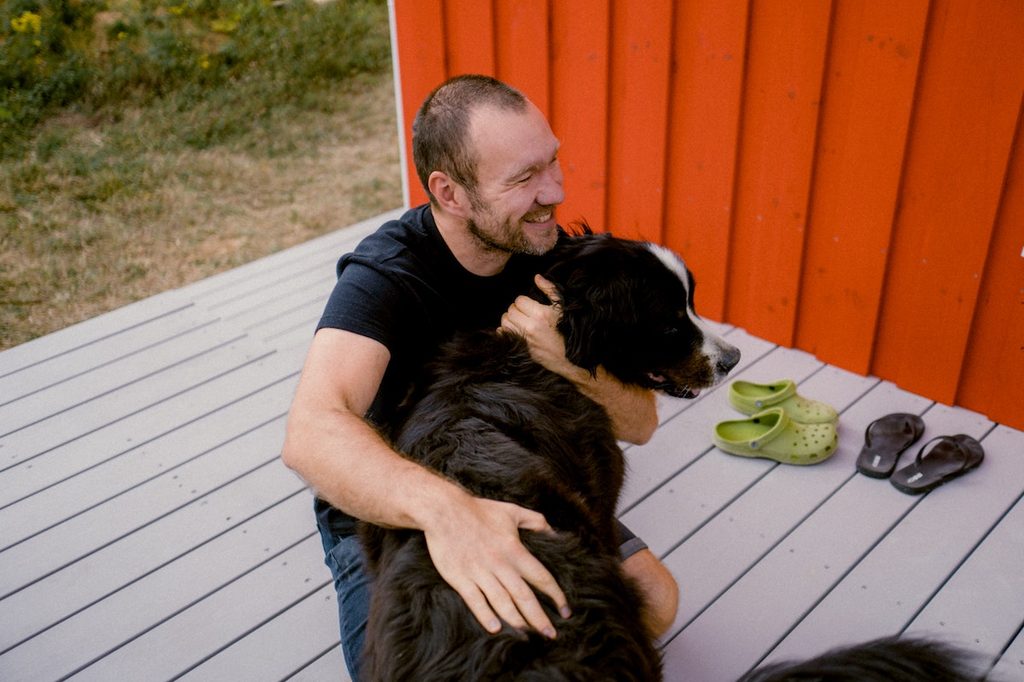
Hip and elbow dysplasia
These dreaded conditions are particularly prevalent in large breeds like Berners and can contribute to stark reductions in the quality of life for pups. The good news is that there are a number of breeding programs that attempt to correct for both with careful study to pick the perfect pups for continuing the line.
On the flip side, if your dog develops either of these health issues, you can only manage them as there’s no cure. You’ll have to decide with your vet on which approach to take, either attempting a replacement or just using pain meds and other therapies to keep your best friend to be comfortable. New medicines and therapies, such as CBD, laser therapy, and acupuncture, come out all the time to help with symptoms.
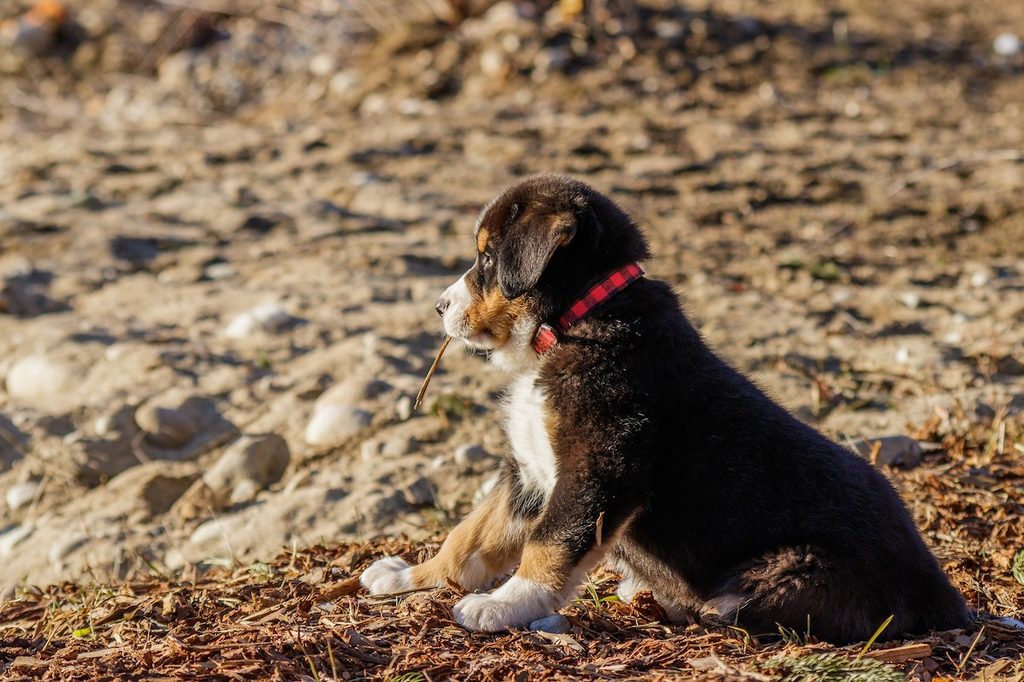
Progressive retinal atrophy
It’s only recently that PRA has cropped up in Bernese mountain dogs. You can get a genetic test for most forms and should inquire about this when choosing a breeder. That will give you at least the knowledge that your future pet doesn’t carry the genes responsible. However, you also need to continue to get their eyes checked and look for signs of loss of vision, such as not noticing things in front of them or not recognizing you from a close distance.
Don’t ever forget: You care more about whether your dog can see than he does. This creature was designed to use their ears and nose — they can thrive even with no sight at all. So if the worst happens, your pet will still live a very happy life.
Cancer
Dogs get cancer at about the same rate as humans, but this breed is particularly prone to lymphoma. This cancer affects the white blood cells and can show up just about anywhere in the body. However, it responds very well to chemotherapy and can often be cured.
But histiocytosis, another form of cancer, also attacks these beasties at a high rate and this one is not curable. It is heritable though, and hopefully, we will soon be able to successfully breed it out (or at least lessen the prevalence). Of course, Bernese mountain dogs can get just about any other cancer as well, and you should follow standard screening with your vet.
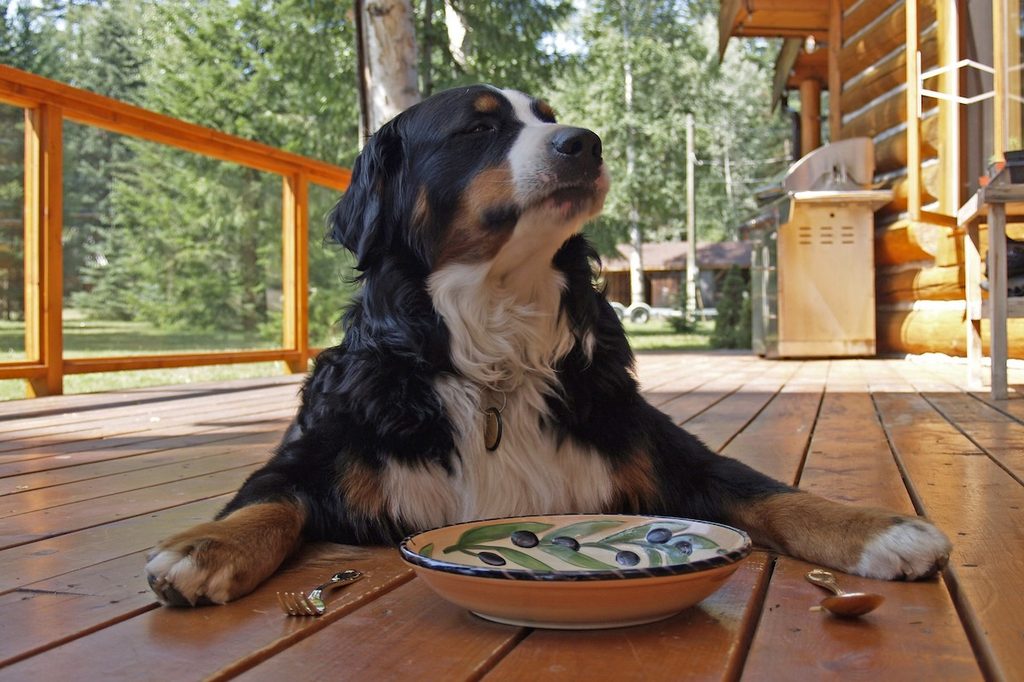
Gastric torsion
Also known as bloat, we aren’t talking about your dog having a particularly big belly after raiding the trash and eating something they shouldn’t have. In the case of this condition, the stomach actually twists because of excessive gas and it can be a life-threatening issue.
Certain foods can make it more likely and you don’t want your pooch to eat too quickly or too much at once. Limit them to smaller meals more times per day. You might notice bloat just by looking at your pet, but other symptoms include drooling, heaving, and difficulty breathing. You’ll need to call a vet as soon as you spot these signs and take your dog in for treatment, which might include surgery. If caught early, they’ll likely recover, but the condition can be deadly.
Allergies
Allergies in this breed take the form both of food sensitivities and also skin allergies. You can suspect skin problems if you see excessive itching and sometimes also runny eyes or nose. If food allergies persist, discuss with your vet the possibility of prescription food, but beware of introducing a diet issue that could increase the risk of bloat.
For other allergies, you can potentially provide over-the-counter medications if they rise to that severity. Be on the lookout for signs of distress and act quickly if you discover vomiting without an obvious cause, as this might be a sign the allergy has become gastric torsion and needs medical attention.
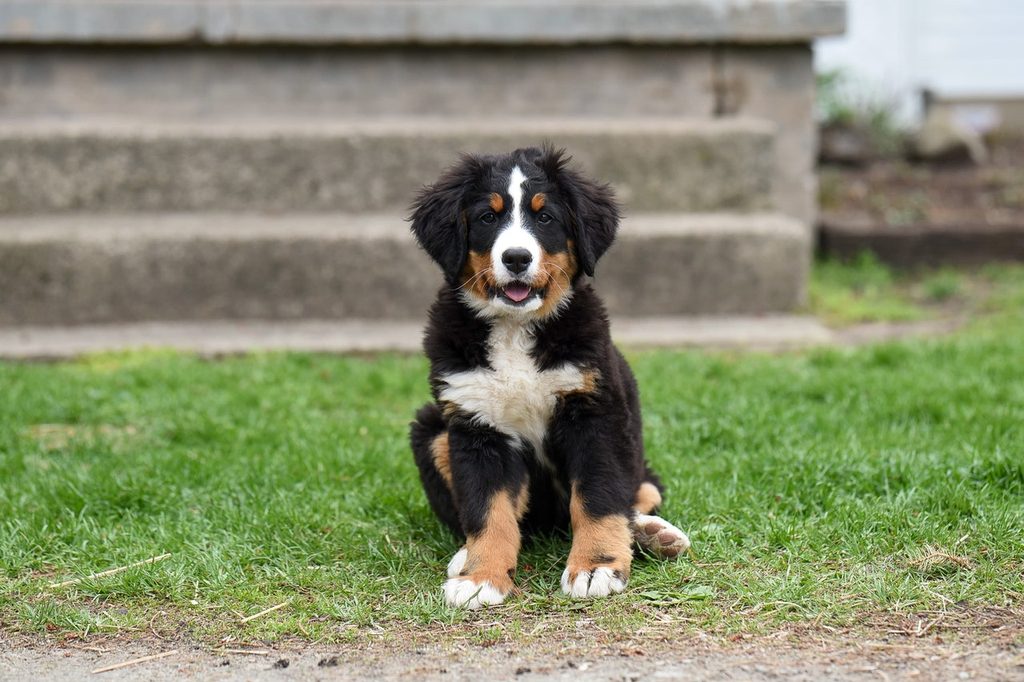
We don’t say any of this to discourage you from getting lovable Bernese mountain dogs, as they can be absolutely wonderful pets — they’re affectionate, beautiful, and devoted. The most important thing is to do careful research and discuss genetic testing with your breeder. You can ask about dysplasia and PRA when you’re looking around and find out if it has run in the family of your chosen mom and dad dogs. Then you should take your buddy in for regular checkups and include bloodwork and genetic testing as needed. Lastly, never underestimate the importance of a good diet and plenty of regular exercise to stave off any other issues and keep him in the best shape for the longest amount of time possible.