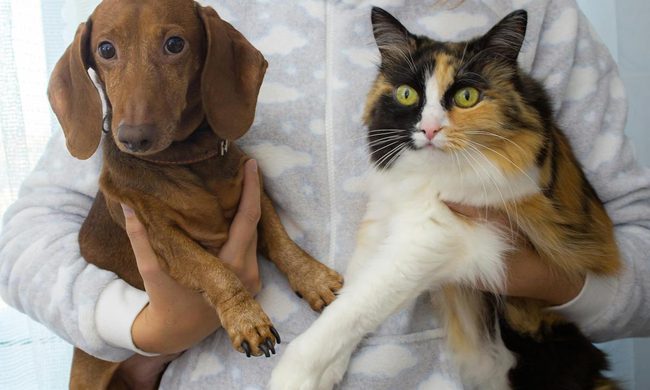
As difficult as it can be to be away from your pet, separation anxiety in dogs can make it even trickier. Between your pup’s inappropriate, destructive behavior and his clear distress, it’s completely understandable why you may dread leaving the house. Fortunately, you can learn how to ease separation anxiety in pets by keeping an eye on their demeanor and doing some research of your own.
It’s important to remember that nothing will change overnight. Anxiety is a fear-based psychological issue that should be attended to with as much patience and understanding as possible. Taking a gentle approach will help your dog stay confident and trusting throughout this journey with you. Don’t know where to start? Here are some ideas for dog separation anxiety help.
Rule out medical issues
Before focusing on fixing separation anxiety with your pup, make sure that anxiety is what you’re working with. There are some medical problems that can manifest in anxiety and destructive behaviors for your dog, including neurological concerns, aging, urinary tract infections, or even the use of medications (via ASPCA).
For this tip, it’s ideal to consult a veterinarian. If house soiling and other behavior problems are not the result of separation anxiety, they’re more likely to occur both while you’re home and while you’re away.
Maintain a consistent routine
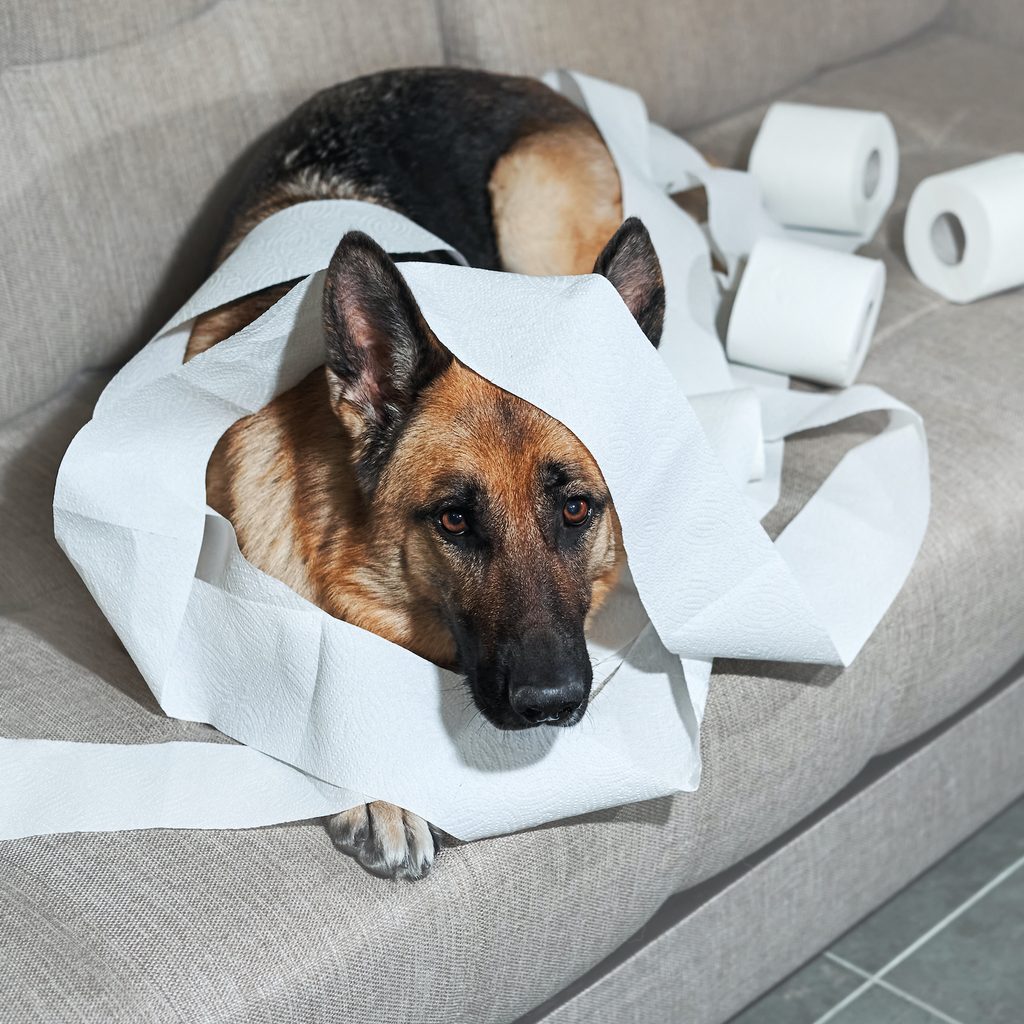
Something as small as a change in routine can be significant enough to cause huge behavioral issues. Think about it: If you worked from home for the entirety of your dog’s life with you, then suddenly started going to the office all day, your best furry friend will quite likely be confused or even nervous. In some cases, he may develop separation anxiety in response to the abrupt, scary changes, especially if he’s not used to being left to his own devices.
Whether you work from home or not, establishing a consistent routine will help your dog feel secure while you’re away. Habit will remind him that you always come home, so he can start to expect that reassurance again.
Provide more mental stimulation
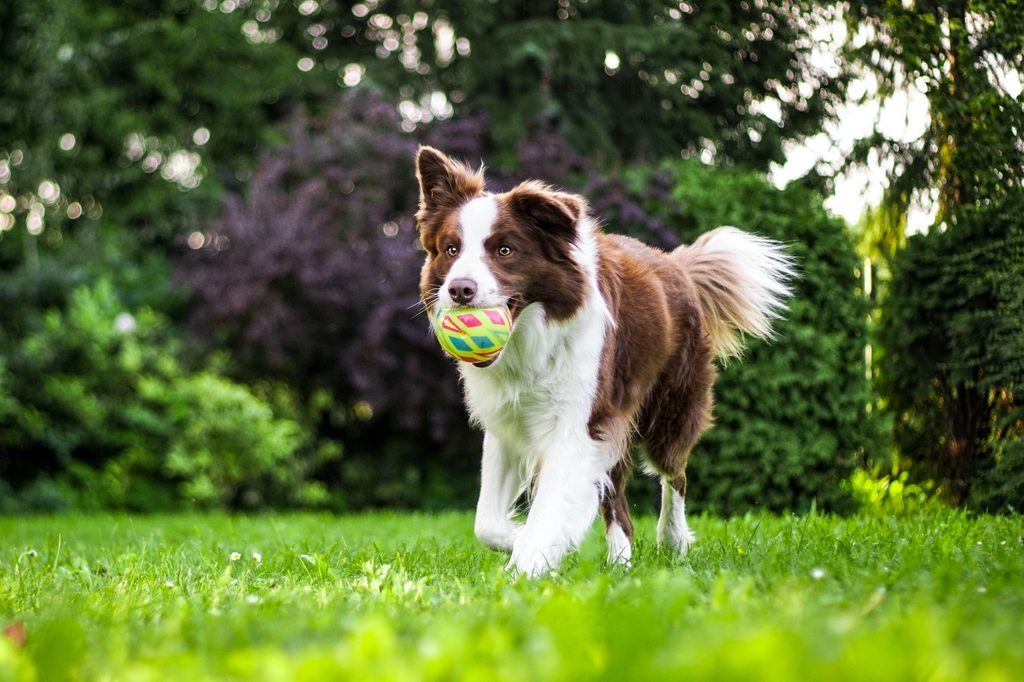
In milder cases of separation anxiety, some fun mental stimulation may be all your pup needs to feel distracted and relaxed. Giving him a puzzle toy or long-lasting treat can be a great distraction for when you’re gone, while training or agility drills will help tire out his body and brain. Plus, you’ll get to bond with your pet while you work off that excess energy!
In some — more serious — cases, dogs who are anxious won’t be able to get their minds off their worry, even for a treat. That’s when some of these other, more involved methods may come in handy.
Counterconditioning
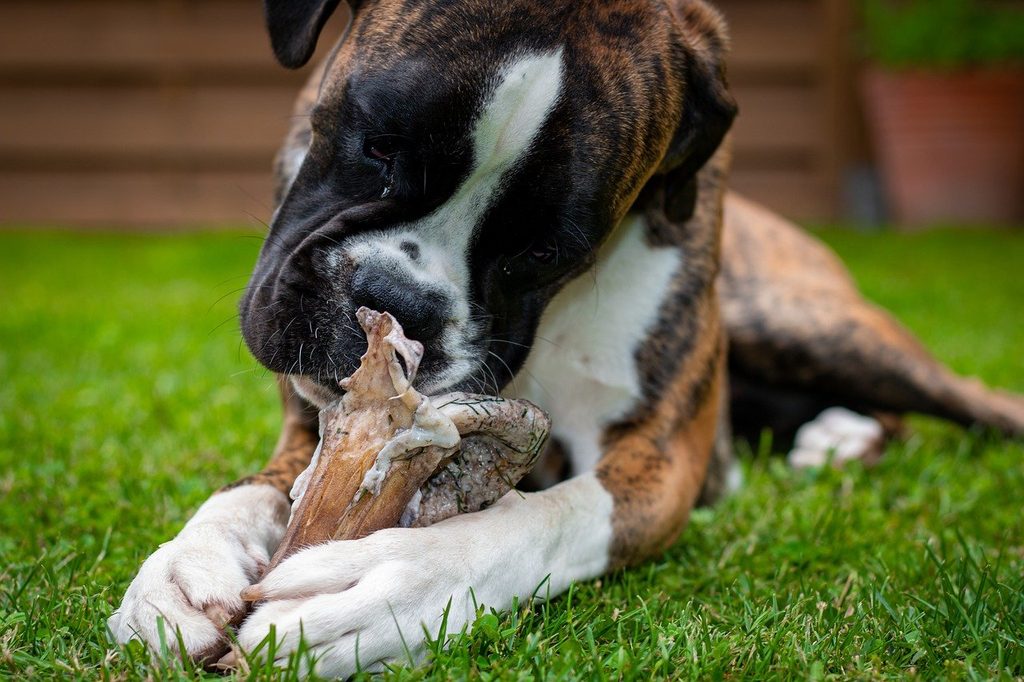
As described by ASPCA, “Counterconditioning is a treatment process that changes an animal’s fearful, anxious, or aggressive reaction to a pleasant, relaxed one instead.” Essentially, the dog learns to appreciate rather than fear the thing that makes them nervous — separation, in this case. It can be as simple as offering your pup a special treat or toy that’s available only when you’re gone, though dogs who are severely anxious will be too distracted and nervous to eat.
Introduce a safe space
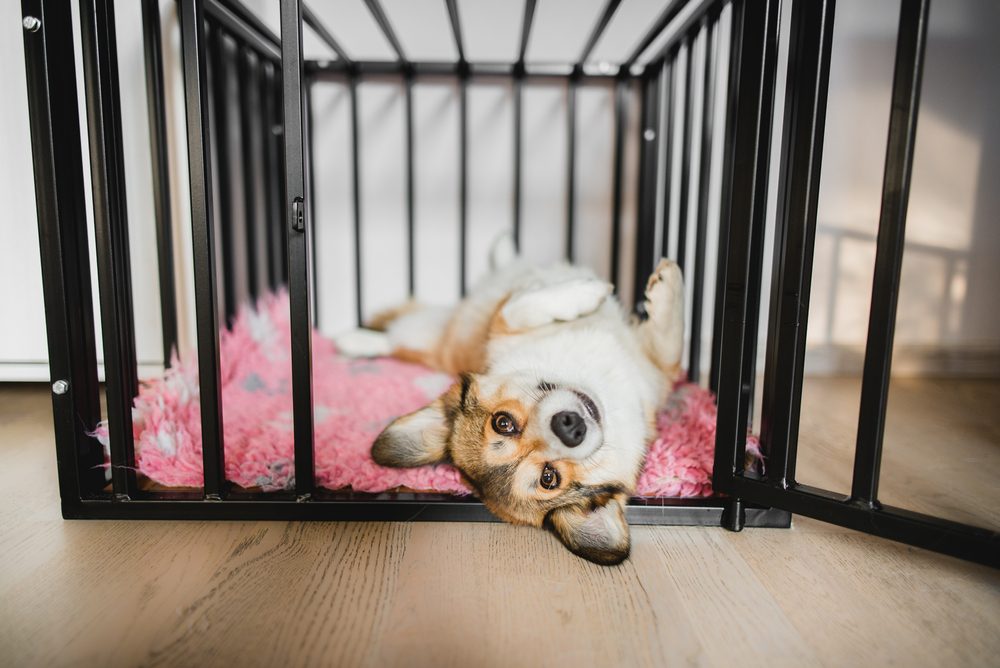
Whether you utilize this strategy for safety or for your dog’s comfort is entirely up to you, but many pups will feel instinctually more secure being alone in a smaller, enclosed space (via Humane Society of the U.S.). Keeping your dog in one room of the house with food, water, a place to rest, and some favorite toys can go a long way in building up his comfort and confidence. Remember, the idea is to help your dog feel in control, not completely isolated.
In this case, a crate may be too small. While many dogs take comfort in going to their crate on their own terms, using a crate when you leave may unknowingly help your fur baby make a negative connection. A crate should be a happy place for your dog, after all.
Desensitization
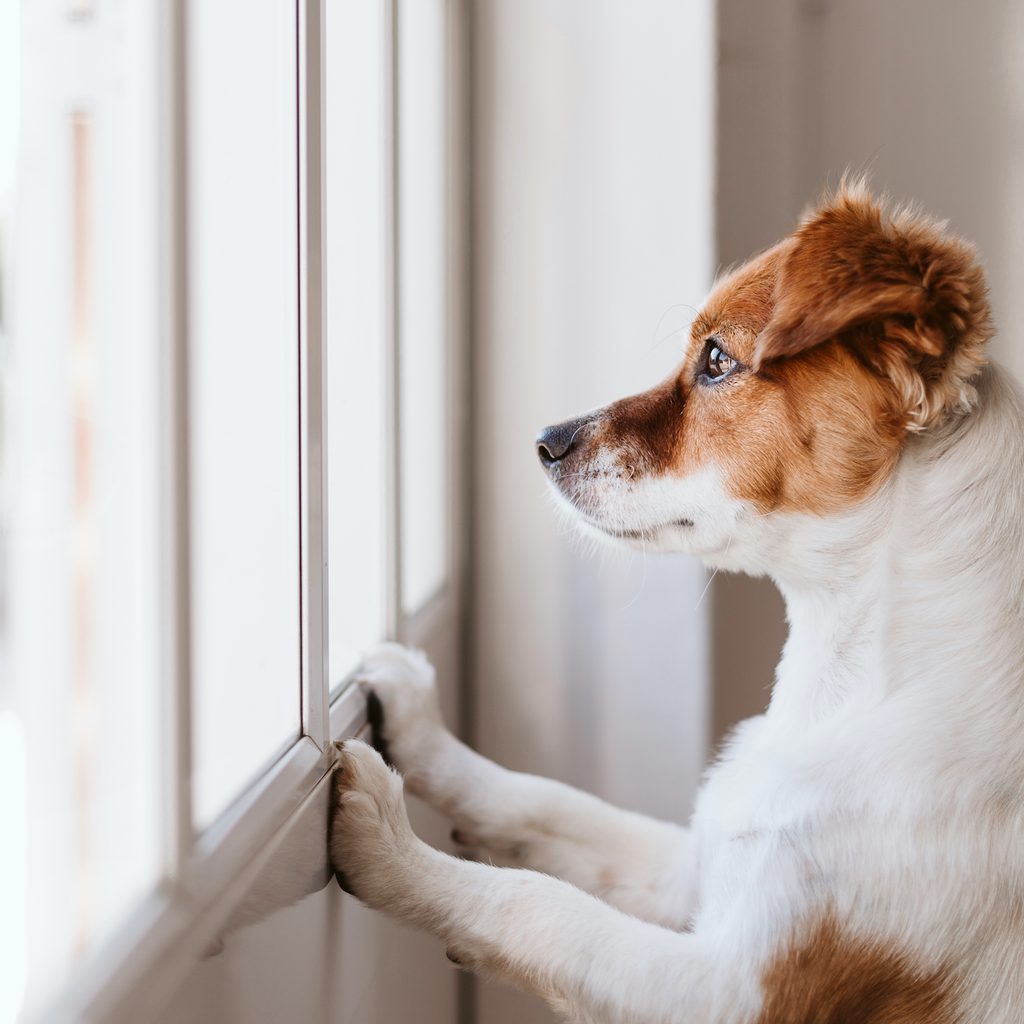
In more severe cases of separation anxiety, controlled desensitization with the help of a canine behavioral expert may be needed. You can try this strategy on your own, but partnering with a professional will ensure that your dog does not become more stressed by this process, thus making it ineffective.
The trainer will help you evaluate the way you approach departures from your dog. You should be calm and nonchalant when you leave the house to help teach your dog that departures are no big deal — you’ll be home again! You can start this process by leaving your dog alone for small increments of time (not long enough for him to be afraid).
You may introduce safety cues around your home — smells, sounds, or objects that help your dog feel secure. Some pet parents like to leave the TV or background music on while they’re gone, while others give their dogs some worn clothes to keep a familiar scent around.
Do dogs grow out of separation anxiety?
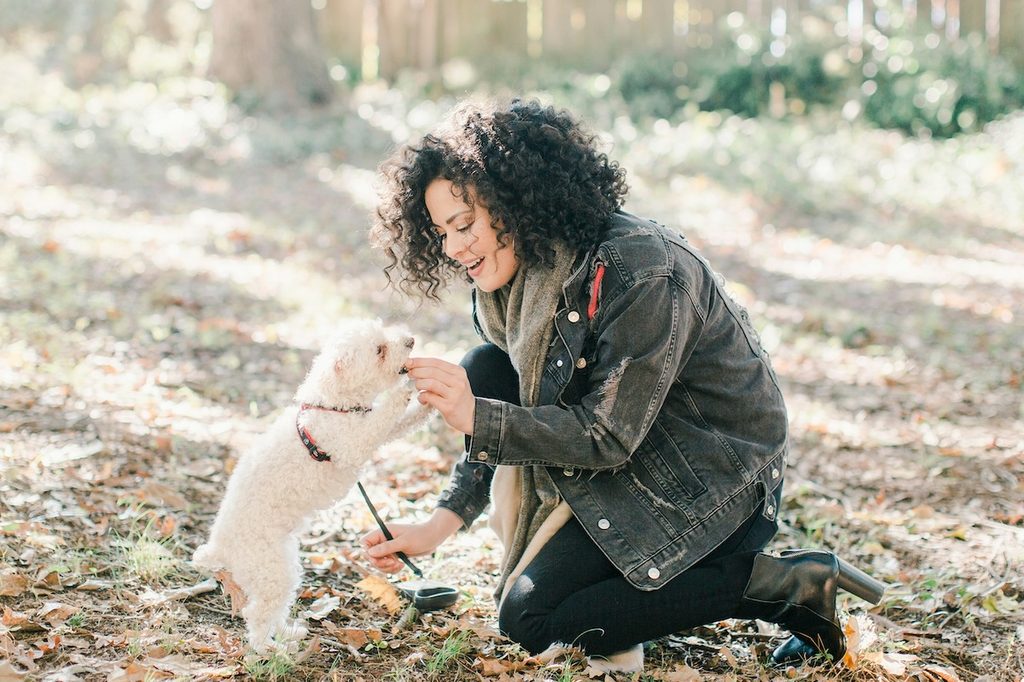
Puppies may have even more separation anxiety than adults but the good news is it can improve with age. This is especially true for very young buds and after you have adopted a new animal. It takes everyone time to get used to the new arrangement. However, even if you see or expect him to start adjusting, you should still work with him carefully.
If you prevent real separation anxiety from developing, you’ll have it much easier when trying to train him to be away from you. In adult dogs, this behavior rarely goes away on its own and requires human intervention.
Wherever you and your dog are on this journey, separation anxiety is no joke. It can affect you both in deep, emotional ways, just as overcoming it can be the most healing, helpful process. Be kind to yourself and your furry friend as you take these first steps — and remember, you got this!