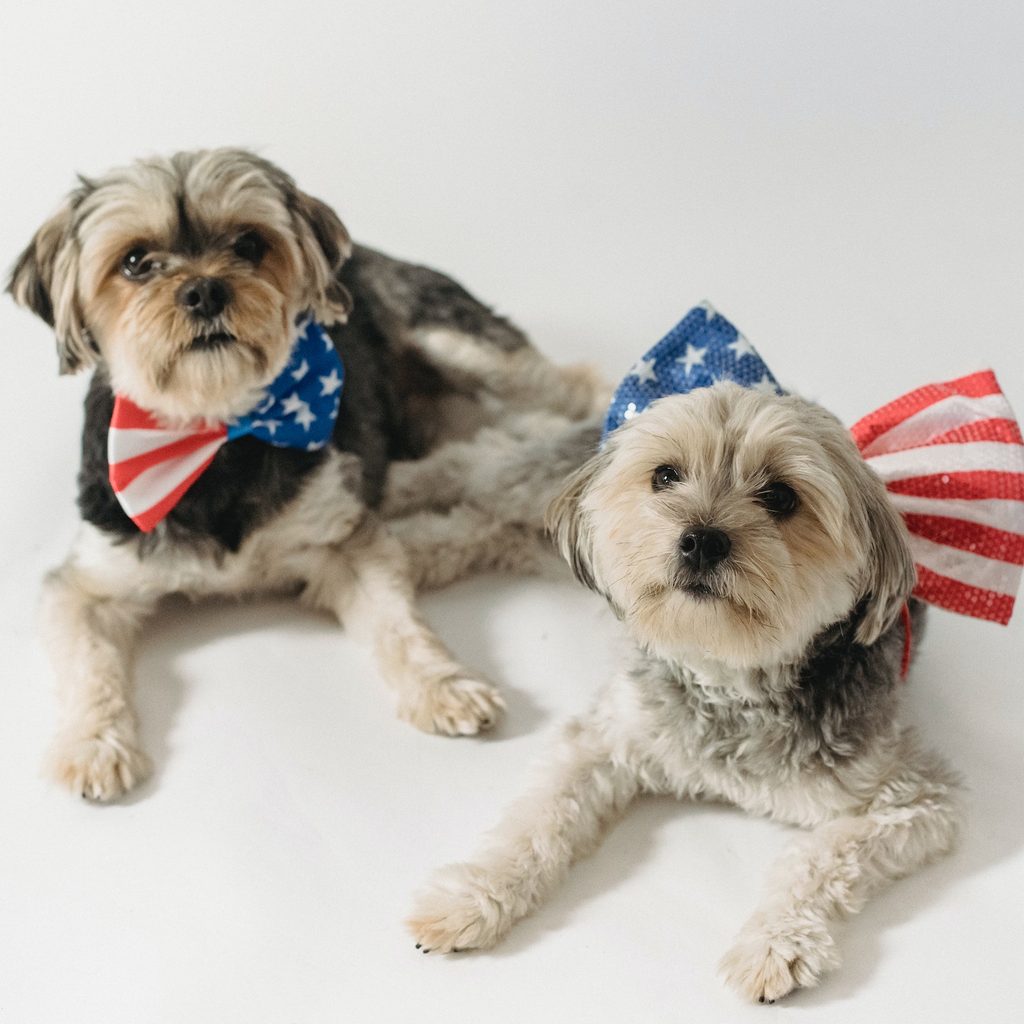
As exciting as the dazzling colors of 4th of July fireworks can be for us humans, our pups don’t exactly share the sentiment. Of course, many dogs don’t mind the noise and lights, but many also panic when they hear explosions — even small ones.
While there’s no single surefire way to keep your dog calm during fireworks on the 4th of July, there are countless ideas to help ease anxieties for dogs scared of fireworks. From techniques to products, these anxiety tips for dogs are worth a shot, at least. Your pup is bound to find something that comforts him, and you never know what exactly it’ll be. Here are some helpful tips to help keep your dog calm during fireworks.
Is your dog scared of fireworks? Keep them inside!
Having your furry friend by your side during holidays and special moments is always special, but your dog might prefer to sit this one out. Bringing a dog that’s scared of fireworks closer to their trigger is not likely to go well. Even if nothing dangerous happens, this intense encounter will only reinforce your dog’s fear. If you’re watching on TV, however, you’ll surely have a buddy sitting next to you on the sofa.
Keeping dogs indoors during the Fourth of July is also a major safety consideration. Many pets go missing while they’re panicking about the fireworks, and bringing your buddy inside can reduce the odds of this happening to you.

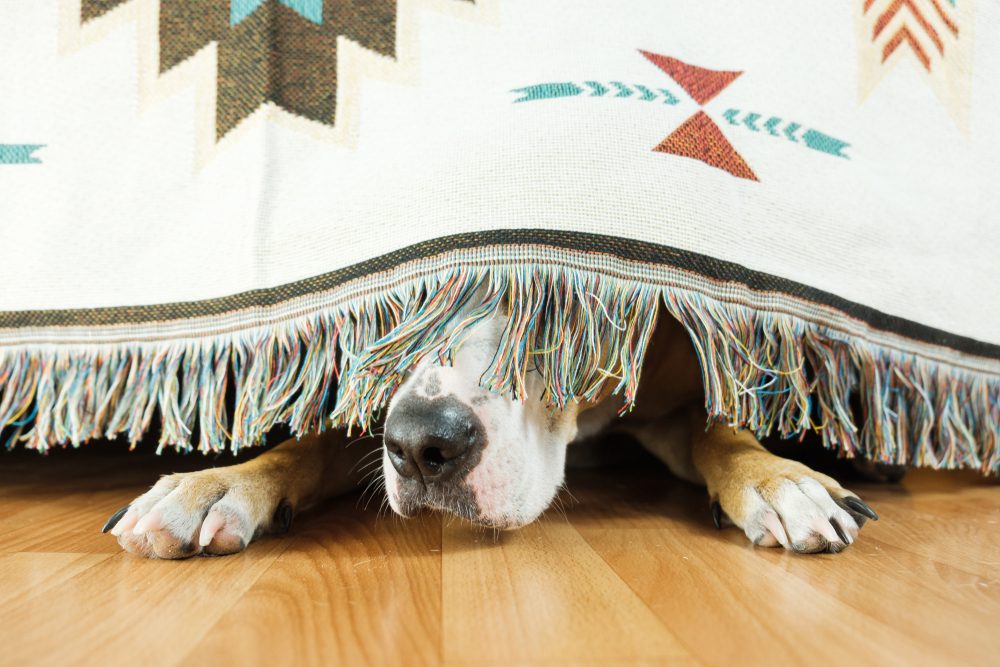
Give your pup a safe place to chill while fireworks go off
Dogs that are den animals often feel safe in a familiar, enclosed space like in a crate or under a table. They may gravitate toward these places naturally, or you may have to encourage them to make themselves at home by creating a comfy space that’s all their own.
Make sure your pet’s special space is quiet and out of the way of any hustle and bustle of the house. Try putting down one of their favorite blankets, or even something of yours that they can snuggle with for comfort. A treat-releasing toy can be an awesome distraction, too, but don’t be tough on your pup if they’re feeling too stressed to play.
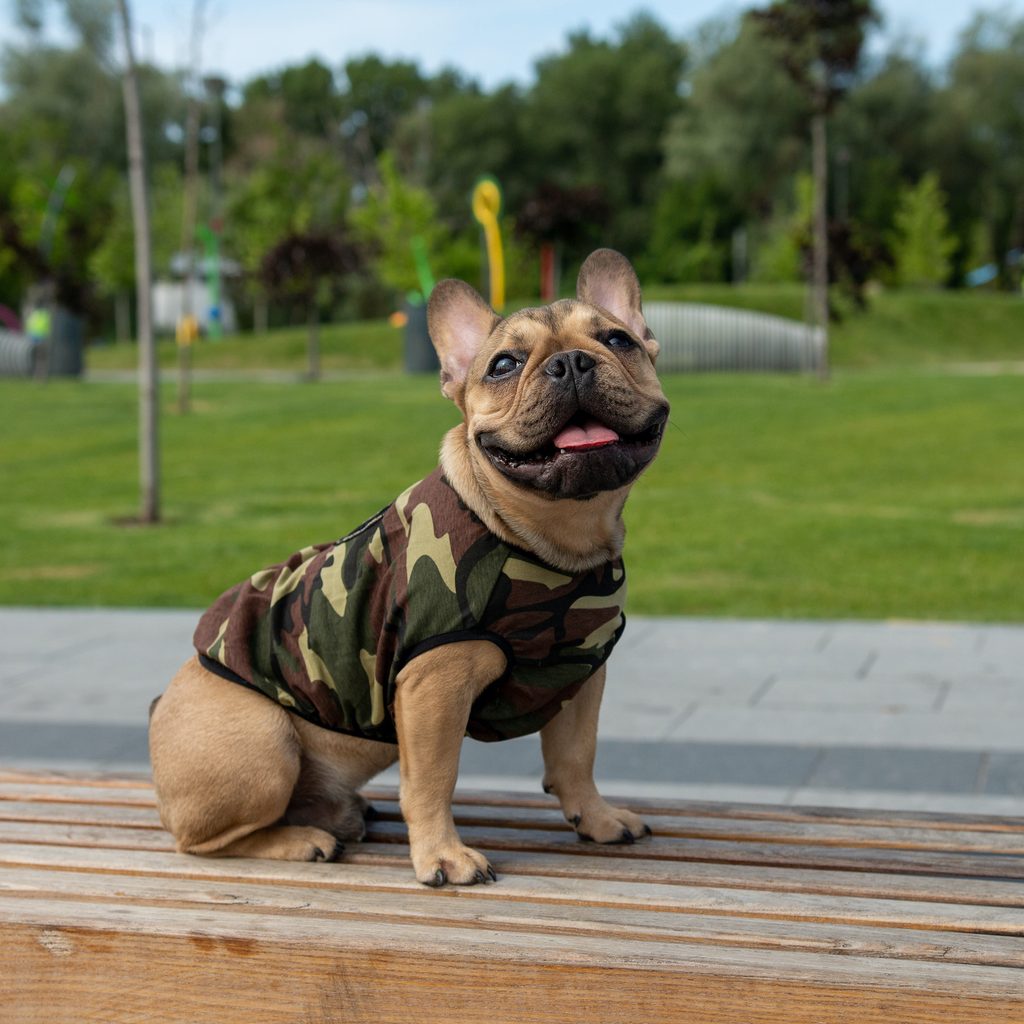
Try an anti-anxiety shirt for dogs that don’t mind wearing them
You may have seen it on TV, but have you seen it work? The ThunderShirt uses gentle compression to “hug” your dog into a sense of comfort whether they’re feeling fearful or overexcited, though it’s not tight enough to harm them in any way. Its breathable, lightweight fabric won’t weigh down your pup, so they can jump and play to their heart’s content. They’ll most likely prefer to nap when they have their ThunderShirt on!
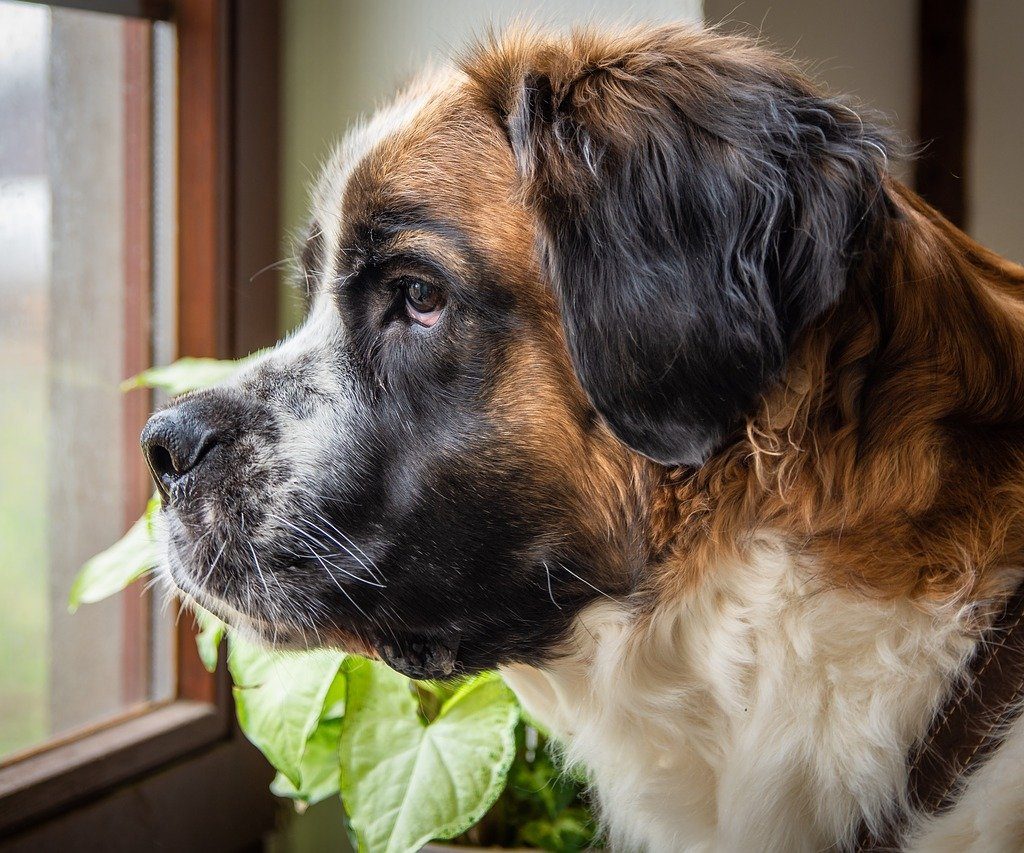
Don’t leave your dog home alone on the Fourth of July, especially if they’re scared of fireworks
Even if your dog doesn’t suffer from separation anxiety, being home alone can make fireworks extra scary. If you’re able to stay home with your dog, do it! They’ll have their favorite person there to comfort them through the loud noises and bright lights, and you’ll have the perfect date to spend the holiday with.
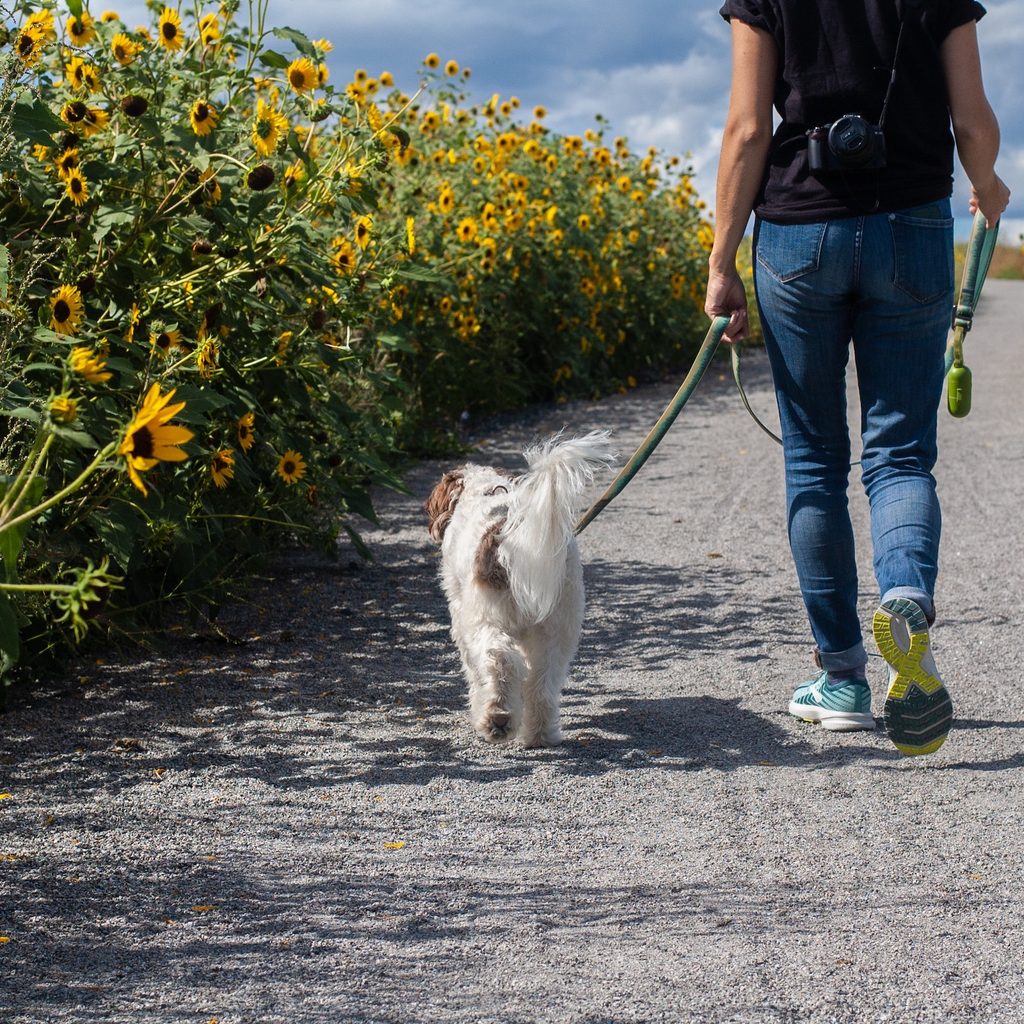
Schedule a potty break, a walk, or a workout in the late afternoon
Planning your dog’s schedule around fireworks can be a lot easier if you know the time of any local fireworks shows, but it’s impossible to know whether any individuals nearby will partake in the fun. To play it safe, take your dog on a long walk or trip to the dog park in the late afternoon, when it’s still too light for anyone to set off fireworks. Not only will this ensure that your buddy gets in all needed exercise and potty breaks, but it just might tire them out enough to fall asleep instead of worrying about the noise.

Play white noise, music, or television noise while fireworks go off outside
One popular stress reliever among humans might also comfort your dog: white noise. Whether you play ambient rain sounds, ocean waves, or some meditation music, it can help distract your pup from the louder, scarier sounds happening outside. Phew!
Many pups will be just fine with some TV or movie background sound, too, so this could be a prime opportunity for a movie date with your four-legged bestie.
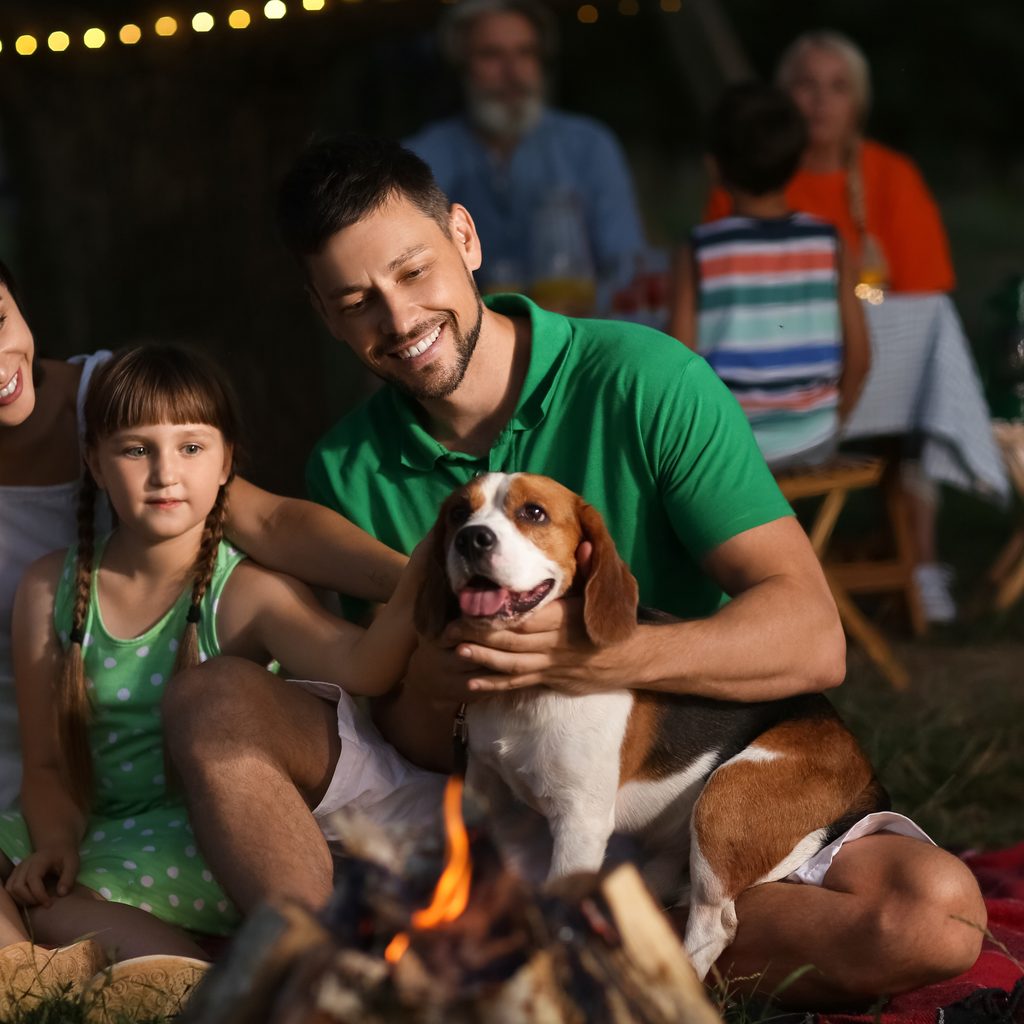
Pay attention to how you talk to your dog, especially when they’re stressed
While you’re comforting your pup on the 4th of July, be mindful of how you use your voice. Speaking in a high-pitched, fast-paced voice will likely rile up your dog instead of calming him, even if you’re saying something calming. Instead, try speaking in a normal, calm voice, as if you’re in a library. It’s okay to talk a little louder, especially when fireworks are going off around you, but be sure not to speak any louder than you normally would when giving a command, or you risk adding to your pet’s stress.

Give exposure therapy a shot can be worth it if you plan ahead
For long-term firework fears, exposure therapy may help dogs get used to the sounds they hate the most. A safe way to take this on without actually exposing your dog to fireworks is by playing the sound of fireworks on your TV or computer.
The recorded fireworks should be loud enough for them to hear the noises, but not loud enough to cause either of you stress. Don’t forget to bring the treats so your dog can associate firework sounds with something tasty rather than something stressful. After a while, try a different video or increase the volume bit by bit; before you know it, your dog won’t even care about the 4th of July fireworks.
Whether you live in an area where fireworks are popular or you’re looking forward to lighting some yourself (be safe!), helping your dog cope with their fear of fireworks is essential. Your pet is sure to feel better when someone they love is with them, though you should never force your pet to hang out around one of their biggest stressors. With some planning and patience, however, you’ll figure it out! Plenty of 4th of July plans don’t include huge fireworks displays — and they’re just as fun!