If you've never had a puppy before, you'll need to be ready for a lot of firsts. The joys of watching your animal discover the exciting things in life — pools, squeaky toys, bacon flavor — are a big part of what makes pet parenting so awesome. On the flip side, there are some things that will take work to get them used to, and trimming puppy nails is a big one.
It will take some time before both you and your fur baby feel comfortable with nail clipping, which is why it’s so important to take it one step at a time. Of course, once you learn how to cut puppy nails, your confidence will lead the way for your pup, so they’ll know there's nothing to fear.

What nail clippers should I buy?
Nail clippers meant especially for pets will let you trim your pup’s nails without worrying about injury. Although they look a bit like garden shears, these clippers are designed with two blades for a swift, straight cut — no rough edges here!
If grinding your puppy’s nails is more your style, Dremel’s 7350-PT Dog & Cat Nail Grinder Kit will have everything you need to get started. Grinding puppy nails can give you more accuracy and control, so you don’t risk cutting too close to the quick — the pink tissue in the center of the dog’s nails that contains all the nerve endings in the digit. Grinding is also a great option for filing sharp nails when you don’t want to give them a full trim.

How to introduce your puppy to the nail trimmer
Before you even get started cutting your dogs nails, you need to get them used to the tools. The American Kennel Club has a seven-day plan to help introduce your dog to their nail tool, though feel free to work at a pace that you and your pup both feel comfortable with.
Step 1: Handle your puppy’s paws regularly.
If you can get your puppy used to having their paws touched and handled, nail trimming will be much less of an issue later on. Even if they're too young yet to need a trim, spend some time focused on their paws specifically, whether you give them a little massage or play with their tiny toe beans (aka paw pads). This will help your dog stay relaxed when it’s time to trim their nails for real, or even when it’s time to introduce the grinding or clipping tool.
Step 2: Let your pet sniff the clippers.
Once your little pooch is comfortable having their paws touched and loved on, they're ready to meet the clippers. Puppies are very interested in the world around them so you probably just have to hold out your chosen trimmer and they'll investigate.
Step 3: Reward their interest.
Every step of the way, you need to give them a treat and a pat. Use low-calorie training treats and feed them one each time you bring out the nail clippers so they look forward to this intriguing device.
Step 4: Touch it to their paws, but don't clip (yet).
Spend a few days getting your pup used to having the clippers touch their paws but don’t trim just yet. If you’re working with an electric grinder, wait a day or so to turn it on, then let your dog get accustomed to the sound and vibration. The idea in each of these steps is to get your puppy comfortable enough not to pull their paws away when being handled.

How to trim dog nails
Step 1: Gather your tools.
Remember the wrong tools can injure your pup or even yourself, and most pet nail tools won’t make a huge dent in your wallet anyway. So it's no stretch to get the right ones. On top of your nail clippers of choice, you probably need styptic powder . If you accidentally cut too close to the quick, or if your dog moves during trimming, this will stop any bleeding before it becomes an issue.
Step 2: Find the quick.
The nail quick is where your dog’s nerve endings and flesh meet the nail portion. If your dog has light-colored nails, it’s easy to see where the quick begins as a darker portion of the nail. If your dog has dark nails, the rule of thumb is that the quick starts just below where the nail begins to curve. Your vet can help you before your first trim.
Step 3: Hold your pup steady.
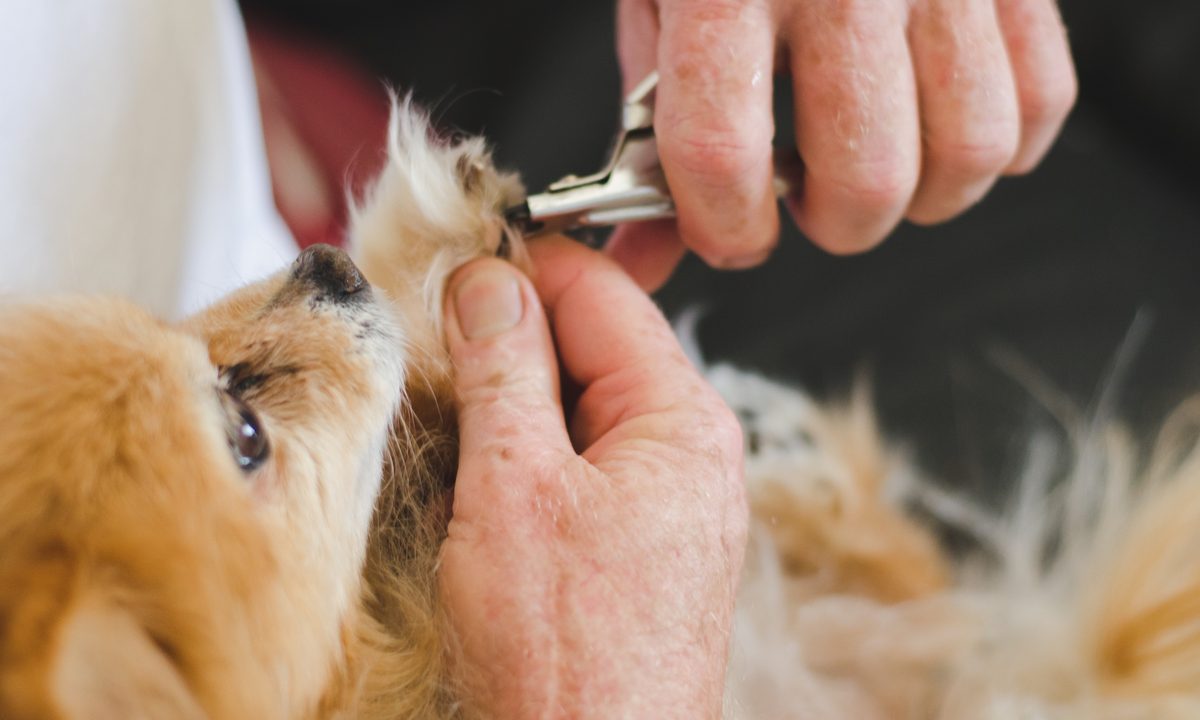
You’ll want to hold their paw in your hand, supporting the nail you’re trimming with your thumb and forefinger. A gentle squeeze will help extend their nail, though you’ll still need to be careful to keep the fur out of the way of the trimmer as well.
Step 4: Start cutting the nails.
To begin, trim or grind just the tip of one nail. Choosing a front paw is often the most comfortable for both of you, especially when you’re just beginning. As a guideline, clip just beneath where the nail curves (for pups with darker nails) or beneath the quick (the pink tissue, for dogs with lighter nails).
Step 5: Wait for another day.
If necessary, you can clip just one nail per day until they’re all trimmed or work your way up a little day by day. It may help to keep your puppy distracted with a spoonful of peanut butter if they're especially squirmy, though many pups will be content with regular treats and praise.

Some more tips for the best results
When you cut puppy nails there are a few best practices. Use these tips for best results.
- Everything starts with you. Your calm mindset can ensure that your puppy feels calm, too. Go slow and try to avoid getting upset.
- Stick with the positive. You should ignore negative behaviors and give your puppy only praise to reinforce the good things.
- Start as soon as possible. The younger your dog is, the more likely they will accept nail trimming long term.
- Take your time. Your dog will need to learn good habits, and it’s essential that you take the time to reinforce these. This is the time for patience and consistency.
Just like any puppy milestone, trimming their nails for the first time probably won’t be perfect. With lots of love and some time to adjust, though, even the timidest of pups will get used to having their nails filed, ground, or trimmed. You can follow these steps, but talk to your vet if you still have difficulty. They’re a professional, after all!