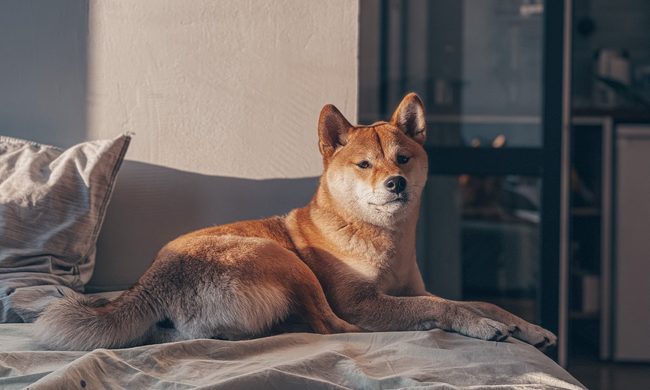
As fun as snow days and sledding can be, winter also comes with a lot of chilly downsides. Our furry friends may not have to brave the brisk weather to get to work every morning, but with the year’s first snowstorms rolling in, you’ll need to help them prepare for the cold, too.
Winter clothes for dogs are just one way to keep your buddy nice and toasty, but we asked canine and veterinary experts about their favorite ways to help fur babies stay warm. Remember, every pup will have their individual needs, so you’ll want to consider your pal’s coat type, body size, and amount of time spent outdoors while you shop for the best winter weather gear for dogs.

Keeping your dog warm indoors is often overlooked, but it’s just as important in the wintertime
Even though many dogs will be comfortable indoors, that won’t be the case for every pup. R+ Dogs head behavior consultant, Renee Rhoades, explains that “for short-haired breeds, [winter] can be a great time to invest in some comfortable dog pajamas or sweaters to keep your dog warm inside.” Of course, clothes aren’t the only way to help a canine warm up throughout the winter months.
Blankets are an underrated luxury for a cozy night in — whether you’re a person or a pup!
Whether you’re a serial blanket hoarder or simply a person who enjoys comfort, your dog understands. More likely than not, they’ll be glad to join you somewhere cozy for a nap. In fact, Rhoades highly recommends giving your dog a blanket to cuddle up with when it gets cold.
“Dogs like to burrow,” she said, “so providing fluffy, warm blankets that your dog can snuggle into” can be a cold-weather luxury. You may even want to get your furry friend a blanket or two of their very own!
As you can imagine, your dog isn’t the only animal in need of some warm bedding this time of year. Thomas Bohne, founder of the pit bull advocacy Kennel to Couch, urges pet parents to think of shelters’ needs, too.
“In dog shelters, which are often made of concrete floors and walls, temperature control is a challenge. Many shelters ask for donations of towels or fleece blankets to give dogs a soft, warm item to nest with. Like coats, cotton products like fleeces or terry work well because they’re machine washable.”
Your dog’s bed can make a huge difference this winter
As comfortable as a blanket may be, Leigh Siegfried, CEO and founder of Opportunity Barks Dog Training, prefers high-quality dog beds for any pup who’s struggling with aches and pains in the winter.
“An orthopedic foam bed is great on the joints of dogs that appreciate a dog bed,” she explained, “And for long-haired dogs, a raised bed may be comfy to keep things cool year round.” Temperature regulation is key, after all. Dogs with longer fur or double-layered coats might enjoy warming up to some degree, but they won’t need nearly as much thermal protection as their small, short-haired counterparts.
For those smaller, shorter puppers, veterinary and dog training expert Karishma Warr, CCPDT-KA, MA, FFCP, CSAT recommends offering them a little extra heat. “A dog-safe heating pad is a fan favorite in lots of homes in the winter as well. Dogs get cold too,” she said.
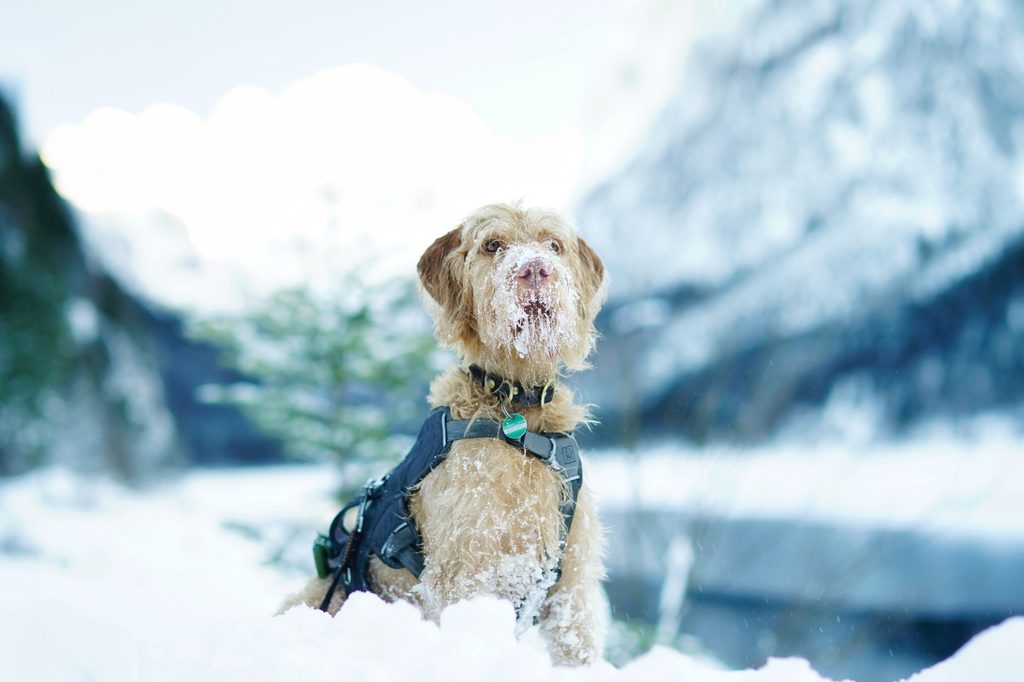
Keep your dog’s paws protected from the cold with boots, socks, or even paw wax
Even winter can’t stop walkies! Dogs need exercise year-round in order to stay happy and healthy, but that means you’ll need to take a few extra precautions before you head outdoors. Paw protection is just one important step in winter weather readiness, so let’s take a look at your options.
Dog boots for the snow, ice, and cold can be a great way to make sure no one’s paws get hurt, but they’re not every pup’s first choice. Luckily, Warr has a few other tricks up her sleeve.
“If your dog is not a boot wearer but could benefit from having their paws protected, look into dog socks or paw wax. Socks can be easier to get on and more comfortable and paw wax doesn’t involve any new funky footwear, just a layer of wax rubbed onto their paw pads.” Yep — that sounds a lot easier than fumbling around with dog booties!

An outdoor coat for your dog can help regulate their body temperature without restricting movement
Last but not least is your dog’s winter coat (and we don’t mean the one some pups grow themselves). Not every canine will need an extra layer of protection just to go potty outside, but every dog owner should ask themselves whether their dog should wear a coat. If you’re not completely sure of the answer — that’s OK, too.
How to know if your dog needs a coat
Ali Smith, who’s the founder of Rebarkable, agrees that the need for a coat varies from dog to dog. “For example,” she explained, “my German shepherd has no winter gear, because even in serious freezing conditions he’s absolutely fine. Yet, my coonhounds? For ice we need boots, for snow we need good winter coats, and for rain/harsh wind, a wind and waterproof layer is needed to keep them happy.”
If you do want to look for a canine winter coat, look for something with a water-resistant outer layer. Renee Rhoades also reminds pet parents, “to find [a coat] that allows your dog to move freely. If you put the coat on your dog and they do not want to move, this could be a sign they’re uncomfortable.”
Remember, there’s plenty of time to find the right cold-weather gear for dogs, so don’t hesitate to give something a try. This way, your pup will be able to join in on the outdoor activities no matter the weather! Any kind of change to a dog’s outdoor routine can take a while to get used to, but once they realize they aren’t cold anymore, they won’t mind one bit.