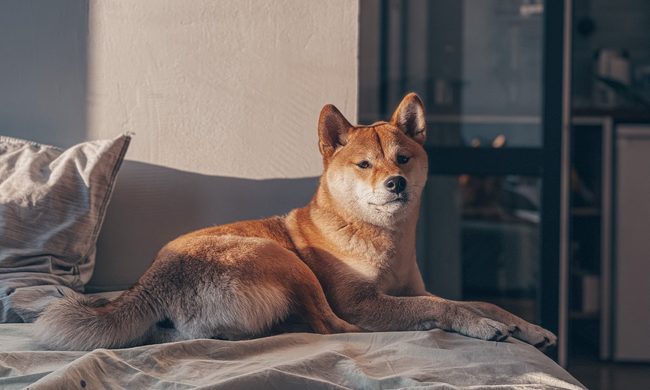
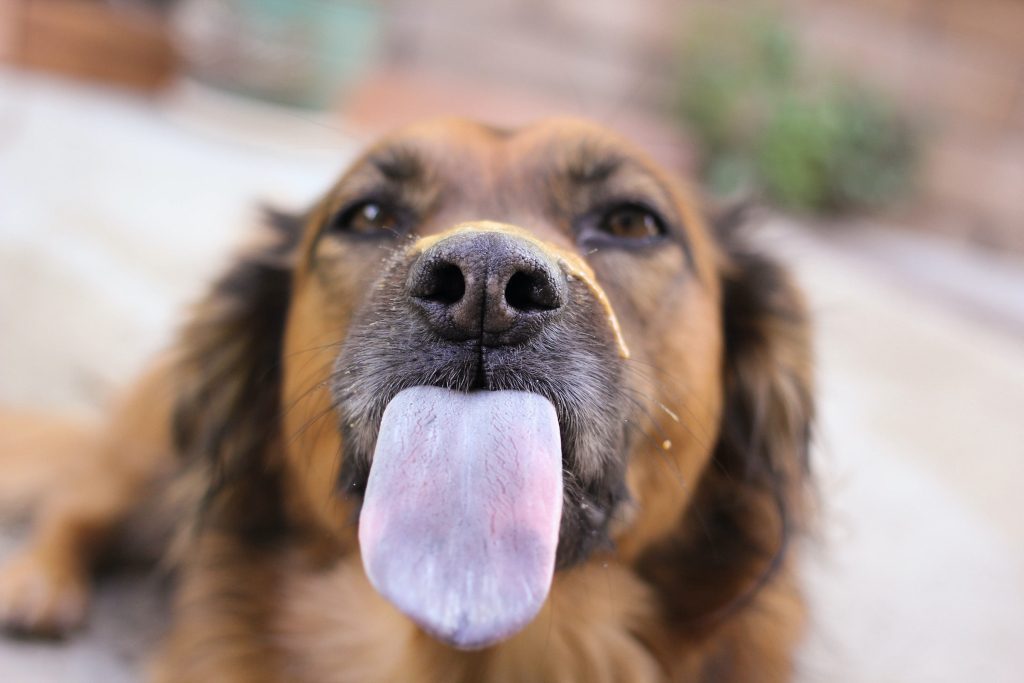
Every pet owner knows that a small scoop of peanut butter goes a long way toward making you a better pet parent, at least in the eyes of your pooch. A spoonful of PB is the perfect snack for many owners when trying to get Fido to take a pill or do a trick, but why do dogs like peanut butter in the first place? Like so many things, it’s mostly evolution with a little human encouragement along the way.

Why do dogs like peanut butter?
Interestingly, while wolves and domestic cats are carnivores, dogs are officially omnivores. That means that they eat all kinds of foods, including meat and fruits, nuts, and veggies. Your pet cat can’t really taste sweet things, but your dog definitely can (you knew that though, right). So it’s a safe bet that part of the reason canine pets crave peanut butter and other similar treats is their insatiable sweet tooth.
Additionally, nuts, even in butter form, contain quite a bit of protein. Like us, pets need this to thrive and feel full. Of course, our buds will naturally seek out food that’s good for them, like high-protein snacks. Lastly, one theory suggests that nut butters might smell meaty to animals. If that doesn’t resonate with you, remember dogs have a sense of smell AT LEAST 10,000 times ours.
We may never get a definitive answer on exactly why pups go crazy for this gooey stuff — perhaps it’s the smell, the sugar, or the protein. Most likely all three. And best of all, your dog’s favorite snack is always whatever you happen to be eating. Don’t be surprised if they start licking their chops any time you reach for the peanut butter jar for your own sandwich.
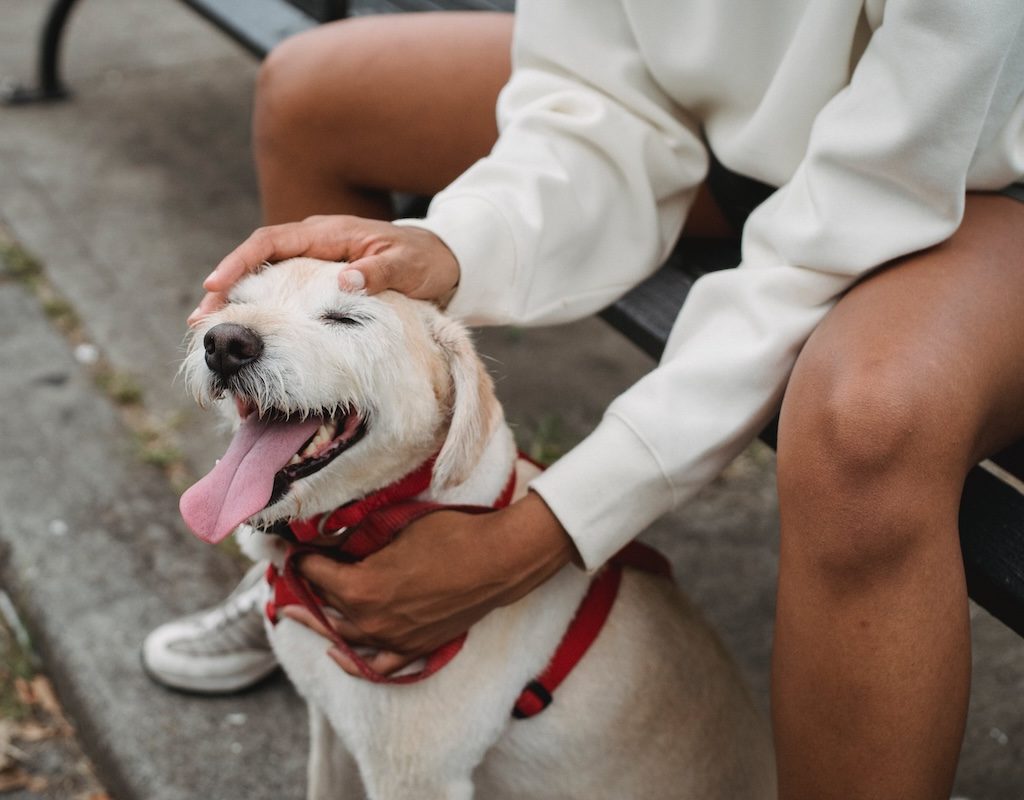
Is peanut butter good for a dog?
All treats should be given in moderation, peanut butter included. Too much of anything can make your pup not feel great or give them tummy issues. With something so high in fat and calories (for a pet), you want to carefully monitor how much they eat. One option is to specifically seek out lower-calorie varieties or brands that don’t add any sugar. Even then, you shouldn’t just give your four-legged friend the whole jar, but you might not have to worry as much about going overboard.
Ask your vet how many total calories your animal should get in a day and how many can come from snacks as opposed to their nutritious meals. Then figure out how much peanut butter you can offer. Additionally, if you use this particular food for pills, you might hold it back for only those occasions. That way it’s so special your dog can’t help but gobble it up.

What dogs can’t eat peanut butter?
If anyone in your household has a nut allergy, keep the peanut butter far away. Even with a well-trained pet, there’s no way to completely prevent them from licking you, and they could spread particles that might make someone sick. Rarely does a pet have a nut allergy, too. Follow up on any signs of reaction such as swelling, itching, or excessive gas. Lastly, xylitol, which is sometimes used in foods, poisons dogs. Even a small amount can prove fatal. Any time you decide to give your animal human food, you must carefully read the ingredients list.
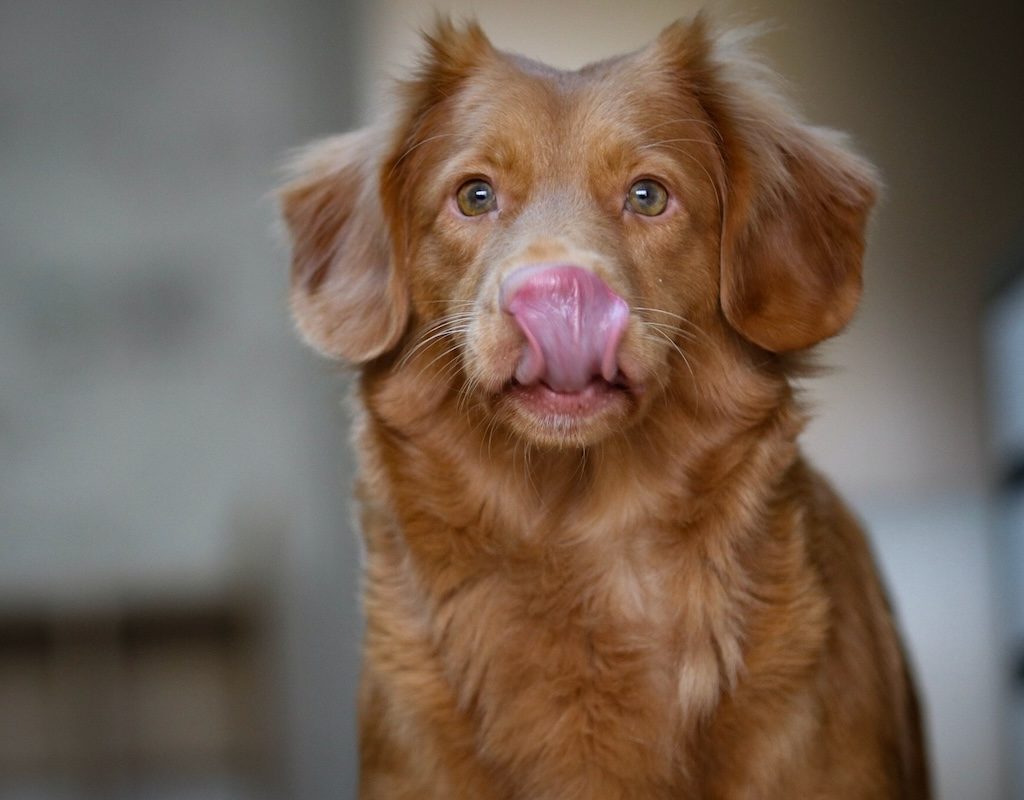
Why does my dog lick himself after he eats peanut butter?
Try giving your dog a little peanut butter snack off your finger and then see how it feels afterward. You’ll likely notice a sticky sensation — the same one your dog is feeling on the roof of their mouth. Some pet parents even take advantage of this and force their pup to lick the peanut butter off or out of something (like a puzzle toy) to keep them occupied. Don’t worry; it doesn’t bother your beastie to lick their lips, especially since they get to continue tasting the treat this way. We have one caveat: Make sure you provide drinking water when giving any dog treats. Peanut butter, in particular, often contains salt, which will make them thirsty.
You’ll be thrilled to know that peanut butter makes it onto the “yes” list for your dog, provided you only give it in moderation. As a general rule, dogs should consume only 10% of their calories in treats per day, or they may start to gain weight and have other health issues. Still, peanut butter does have some benefits, like being high in protein and the good fats, so it’s a great go-to for snack time — and you can share.