You may have heard from parents to newborn humans — or discovered this fact of life as one yourself: Poop is a regular topic of conversation. You may turn your nose up (or hold it), but you know what happens. What people speak less about (publicly) is that dog and cat parents often find that their pet’s No. 2 quickly becomes their No. 1 favorite topic. Humans and pets aren’t exactly alike, but we have a few things in common with our best friends: Poop — frequency, color, shape, and texture — is a critical health indicator.
Humans generally do their business privately, though your pup may not have gotten the memo. However, dogs use the potty out in the open. You may notice your pet locking eyes with you while doing their business. Is that a problem? We scooped up some possible theories to the question you may be asking, “Why do dogs look at you when they poop?”
Why do dogs look at you when they poop?
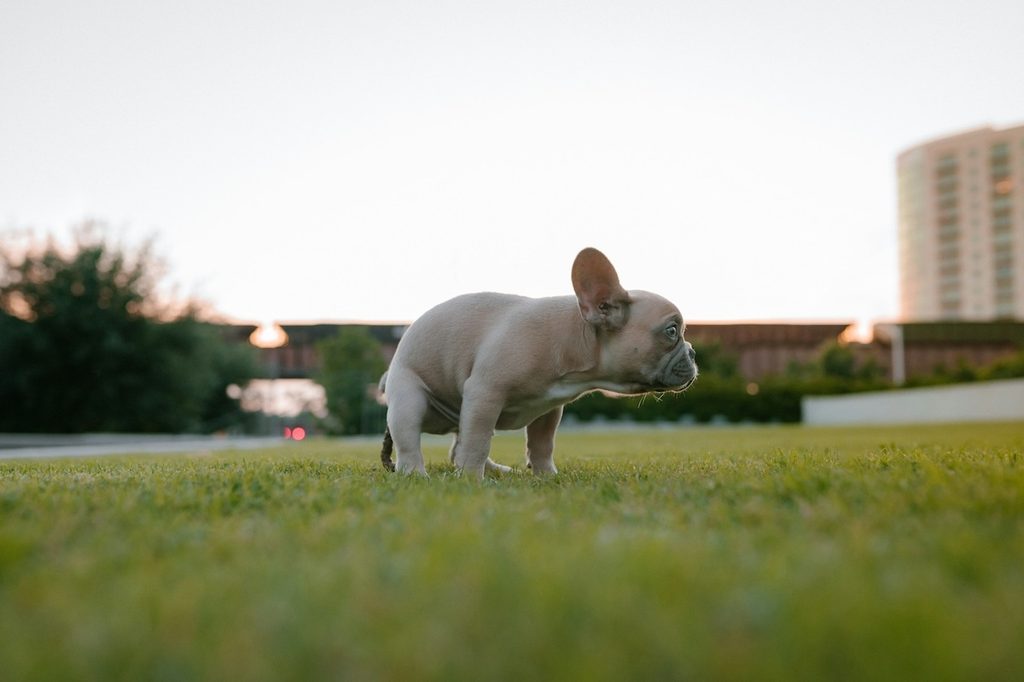
The answer to this question depends on the dog. However, many dogs look at their favorite humans when they poop, and this behavior is generally expected and not cause for concern. There are several possible reasons why your dog looks at you as they poop, and more than one might apply to your furry friend.
Respect
During proper behavioral training, dogs learn to defer to their humans through positive reinforcement. Your pet may look to you for the next steps and ensure they act appropriately.
Vulnerability
When dogs squat to poop, they assume a position that leaves them vulnerable to predators. These fears can cause stress for a dog. However, your pet feels safe with you, and staring at you releases a feel-good hormone (oxycontin) that helps your pet regulate their anxieties.
Additionally, your dog may be looking to you for cues. If you appear calm, your pet knows they’re OK to finish pooping because no harm is in sight. Sudden movements might prompt your dog to stop what they’re doing and seek protection.
They want a treat
Animal organizations like the ASCPA and vets recommend positive reinforcement training. The process usually involves doling out treats for following commands. This strategy typically extends to potty training as well. Your dog may grow to expect this yummy reward for pooping in a designated spot (that’s not on your sofa) and give you hopeful glances while popping a squat. They left you a present and now want one, too.
Your dog wants some praise
Praise is also a critical component of positive reinforcement training. Who doesn’t love a verbal (or actual) pat on the back for a job well done (even if the “job” is actually “following the rules”)? Consider picking your battles here and letting your furry friend know they’re a very good dog (because they are).
You’re reading too much into the situation
No offense, but you may simply be in your dog’s line of vision. Dogs often look around (especially if they feel vulnerable when pooping). You may be in the right place at the right time and lock eyes with your pup.
Should you stare back at your dog?
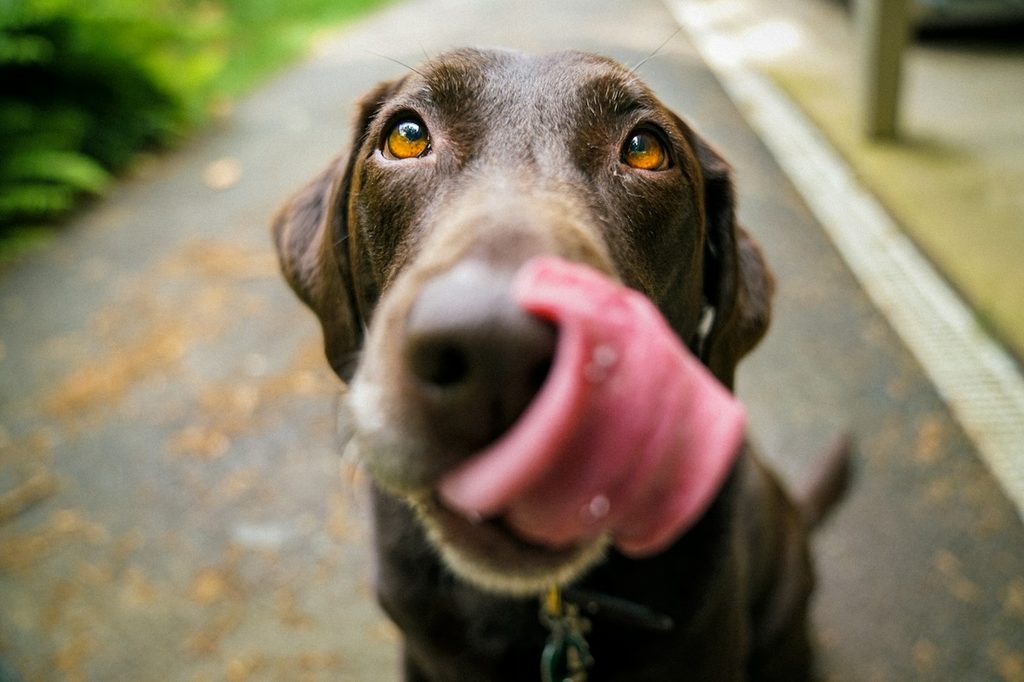
That’s between you and your pet. Your dog might be looking to you because they want to feel safe. In this case, gently looking back is kind. However, if you find the whole thing awkward, don’t feel guilty for looking away, especially if your dog is on the hunt for a treat or praise. You can always offer these perks after your pup is off the proverbial pot.
Other dogs may feel uncomfortable if you stare at them when they are pooping, so you’ll probably want to look away in these cases to ensure your pet gets the job done.
When to be concerned about your dog’s poop
You can choose to look at your dog as they poop or not, but you’ll want to take note of what your pet produces. When you pick up the poop, ensure the stool is regularly firm but slightly squishy. Monitor for straining and changes in the frequency of poop. The stool should be light to dark brown without red streaks, which could be blood and a sign of an underlying condition. When in doubt, call the vet.
Final thoughts
Pets often look at their humans when they poop. Your pet may want comfort, a treat, praise, or to signal respect for you. Don’t worry if your pet doesn’t look at you when they poop. Some dogs prefer hiding or looking around. Each pet has their version of “normal.” If you’re concerned about a change in your pet’s bathroom habits, including abnormal hiding, pooping more or less frequently, or noticing blood in the stool, call the vet.