
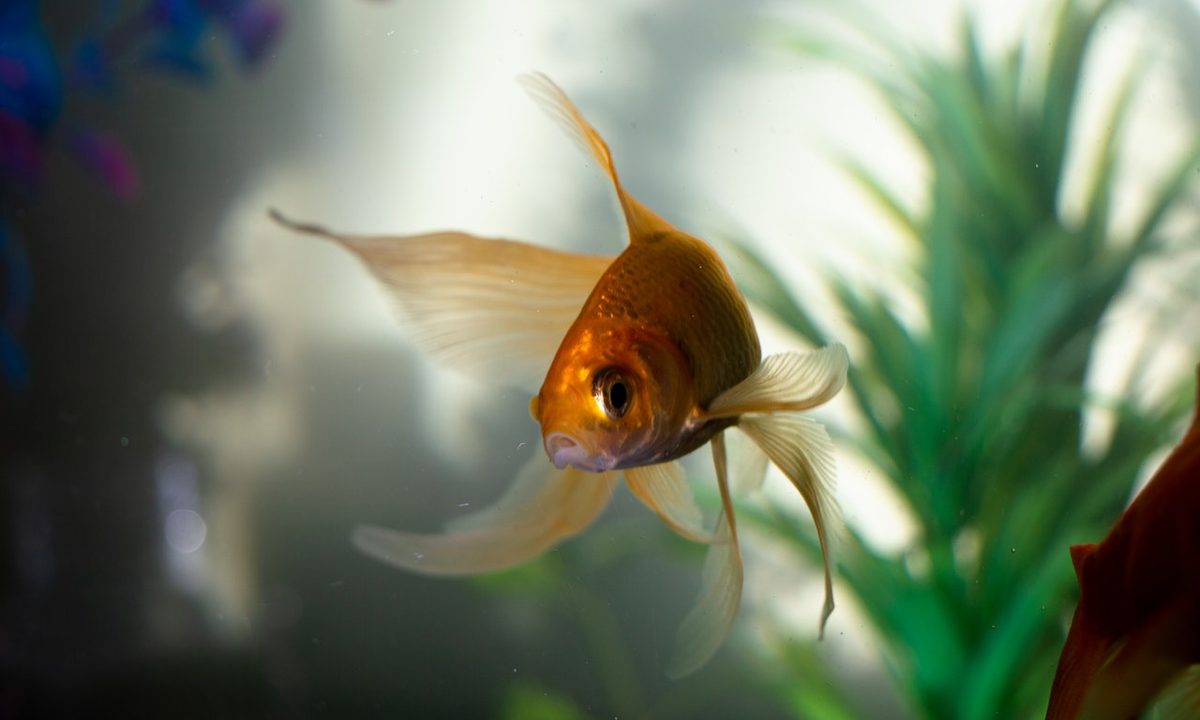
Have you ever wondered why so many dentist's and doctor's offices have aquariums in their waiting rooms? As it turns out, studies have shown that watching fish swim around in a tank can reduce blood pressure, soothe hyperactive children, and even provide a natural form of pain relief. When the presence of a fish tank is so beneficial, is it any surprise so many of us have them in our homes?
In addition to health benefits, some cultures believe having fish in your home attracts wealth, improves positivity, and helps rid your space of negative energy. Whether or not you believe such things, it's undeniable that our fishy friends do a lot for us. In return, we keep their tanks clean, feed them high-quality diets, and monitor their health. But sometimes, worms can creep in. One potentially deadly worm is the camallanus worm. Here's what you should know about them.
What are camallanus worms?
Commonly found in tropical fish, camallanus worms are intestinal parasites that feed on fish blood. Their feeding technique involves drilling into the fish with a rasping organ found on the nematode's anterior. Once the worm has drilled in, the organ anchors it to the fish. You'll often see the organ hanging from the anus of infected fish, and it will appear red as the worm feeds.
How do camallanus worms get into your tank?
In the wild, camallanus worms usually prey on freshwater fish. Like most worms, camallanus worms can infiltrate your tank in a variety of ways. Snails, live marine plants, fish food, crustaceans, and new fish are all avenues these nefarious worms use to enter your aquarium.
Another typical host is the copepod, often sold as live food. Yet another avenue of infestation is cross-contamination. If the same equipment is used in a tank with an active camallanus worm infestation, it can spread the worms to other tanks. Unfortunately, these worms can hide in a fish's guts, so you may not know they're infected until the worms have already spread to other hosts.
What are some indications that you have camallanus worms in your tank?
To determine whether camallanus worms are present in your tank, look out for the following symptoms in your fish:
- Abdominal bloating
- Wasting
- A lack of interest in food
How to get rid of camallanus worms
While infestations aren't always lethal, camallanus worms can kill fish. If you're wondering how to get rid of camallanus worms, we've got some good news. Treating the problem is possible by following these steps.
Step 1: Inspect your fish regularly for signs of camallanus worms.
If you notice your fish exhibiting symptoms including rapid weight loss, sudden abdominal bloating, shivering, inactivity, and lack of appetite, you might have a camallanus worm infestation.
Step 2: Remove crustaceans from the tank.
Because the medication you will use to treat your fish is toxic to crustaceans, you should remove them from the fish tank before treating the affected fish. As we've seen, crustaceans can introduce camallanus worms into a tank. It's best to either discard them or keep them in a separate tank, using tank-specific equipment so you don't reintroduce the worms.
Step 3: Administer medication.
Anthelmintic medications such as fenbendazole and levamisole can rid your tank of these notorious invaders. Follow the manufacturer's instructions and administer the medication accordingly. These medications paralyze the worms, sometimes killing them, so infected fish can expel them into the tank.
You'll know the medication has done its job when you see red, pink, or white worms emerge from the anus of your fish.
Step 4: Clean your tank's substrate, the tank, and all supplies thoroughly within 24 hours of treatment.
This step is essential. You'll most likely have to apply the treatment on three separate occasions, spaced one full week apart. Speak to your vet or local fish expert if you have any questions, as anthelmintic medications could be toxic to fish if you don't follow the manufacturer's instructions to the letter.
In addition to cleaning the substrate, you'll also want to clean the tank and anything that's come into contact with it, including nets and siphons. Even a few droplets of water may contain larvae, which will drill into the gut of the nearest host fish the moment they're large enough to do so.

What to do if treatment doesn't work
Unfortunately, if a fish shows signs of bloating, wasting, or other visible marks of infestation after treatment, it may be necessary to euthanize it. Any worms the fish doesn't expel will eventually decay, causing a secondary infection, which can spread to other fish in the tank. As heartbreaking as it is, you'll spare your fish from weeks or months of suffering and keep your other fish from contracting an infection.
How to keep camallanus worms out of your fish tank in the first place
There are some ways to lessen the chance of camallanus worms contaminating your tank altogether.
Refrain from feeding anything that could contain camallanus worms. Since these invasive parasites are known to infect crustaceans, it's best to avoid any fish food containing them. If your fish are picky and eat only crustaceans, try to source them from waters that don't contain any fish. You should also take caution when using feeder fish, as they can infect your fish. Tubifex and other worms may also be infected with camallanus worms, so we recommend avoiding those, too.
Quarantine any new fish for at least one month before introducing them to your tank. If you see any signs of infestation, ensure you've successfully treated your newest additions before moving them into your tank.
Figuring out how to get rid of worms in fish tanks can be daunting, but if you follow our tips and avoid feeding your fish worms, feeder fish, and crustaceans, you'll be able to stop an infestation in its tracks and prevent recurrences.