Being a cat owner is one of the most rewarding experiences in the world. From their adorable chirps to their vibrant personalities, cats quickly become entertaining, affectionate members of the family. But sometimes, our frisky feline fur babies can be a bit naughty.
Whether your cat likes to nibble on your fingers, screech in the middle of the night, or annoy the family dog, it’s time to begin training your cat. However, selecting the right training method is essential when it comes to cat discipline. Shouting can cause anxiety, which may worsen your cat’s behavior instead of improving it. Let’s find out why clicker training for cats is an effective way to correct naughty behavior — no screaming involved.
What is clicker training for cats?
If you’ve never heard of clicker training before, you may be wondering what all the fuss is about. We’re here to spill the beans on clicker training and what makes it so useful for disciplining your cat. Training revolves around mental associations. Does your cat come racing into the kitchen every time she hears you open her can of food? That’s because she associates the sound of the tab popping with dinnertime.
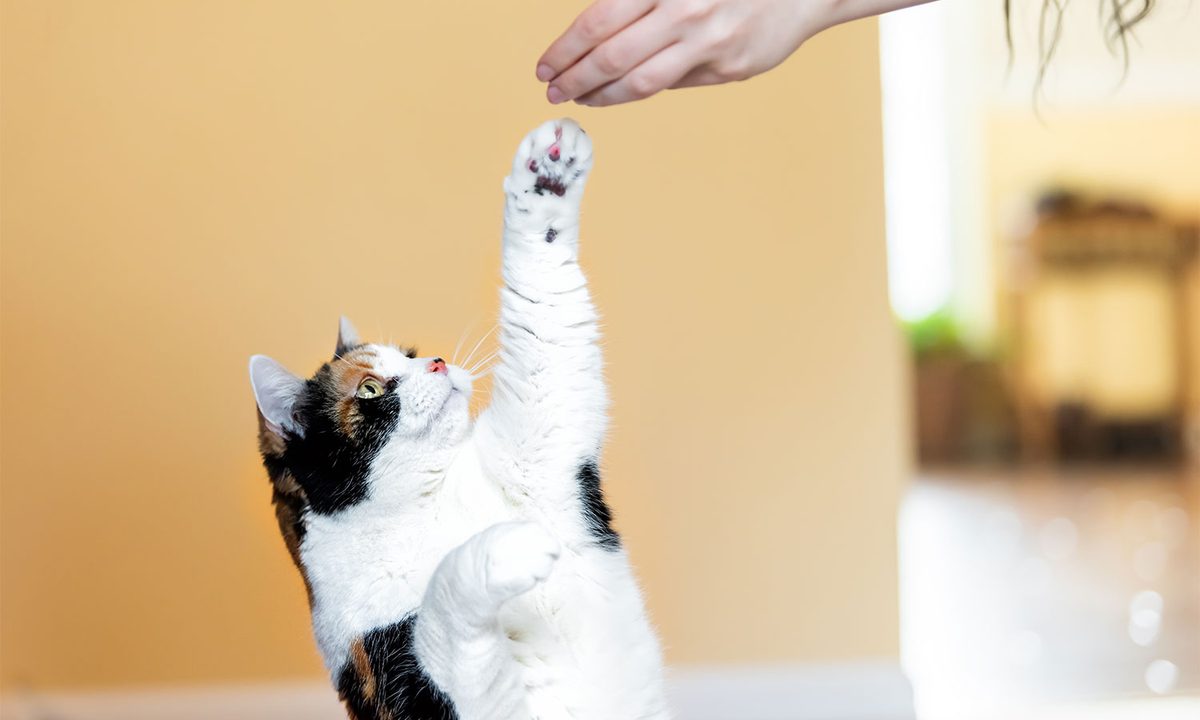
Clicker training works similarly. While many people clicker train their cats to do tricks, the method can also teach them not to do something. For example, if you want to teach your cat to make use of the fancy new cat tree you built, use the clicker when she climbs onto it, then give her a treat to reinforce what you want her to do. Your cat will learn to associate the sound of the clicker with being given a treat and spend more time playing on her new cat tree.
Why negative reinforcement doesn’t work on cats
It’s a common misconception that you should discipline your cat by punishing her when she misbehaves. While spraying her in the face with a squirt bottle won’t physically harm her, it’s still an upsetting experience for your cat. Not only is it stressful, but your cat most likely won’t understand that you’ve sprayed her because she scratched your furniture.
All your cat knows is that she was playing, and her human suddenly squirted her in the face. This may cause your cat to become anxious in your presence, which can worsen the behavior you wanted to stop. Additionally, if your cat feels unsafe around you, it could permanently damage your relationship.
When disciplining a cat, the trick is to encourage different behavior, not punish her for doing something you don’t want. Say your cat yowls in the middle of the night, disturbing your sleep. It’s tempting to yell at her, but your cat still gets what she wants — a moment of your time. This teaches her to associate late-night yowling with grabbing your attention, which is the opposite of what you want.
As difficult as it might be, ignoring your cat is often the best way to get her to stop. Once she realizes that screeching and meowing won’t gain your attention, she’ll quiet down. So, how does clicker training for cats? Let’s take a look.
How to discipline your cat using clicker training
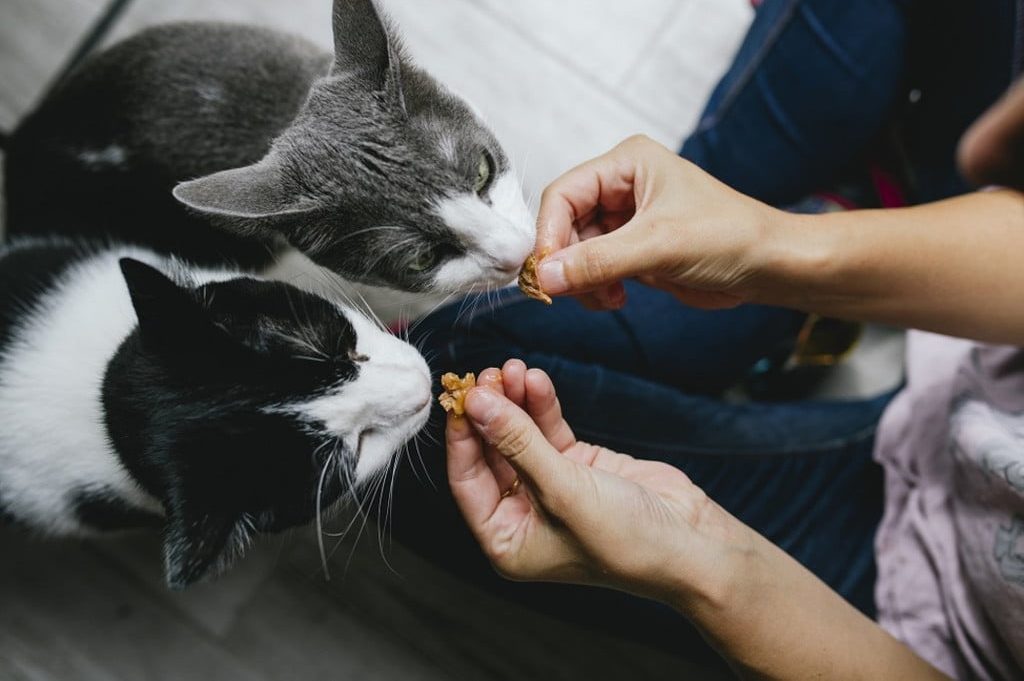
Instead of punishing your cat when she misbehaves, the best way to discipline your cat is by redirecting her attention or ignoring her. Clicker training can help. If you shoo Miss Mittens away when she jumps up on the counter while you’re cooking, you’re giving her the attention she wants. Ignore her, and she’ll eventually lose interest.
It’s tempting to give her a treat once she jumps down, but you may inadvertently teach her that jumping up on the counter for a little while and then jumping back down is a good thing. Instead, wait at least 10 minutes until your cat is resting calmly, use the clicker to reinforce her good behavior, and then reward her with a treat.
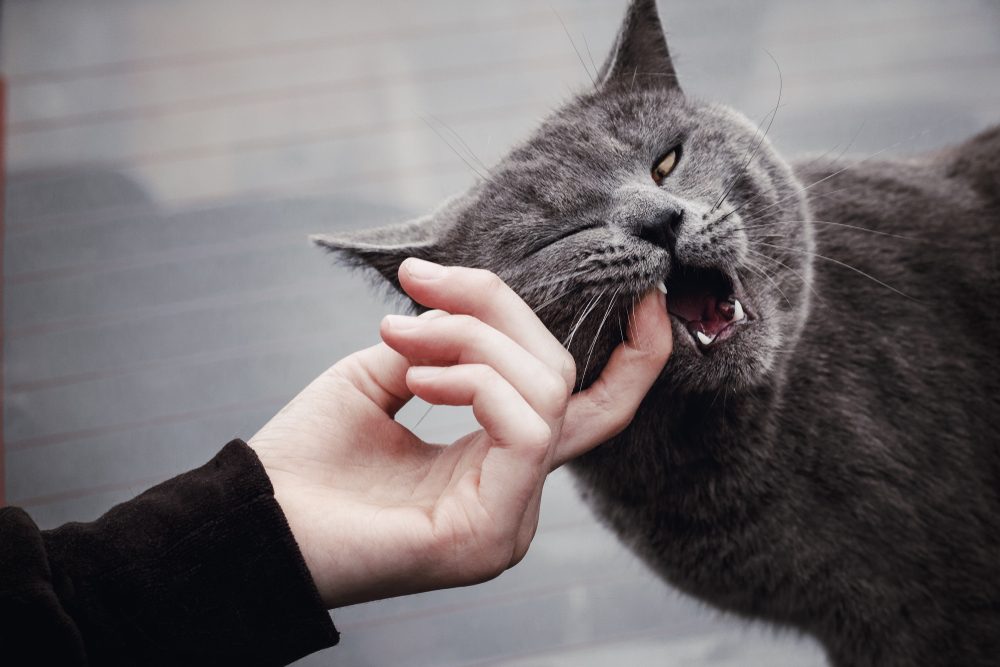
If your cat plays rough and scratches or bites, don’t yell or swat at her. Extricate your finger and offer an alternative like a cat toy. Once your cat has spent a few minutes playing with her toy instead of attacking your hands, reinforce her behavior with the clicker and offer praise and a treat.
Redirection and distraction are your best friends when it comes to cats who play a bit too rough. Some cats enjoy chasing the family dog, which may look entertaining but ultimately leads to a stressed-out pooch — plus a very unhappy cat if your dog retaliates. Draw your cat’s attention away from your other pets using a laser pointer or a toy and use the clicker to let her know she’s being an awfully good kitty.
What age do you start clicker training for a cat?

Your kitten can learn with a clicker starting at 6 weeks old, though you may decide to wait until about three months. Keep in mind: You’ll probably get more out of a little kitty than an older one. When you start out, you need to be mindful of how long the training session runs.
We recommend just a few minutes at the beginning, less than five. As you build up her stamina — and yours — you can lengthen these a touch without going overboard. Above all else, make sure to stay super consistent with the reward. It only works if she associates the sound with her treat and therefore understands that the click indicates a pat on the head.
In time, your cat will learn to associate the sound of the clicker with doing what you want her to do instead of being mischievous. This can take up to a few weeks, but with enough time, patience, and consistency, you’ll have your cat clicker trained. The final result? A much more peaceful household and a much better-behaved cat. That’s what we call a win-win scenario.