If you have a new kitten in your home, or if your cat has given birth to a litter of kittens, then you’ll get to see those kittens develop and grow up. While kittens undergo different growth stages, there are also different kitten behavior stages to be aware of. The more you understand about how kitten behavior changes throughout these stages, the better you’ll be able to spot any behavior that isn’t normal and that might indicate a health issue that needs veterinary care. Here are the behavior changes you should expect in the following kitten stages as your newest fur babies grow.
Neonatal period
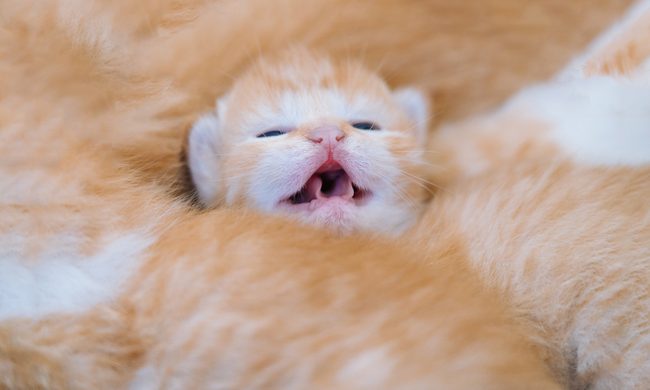
According to VetFolio, the first of the five kitten growth stages after your kitten is born is the neonatal period, which occurs from birth to two weeks. During this period, kittens are blind and deaf, so they entirely depend on their mother for survival and feeding. The mother cat also helps kittens to regulate their temperature, and she stimulates them to get them to go to the bathroom after feeding.
Transitional period
The transitional period occurs at the end of the neonatal period, and during this time your kitten’s ears and eyes will open. There isn’t a clearly defined length for this transitional period, but it lasts up until the early stages of your kitten’s socialization period.
Socialization period
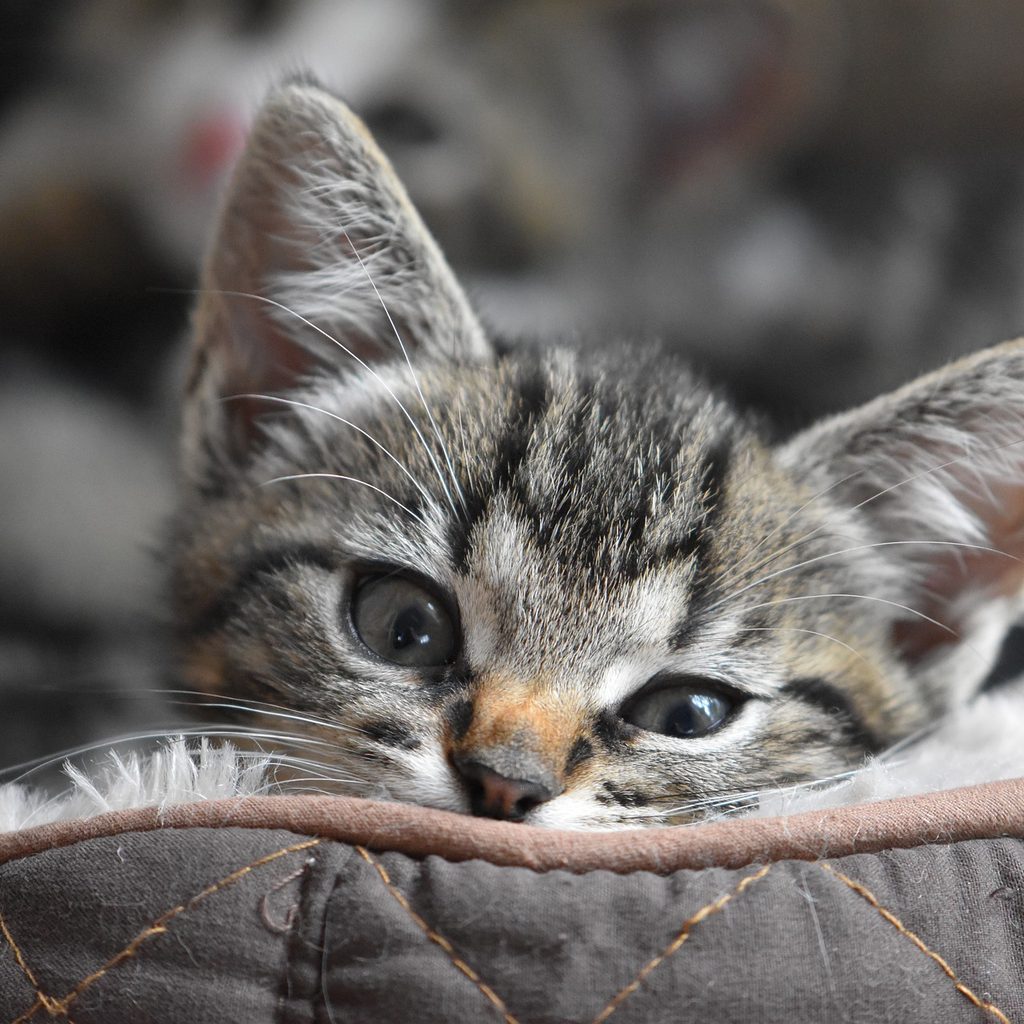
The time when your kitten is two to seven weeks old is the socialization period. During this timeframe, your kitten needs to be exposed to new experiences and environmental surroundings so he’s able to develop. As your kitten becomes able to see and hear, he’ll be ready to play with other kittens. Through this play, he’ll learn bite and claw inhibition and develop important social skills. If your kitten isn’t exposed to other kittens during this period, he might not learn to restrain his biting and claw use.
Juvenile period
Your kitten’s juvenile period starts when he’s about two months old, and it lasts up to between four and ten months of age. Aspen Grove Vet reports that during this time, your kitten will eat solid food and will continue to learn important social skills. He’ll be using the litter box and may explore his environment by climbing.
When your cat is in this juvenile period, you can help satisfy his desire to explore by giving him vertical spaces to climb, like scratching posts or cat trees. It’s also important to continue your kitten’s social education during this time by interacting with him in gentle play and by giving him the chance to interact with other kittens or cats.
Adolescent period
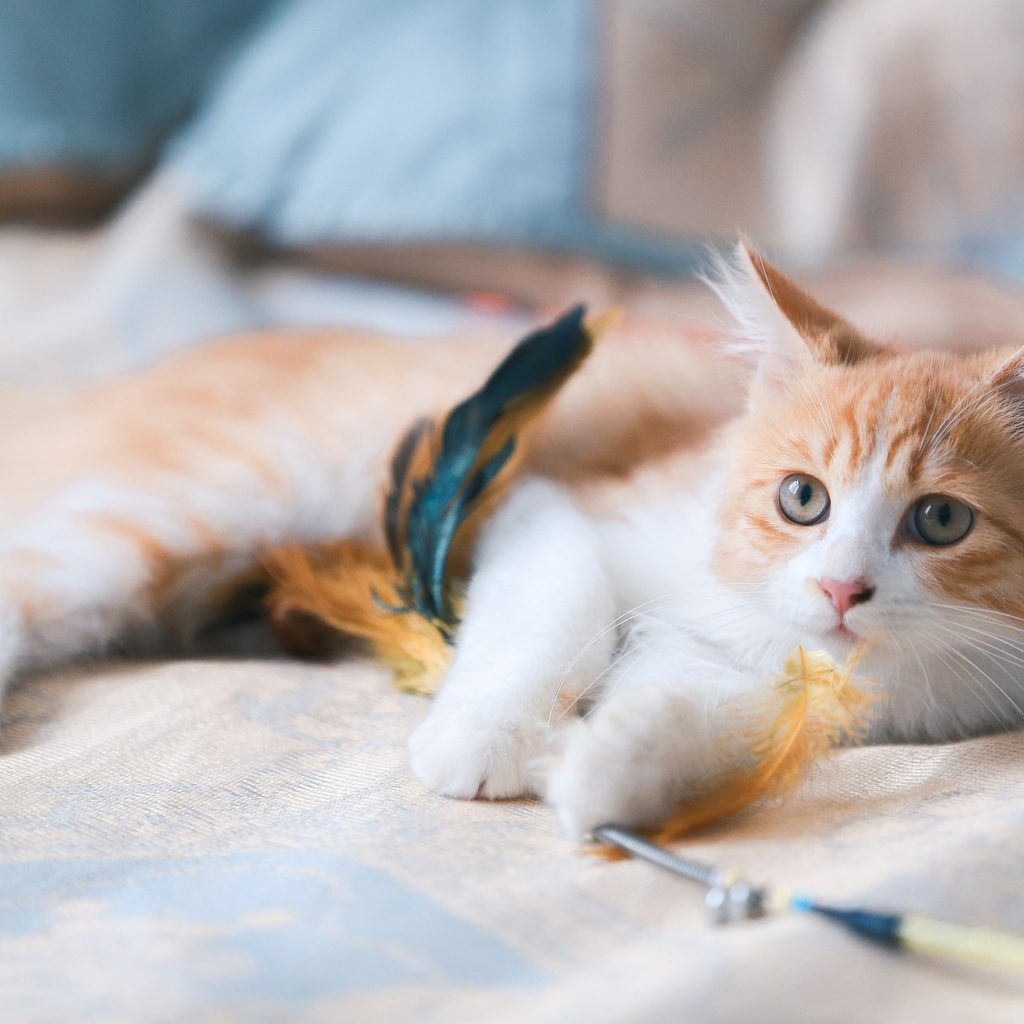
When your cat reaches puberty, he’ll enter his adolescent period. Puberty can occur anywhere from between four to 10 months, reports VetFolio. This adolescent period lasts until your cat is socially mature, which happens between 36 and 48 months. This period is equivalent to your cat being a teenager.
According to Aspen Grove Vet, your cat will reduce the amount of social play he performs during this period. Your cat might challenge other cats to establish his status among them. If you allow him outdoors, he’ll start wandering and may go farther than he’s gone previously. It’s important to play with your cat and reward him for gentle, appropriate play during this stage. You might need to get a larger litter box if your cat has grown, and it’s a good idea to ensure your cat has a microchip and a collar with an ID tag, particularly if he goes outside.
This is also the stage when it becomes important to spay or neuter your cat. When your cat is spayed or neutered, he’s less likely to urinate in the house and mark territory. He’s also less likely to get into fights and roam far distances away from home.
Final thoughts on kitten development
In the span of a year, you’ll see your kitten go from being completely dependent on his mom to being an independent and happy cat. Keep an eye out for the different behavior stages that your kitten progresses through and watch for those behavior milestones. If you notice your kitten is falling behind in his behavior, give your vet a call just in case. Kittens grow rapidly, and while your kitten might seem to have tons and tons of energy while he’s younger, remember that it’s just one of his behavior stages. That energy and playfulness are key to your kitten’s social development, and as he ages, that energy will gradually decline. You can still keep your kitten fit and healthy by playing with him daily, though, and don’t forget that play is a great way to bond with your kitten, too.