Dressing in costumes, trick-or-treating, and decorating the lawn with ghosts, goblins, and ghouls, there’s just so much to love about Halloween. That’s unless, of course, you’re a dog. According to animal welfare workers, it’s not unusual for pets to go missing on Halloween. The sights and sounds that provide so much entertainment for adults and kids can be downright scary for even the most confident dogs on Halloween. Here are some tricks to treating your dog to a calm, happy, and safe holiday.
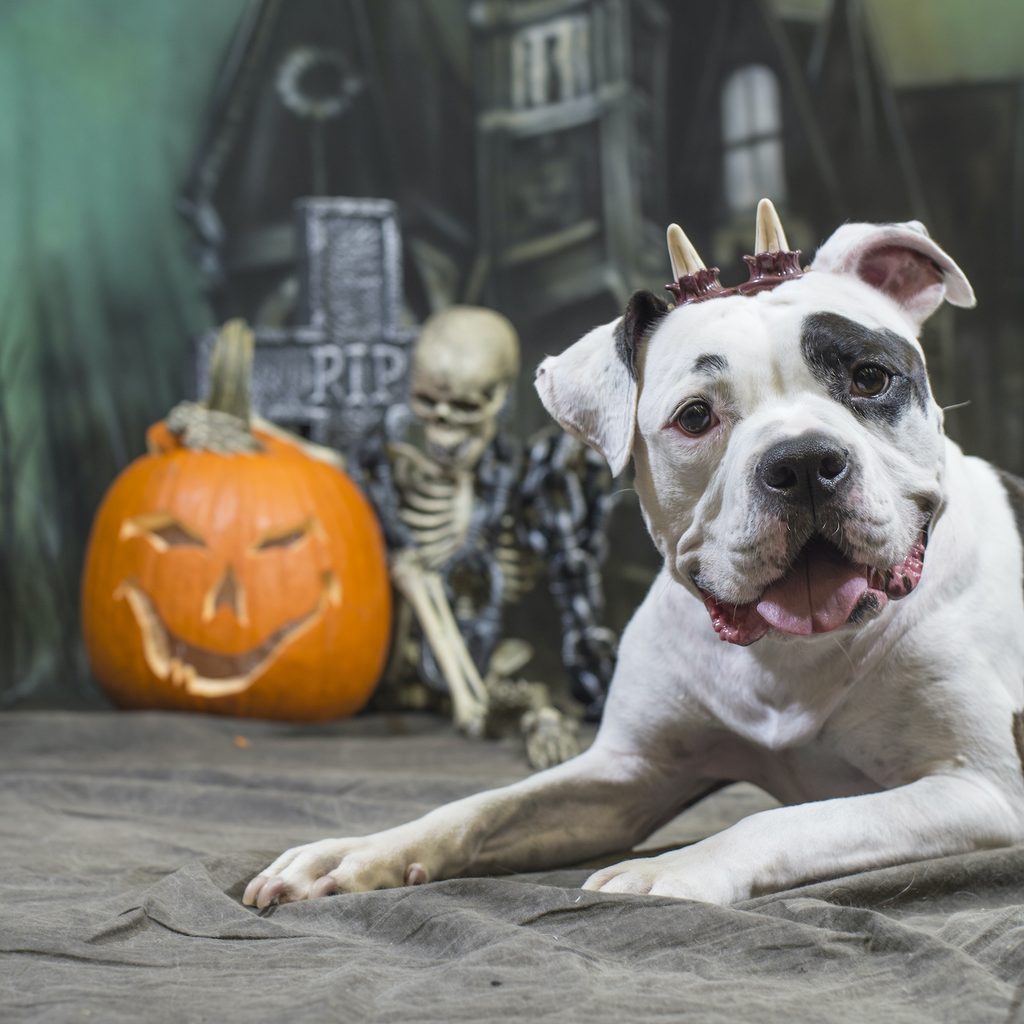
Not every dog likes to play dress-up
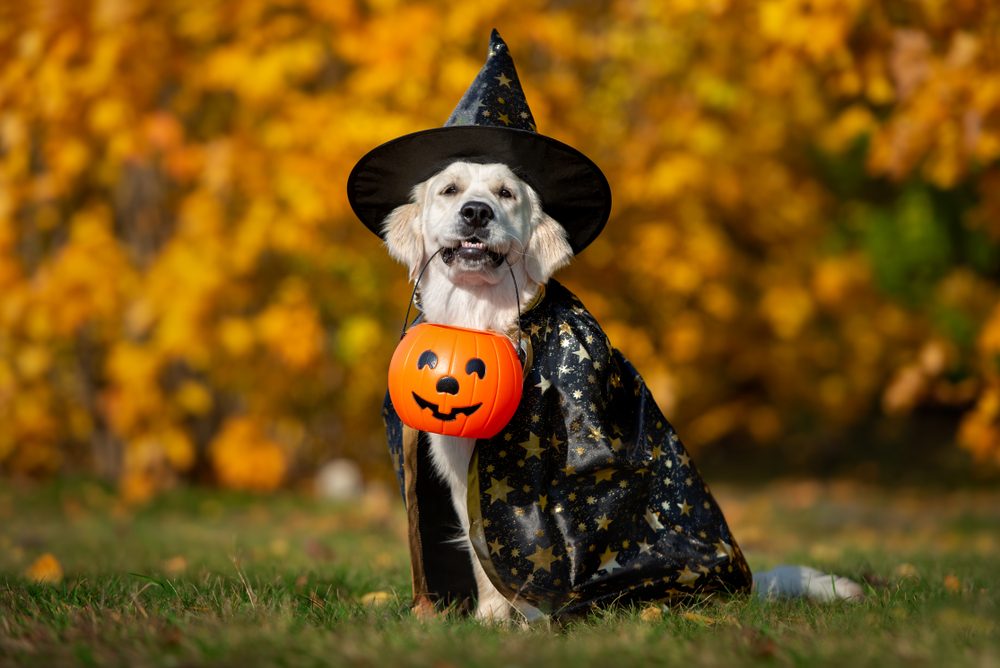
With so many fun pet costumes on the market, it’s easy to get caught up in the spirit of the holiday. However, animal welfare organizations caution families that being dressed in a costume can be stressful for many pets. If your dog appears uncomfortable, he shouldn’t be forced to wear a costume no matter how cute you think he looks. If your dog rolls on the floor or rubs against furniture in an attempt to slip out of the costume, it’s a clear sign that he’s uncomfortable. Less obvious signs your dog is stressed in a costume include:
- Ears pinned back or folded down
- Frequent yawning
- Tail tucked between legs
- Panting or drooling
- Whining
- Hunched back
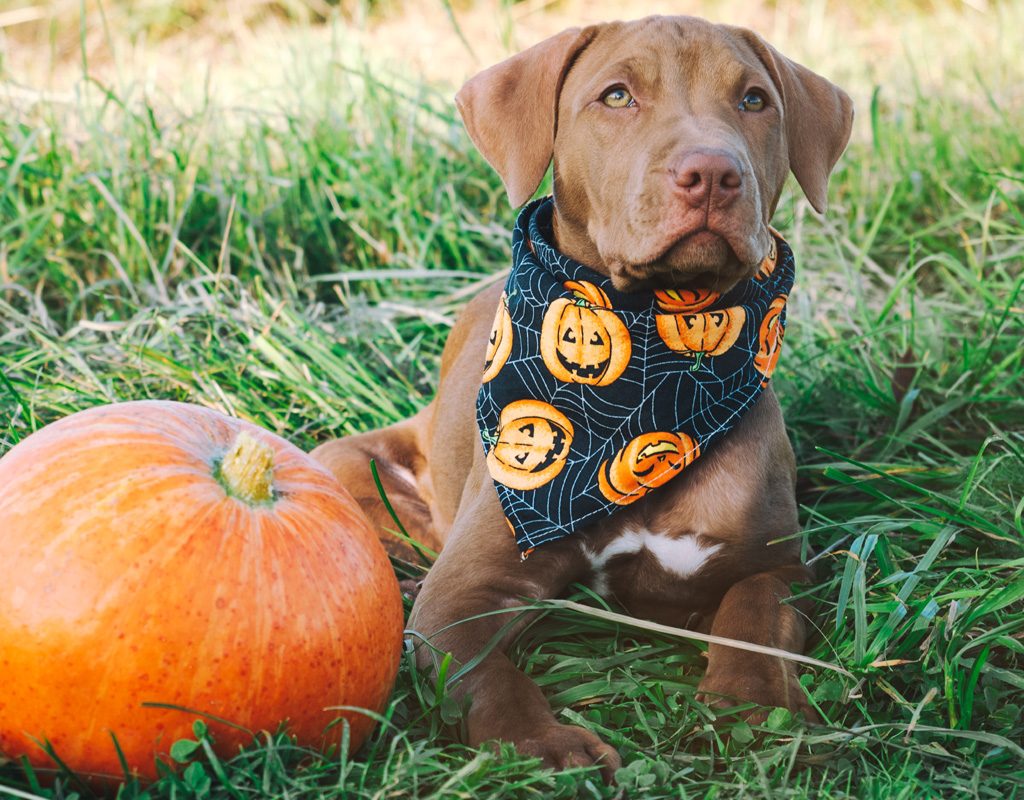
Just because your dog is tolerating the costume doesn’t mean they enjoy wearing it. A stressed dog should never be forced to play dress-up. Instead, putting a costume on your dog on Halloween, opt for a fun collar, bandana, or leash. There are plenty with festive prints, such as pumpkins.
If your dog does enjoy playing dress-up, be sure to consider his safety. Never choose clothing that restricts his movement, hearing, or ability to breathe or relieve himself. And always check the costume for parts your pet could gnaw off as these can pose a choking hazard.
Don’t take your dog trick-or-treating
Many families like to take their dogs along when trick-or-treating with the kids, but animal advocates urge you not to. According to the Humane Society of the United States, many dogs get spooked and break free when walking around the neighborhood on Halloween, and what started as fun can quickly turn into a nightmare.
The best plan is to leave your dog home on Halloween. If you don’t want your dog to miss out on the fun completely, you can enter him in a pet costume contest — only if he enjoys being dressed up, of course — before the actual holiday. Large pet store chains and many animal shelters and rescue groups sponsor Halloween activities for pets on weekends leading up to the holiday.
Put your dog in a safe space before the trick-or-treaters come calling
To help keep your dog calm on Halloween, animal behaviorists advise setting your dog up in a safe space before trick-or-treaters start calling. Choose a room well away from the front door and make sure that all window blinds and drapes are closed. Provide your dog with his favorite bed or crate and an interactive toy. A frozen Kong stuffed with peanut butter and treats is a great way to keep him distracted. Playing relaxing music or putting on the TV will help drown out the sound of the doorbell or noise from trick-or-treaters out on the street.
How to help an overly anxious dog
Some dogs can handle stress better than others, and if the loud, weird noises of Halloween rattle your dog, you may need to take some extra steps to help him. For example, to avoid the stress of the doorbell, you might consider sitting out front to greet trick-or-treaters. Following are a few additional stress-relieving options to consider. It’s always best to ask your veterinarian before giving any new product to your dog.
Rescue Remedy
This is a popular homeopathic treatment for anxiety in dogs. Rescue Remedy is made from a diluted combination of five flower essences: star-of-Bethlehem, rock rose, cherry plum, impatiens, and clematis. According to veterinary experts at PetMD, scientific evidence is lacking to support the effectiveness of homeopathic treatments, but many pet parents report that this product helps calm their anxious pooches.
CBD oil
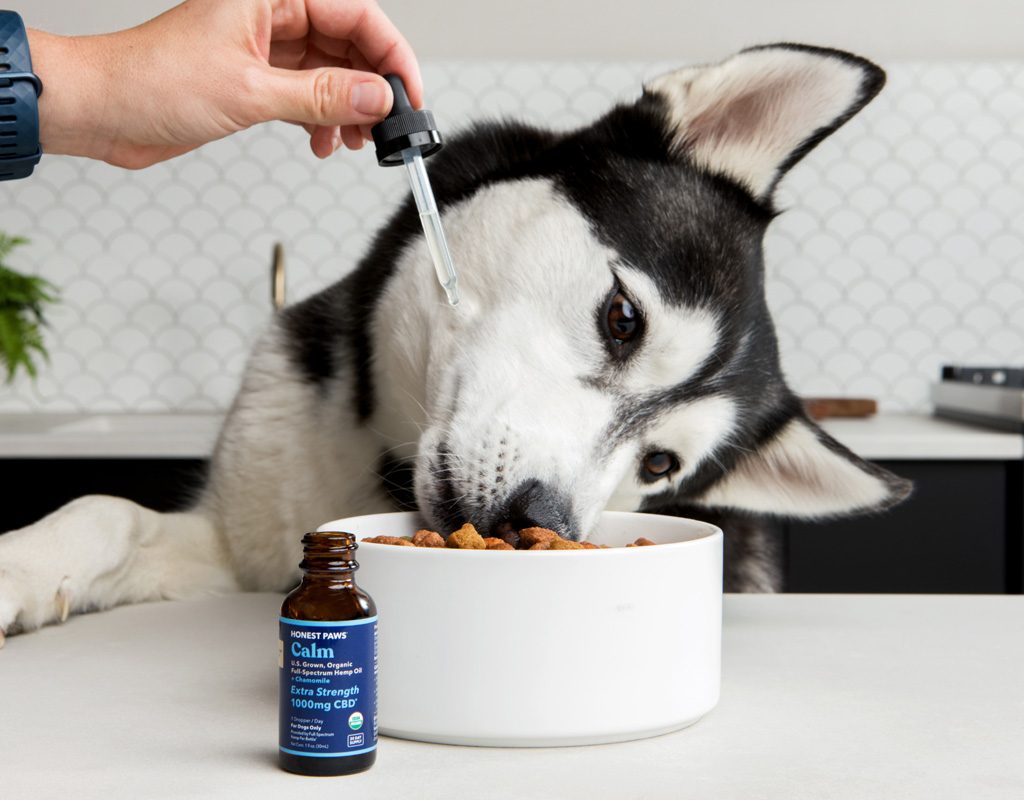
CBD oil is a natural substance found in the hemp plant. While it comes from the same source as cannabis, it doesn’t cause a dog to get “high.” Manufacturers say CBD oil has a naturally calming effect and soothes dogs who are anxious or stressed.
ThunderShirt
While your dog may not be comfortable in a Halloween costume, he might find a ThunderShirt comforting. According to the manufacturer, this shirt provide consistent body pressure that helps put an anxious dog at ease.
In addition to keeping your dog stress-free during Halloween, you need to be alert to health risks. Many human treats aren’t safe for consumption. Never feed your dog holiday candy, especially if it contains chocolate or xylitol, and make sure all trick-or-treat bags are kept out of reach. Holiday decorations such as candles and jack-o’-lanterns also need to be out of reach of pets. Be prepared and take the necessary precautions, and your pet can have a safe, stress-free Halloween while you enjoy the festivities.