You’ve probably heard a mean rumor or two about pit bulls, such as that they’re aggressive and dangerous. If you’ve ever met one, you probably know that these are not typical pit bull characteristics.
The negative stereotypes about pit bulls are so harmful that some apartment complexes ban them, and some home insurance companies don’t cover the canines or charge pittie parents extra. The ASPCA had to release a position statement on the pit bull. It essentially stated that banning types of dogs doesn’t truly make society safer and that well-socialized, humanely trained canines, including pit bulls, are less likely to show aggressive tendencies.
Let’s dig deeper to separate fact from fiction regarding pit bull characteristics.

Are pit bulls aggressive?
Pit bulls can be some of the gentlest, most loyal companion animals you’ll ever meet. But if pit bulls are truly sweethearts, how did these rumors start? A history lesson holds clues.
The pittie is likely a descendant of an English bull-baiting dog. These dogs were so strong they could bite the head off of a bull or bear. Bull-baiting became illegal in the 1800s, so people started having their dogs fight one another.
These dogs were slower and mixed with terriers to improve their agility. Enter today’s pit bull, which isn’t even a breed but a big-tent term referring to several bully breeds, including Staffordshire Bull Terriers, American Staffordshire Terriers, and American Bulldogs.
At the end of the day, nature and genetics combine to shape a dog’s personality. The ASPCA’s statement points out that any dog, even those from a breed with a sterling reputation like the Labrador Retriever, can be aggressive. For this reason, it’s essential to socialize and train a pet early and humanely so they learn how to interact with humans and animals positively.
Do pit bulls make good family dogs?
Pit bulls are sweet and full of unconditional love, and they have made wonderful family pets throughout the years. Many are good with children and other pets. They are active and typically always down for a long walk or a trip to the park.
Each dog is different, though, regardless of breed. Sometimes, even early training and socialization won’t completely change a dog. You probably also have characteristics you can’t or don’t want to change, such as a lack of desire to have children. Understanding and respecting your dog’s limits, including difficulties getting along with young children or other pets, can also put them in the best position to succeed.
You probably don’t want your mom nagging you to have children of your own. By the same token, you don’t want to try to force a pit bull (or any dog) to get along with a small child if they simply bond best with adults and older kids. Talk to the shelter or rescue staff about your home and lifestyle before choosing a pit bull you love to make sure it really is a match made in heaven.
What’s special about pit bulls?
Despite the naysayers, pit bulls have endeared themselves to people everywhere for generations. Here are just a few of the reasons:
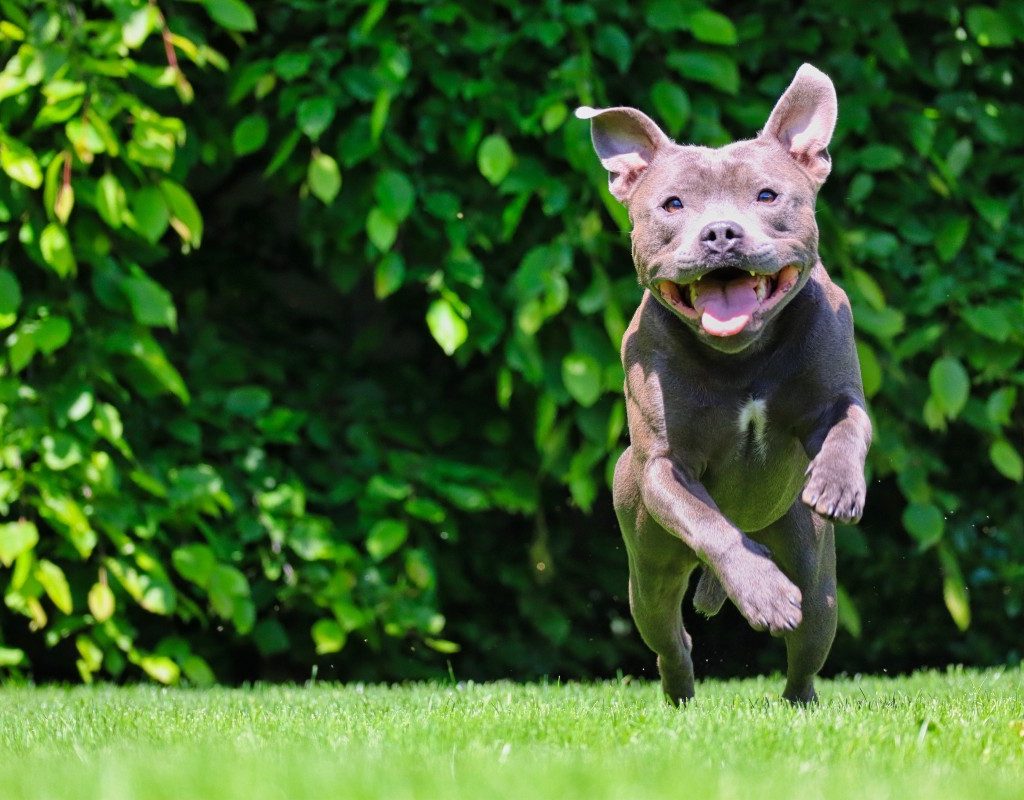
- They’re fearless-looking. Decades ago, people loved the pit bull so much the dog was a mascot in advertisements during World Wars I and II. Their gorgeous mugs and brave postures made them an obvious choice for national campaigns.
- Pit bulls are so fun. These playful pets will cherish any chance they get to go out for a walk with you or engage in a rousing game of fetch. If you’re looking for a playmate, a pittie could be your dream dog.
- They love you unconditionally. Pit bulls are very affectionate. Don’t be surprised if your pittie pup, who can weigh up to 120 pounds, thinks they’re a lapdog. Though they can be heavy, you’ll have a hard time resisting their desire to snuggle.
- Pitties are trainable. These dogs love their humans so much that they want to please them. This characteristic makes pit bulls pretty easy to train.
Pit bulls are some of the gentlest, most loyal dogs you’ll find. They’re also incredibly misunderstood. Stereotypical pit bull characteristics include aggressive behavior and a mean personality. A pit bull’s lineage is partially to blame for these misconceptions. The dogs are descendants of a bull-baiting breed, and people eventually bred them to fight one another. These days, they are lovable pets who do well in families and often get along famously with children. As with any dog, early socialization and training can give your pittie the confidence to adapt to any situation, including situations with other pets and strangers. Reward-based training is also fun for you and your dog and can increase your bond. Other ways to bond with your pit bull include playtime and long walks. Afterward, let your gentle giant sit in your lap (even if they weigh more than 100 pounds).