The best part of owning fish? You don’t have to settle on just one kind. Your aquarium can mix species, colors, and personalities. Many owners even include animals that aren’t fish like aquatic frogs and snails to keep it more interesting. With such a wide variety, though, it gets tricky keeping track of what everyone eats. Some fish like meat, others plants, some are bottom-feeders, others will grab food only from the surface. The risks of feeding your swimmers incorrectly are high since overeating leads to health problems and excess food in the tank disrupts the balance of your aquarium. To stave off all these issues, plan carefully and keep really good track of what you need to do when.
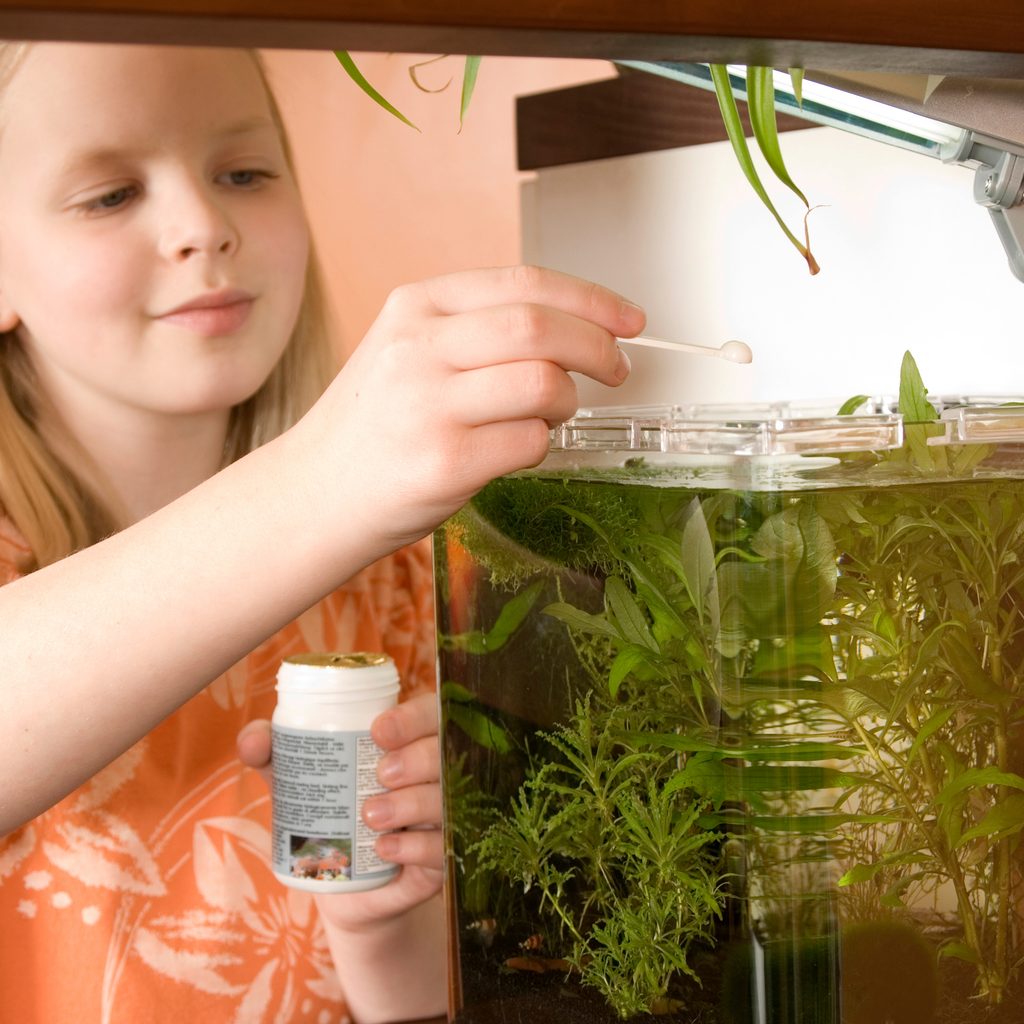
What do fishes like to eat?
Well, it depends. Lots of fish eat at least some veggies, and most of the pet fish in your tank are omnivores. A few species, such as silver dollars and some cichlids, eat only plant matter, so they’re herbivores. We can all think of predatory carnivorous fish like sharks and barracudas, though you (hopefully) don’t have any of those in your tank. Bettas and most tetras eat meat and do quite well in a good tank. Study up on the various diets of your fish before committing to caring for them.
How do I choose the right food?
It’s not enough to know if they eat plants, animals, or both; you also need some understanding of how they take their meals. Choosing the best food for fish at home involves dedicated planning before you even buy your new pets. Bettas, for example, want to munch down on floating pellets while catfish will mostly skim off the bottom.
Lots of aquatic animals eat algae, and you can grow this right in your tank or in a separate container and add it in. Rarely, you’ll own a fish who won’t take flakes at all but instead needs live prey. Think about these tank feeding regions carefully when planning your habitat.
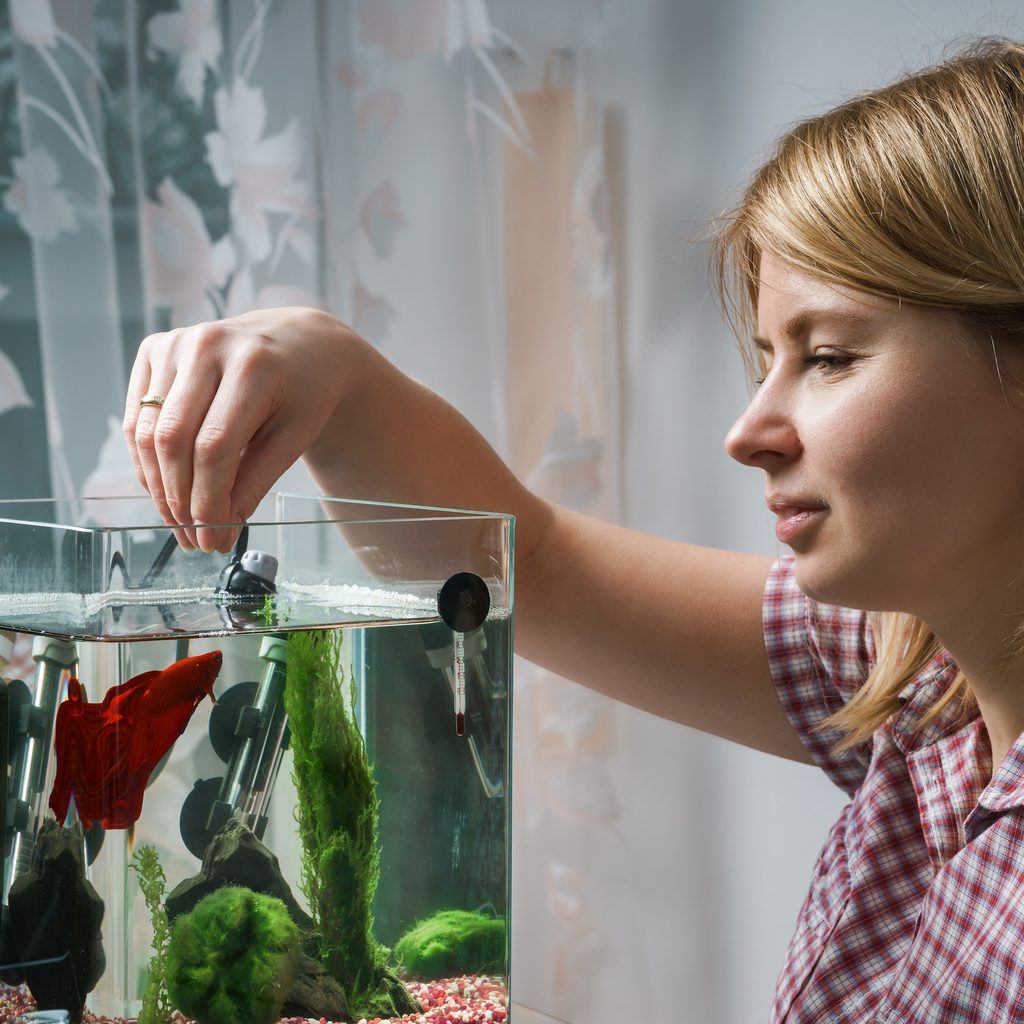
When should I feed my fish?
Most fish eat daily. Of course, you do not want to starve your pets, but overfeeding can also impact your tank and even kill fish. One of the biggest problems is excess food in the aquarium, which not only rots inside the water but also contributes to chemical imbalances such as excess nitrates. Research food quantities in advance but also pay close attention to eating habits of the little guys in your home. For algae eaters, track how much green grows naturally and supplement as needed. Be careful: Hungry fish can be more prone to aggression and other bad behaviors.
Why is a strict feeding schedule important?
When you go to put food in the tank, don’t just make sure it’s gobbled up. Watch to see who eats it. You can plan for this by getting fish that all mostly consume the same type of food, or gather those who won’t go anywhere near each other’s nibbles. Sticking to a strict routine will help ensure that each creature gets the right amount of nutrients and never misses a meal. Pull out any extra, especially if you notice it piling up at the bottom. You wouldn’t want old food on your floor, either.
No matter what types of underwater organisms you have, they’ll need to eat. Keep in mind that not all fish behave the same way — they will have a bit of their own character. You may bring home a betta only to find that he has no problem gobbling up food from the bottom even if it was meant for someone else. Make adjustments as needed and don’t be afraid to move a particularly voracious (and rude) eater to his own tank. Better to separate the animals before catastrophe strikes. The key is to find the sweet spot between hungry and gorging that will keep them happiest.