Herpetologists unite on October 21: Reptile Awareness Day! We’re looking forward to celebrating our scaly pets while spreading the word on their wild cousins and the difficulties they face. Sadly, there’s thousands of endangered reptiles and many “Evolutionarily Distinct and Globally Endangered” species out there. But it’s not too late. We can still do our part to save the snakes, lizards, turtles, and crocs of the world. Check out these 10 ultra-cool animals and learn more about how you can help them thrive.
Endangered reptiles
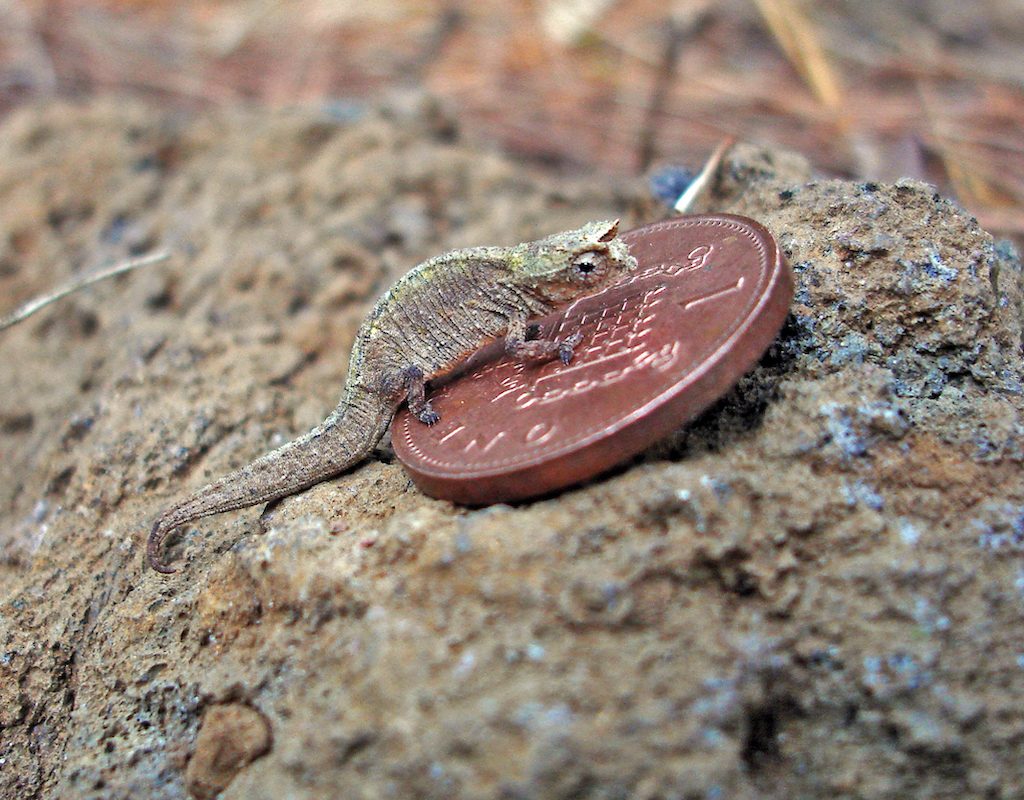
Minute leaf chameleon
We’re starting small, tiny in fact. This little guy measures about a 10th of an inch and just barely loses out as the world’s littlest lizard. He hails only from the forests of Madagascar, and as they shrink, so does his habitat. There’s one easy thing you can do here: make the case for ethically sourced pets. Some of these endangered cuties are still removed from the wild to become human companions, which decreases their numbers and genetic diversity.
Kemp’s ridley turtle
We’re keeping things on the little end with reptile number two since Kemp’s ridley is the smallest of all the sea turtles (though still 100 pounds). Sadly, they are also the most at risk. This beautiful swimmer lives in the Gulf of Mexico and along the Atlantic coast of North America. Fishing remains a constant threat — thousands of turtles get caught in nets and on lines every year. Keep track of where your seafood comes from to ensure no turtles were harmed during the process.
Williams’ dwarf gecko
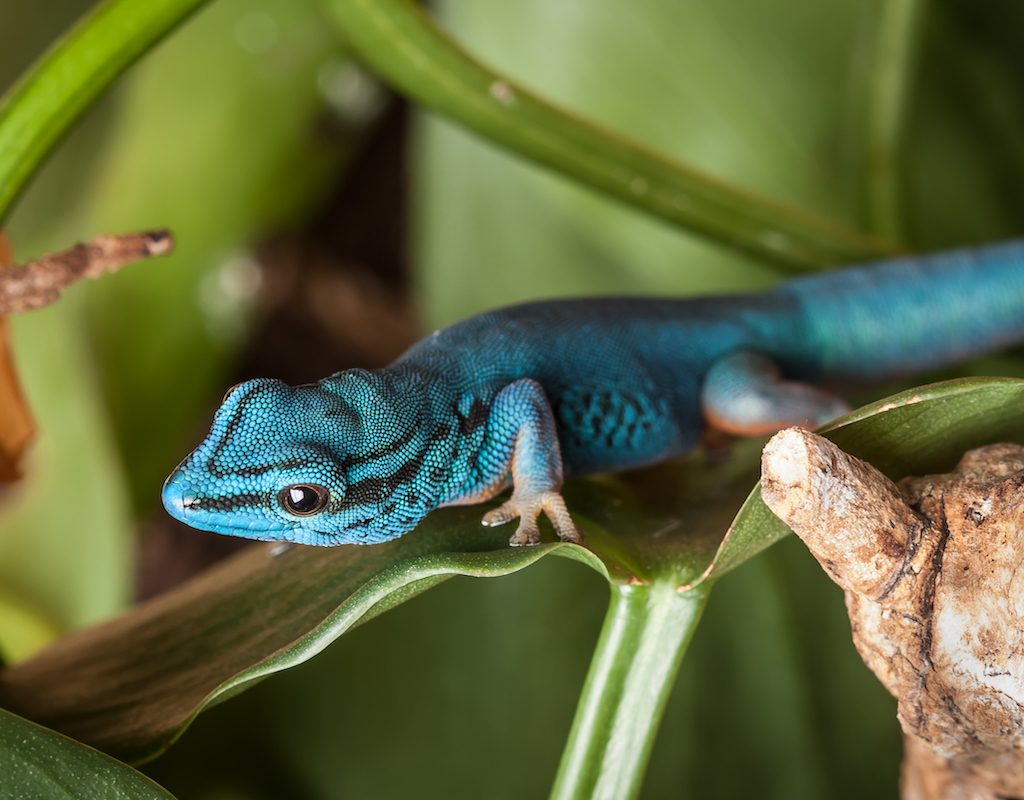
You’ve never seen a more beautiful gecko. Unfortunately, that’s partly why the species sits so high on the endangered list since they have been caught extensively as pets. On top of that, this particular reptile lives only in a small area of Tanzania, so he’s facing habitat loss, too. Any wild-caught electric blues are illegal, but they breed well in captivity if you have experience.
Cuban crocodile
This croc comes from, you guessed it, Cuba, and their relatively compact range makes it harder for them to bounce back. Right now, only about 3,000 purebred Cuban crocodiles live in the wild because humans have hunted them for their skins, which wind up as bags and boots. Make sure any crocodile leather you buy was obtained legally through farming and didn’t harm any of the few wild Cubans left.
Marine iguana
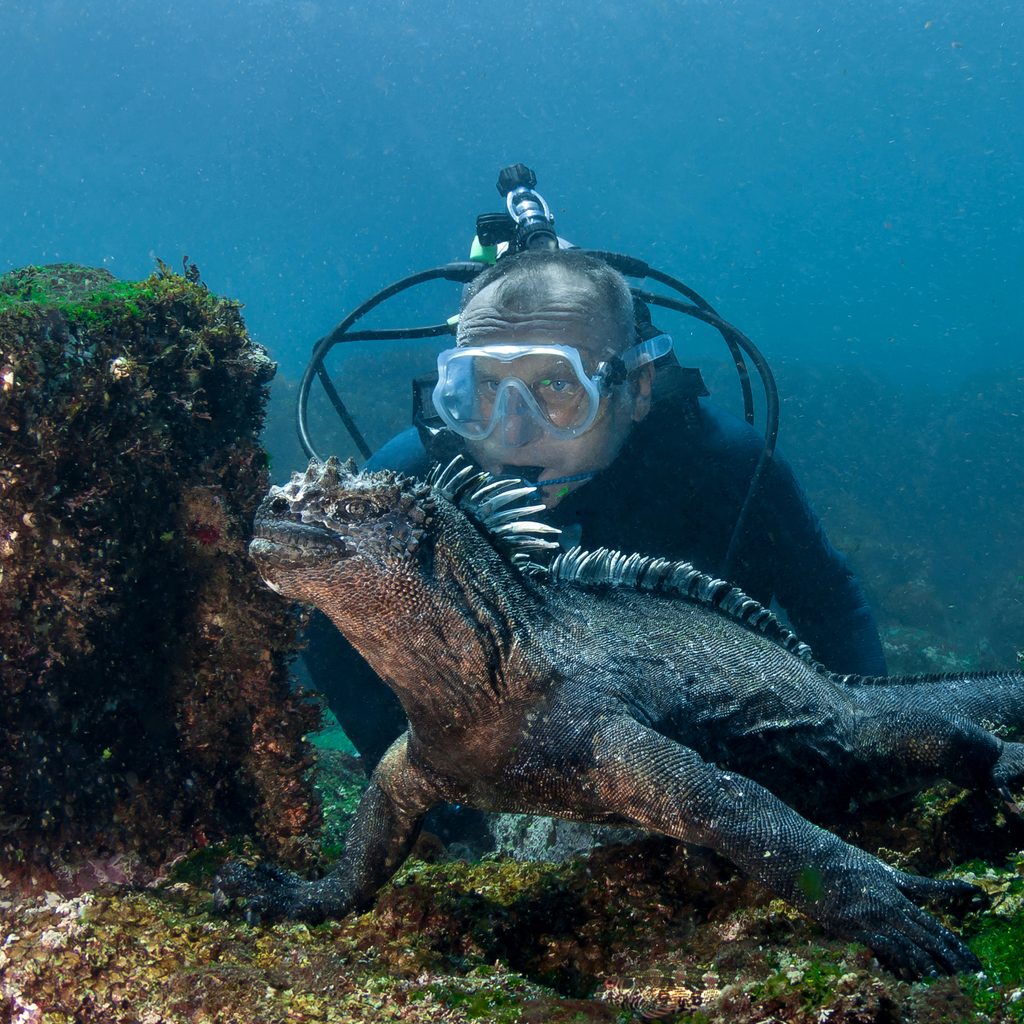
Although notoriously unattractive, this reptile still needs our compassion. Unlike their cousins who live in North America, marine iguanas survive on seaweed and algae, often eating it from rocks. They make up for their supreme awkwardness on land by being excellent swimmers and certainly fun to watch. Rats, cats, and dogs have become their biggest threat — even if the mammals can’t catch an adult, they love to eat the young and eggs. Marine iguanas aren’t photogenic, but you can embrace them by “adopting” an iguana and hanging his pic up on your fridge or posting it to your Insta.
Flat-tailed tortoise
The flat-tailed tortoise reminds us that not all wild animals make good pets. While his unique tail might look cute, captive individuals do not do well in homes. Luckily, breeding programs have been a success and have helped level off numbers even though the tortoise has lost nearly 70% of his natural habitat.
Gharial
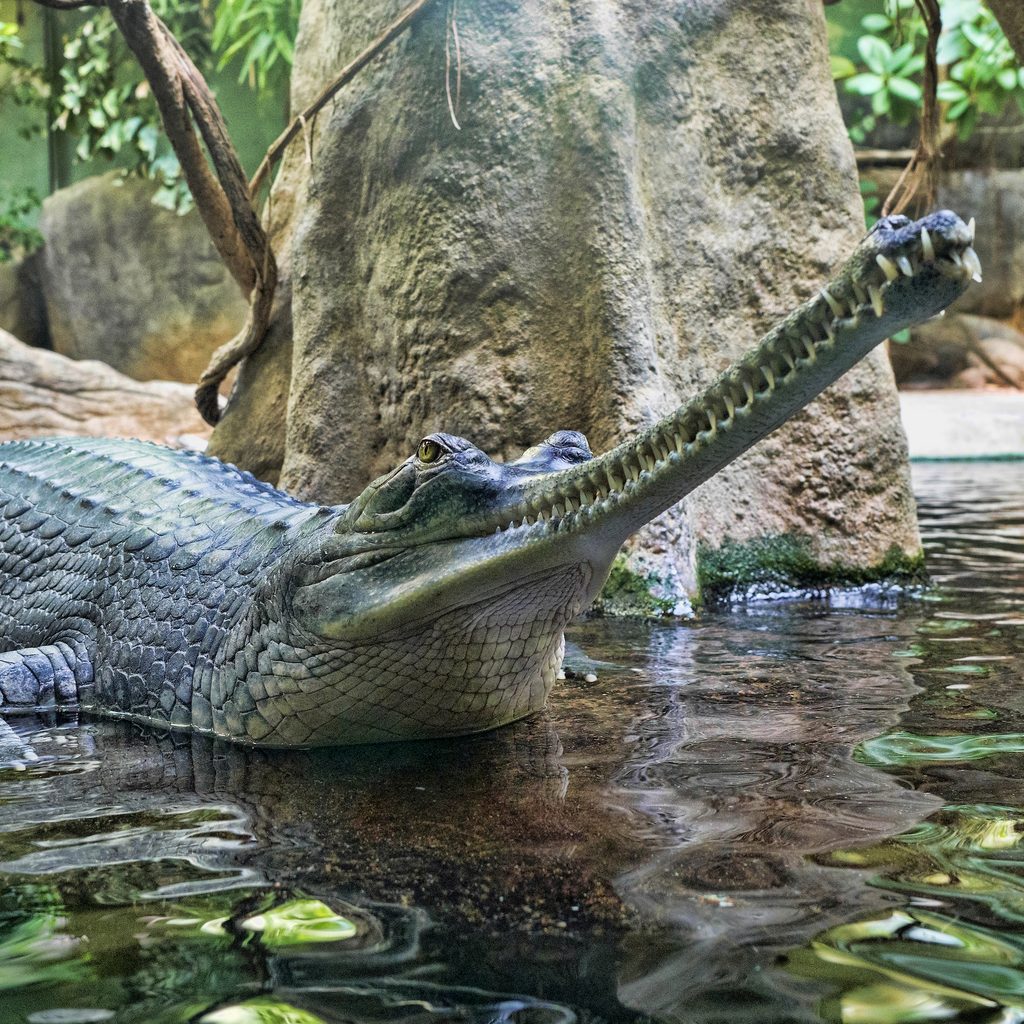
The 110 teeth look scary, but he really uses them only to eat fish. The gharial’s native to India and lives almost entirely in water, so recent damming has threatened his survival. Captive breeding has proven successful in the past, with zoos around the world participating, including in the United States. Hopefully, it will help replenish the rivers with this enormous-mouthed reptile in the future.
Leaf-scaled sea snake
As the name suggests, you’d swim into this guy while in the ocean, specifically off the cost of Australia. While thought to be extinct at one point, the snake was rediscovered living in sea grass, where it hunts for wrasse fish. Because they live entirely in water and more specifically in reefs, climate change and coral bleaching have probably contributed to their precipitous decline.

Madagascar big-headed turtle
This turtle’s alone in the world since no other species in the same genus survives, so the Madagascar big-headed turtle needs to be saved. Known for having a massive noggin, the lonely shelled creature lives in slow-moving water in Madagascar. There, he faces habitat loss and hunting from humans. But education and monitoring programs have stepped in to keep his branch of the tree of life around.
Round Island keel-scaled boa
Two really neat things about this snake: They have a completely unique jaw, and they change colors throughout the day. Once upon a time, the boa ran Round Island off Mauritius and even further, but the introduction of goats and pigs caused habitat loss. Luckily, removing these mammals has worked, and the boas and lizards of Round Island are starting to come back.
It can seem overwhelming, but there’s actually a lot you can do to help all these animals. Start by spreading the word, donating when you can, and educating the next generation about the importance of preserving the environment. It’s also crucial that all reptile owners know where their pets come from and support only good breeders. That way, we’ll still be able to enjoy the marine iguana’s weird eyes, the Williams’ dwarf gecko’s beautiful color, and the gharial’s funky snout for centuries to come.