Before you set up your first tank, you likely didn’t realize how much work went into maintaining the perfect ecosystem. In nature, we have the checks and balances of evolution to guide the delicate equilibrium, but in an aquarium, it’s just you. Learning how to clean, feed, and decorate takes time and research but will certainly benefit you — and your swimmers — in the end.
Since fish can’t tell you what they feel or even bark to let you know they need something, you’ll have to discover other cues to tell you something’s up. If you find your fish swimming at the top of the tank, take action right away. Here’s what to do when your fish spend too much time at the surface.
What does it mean if you see your fish swimming at the top of the tank?
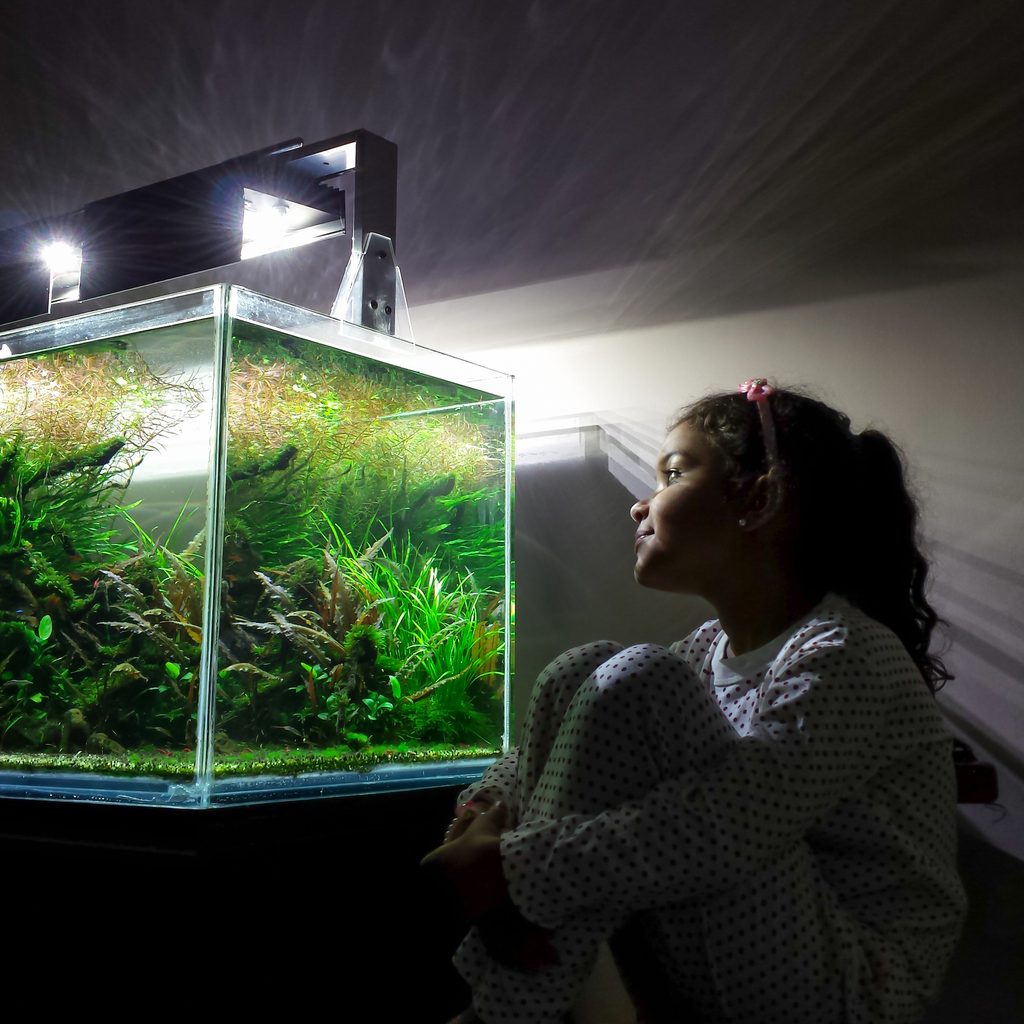
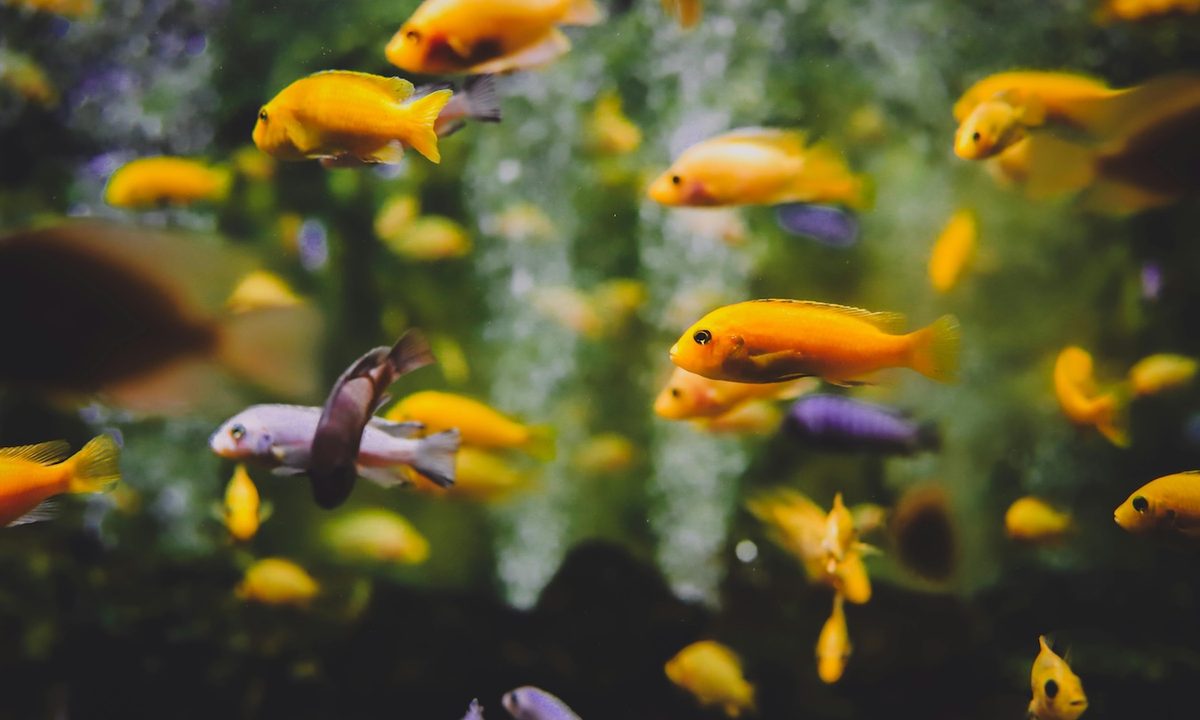
Usually, your fish go to the surface when they’re not getting enough oxygen. Unlike you, fish use their gills to breathe the air that’s already in the water. However, in some circumstances, there’s not enough oxygen in the tank for all the fish to breathe easily. To combat this, they swim up to the surface, where there is oxygen-rich water. You may notice some gasping or other signs of stress while they are up there.
Why is my fish floating at the top of the tank but not dead?
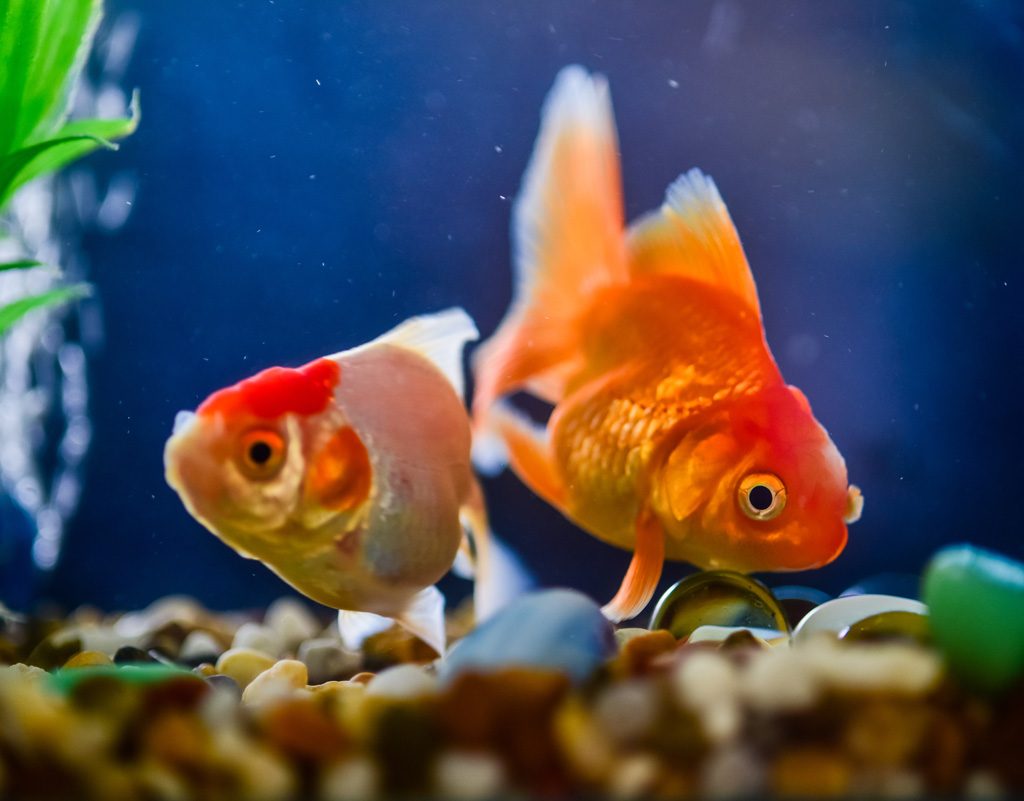
Floating at the top will look a bit different from swimming to the top for a quick breath of air. If your fish can’t seem to right himself, you likely have a bigger issue on your hands. This behavior is usually the result of swim bladder disease, and certain species (like goldfish) are particularly prone to it. The underlying cause can vary and you’ll almost certainly need an expert for an official diagnosis, however, stress frequently leads to this lopsided flotation.
Sometimes moving a fish to a new aquarium or bringing in an additional tank mate will lead to a floaty fish. Parasites and other gastrointestinal disorders can create the problem as well. Talk to a professional to figure out what might be contributing to the floating and go from there.
Can a fish recover from a swim bladder?
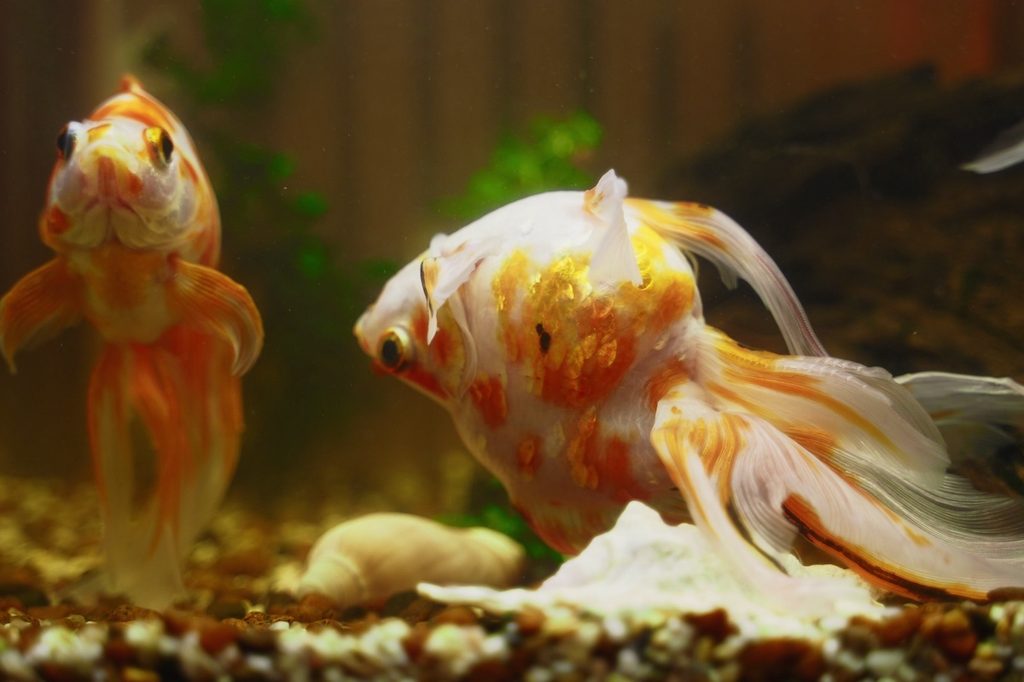
While swim bladder can be fatal, if you act quickly (and he has a mild case), you can anticipate a full recovery. Even though it’s not contagious, experts often recommend isolating the impacted fish carefully, as you certainly don’t want to increase his stress level. Fish in this state have trouble eating, and you’ll need to ensure that he gets enough nutrients, especially since it’ll help him get better.
In addition, work to improve the underlying problems, like water or food quality, and speak with a fish specialist before giving additional treatment. In some instances, though, you may provide antibiotics, conditioners, or Epsom salt via the water in his house. Expect your little fighter to show improvement in a week or two for a simple case of swim bladder.
How do you oxygenate a fish tank?
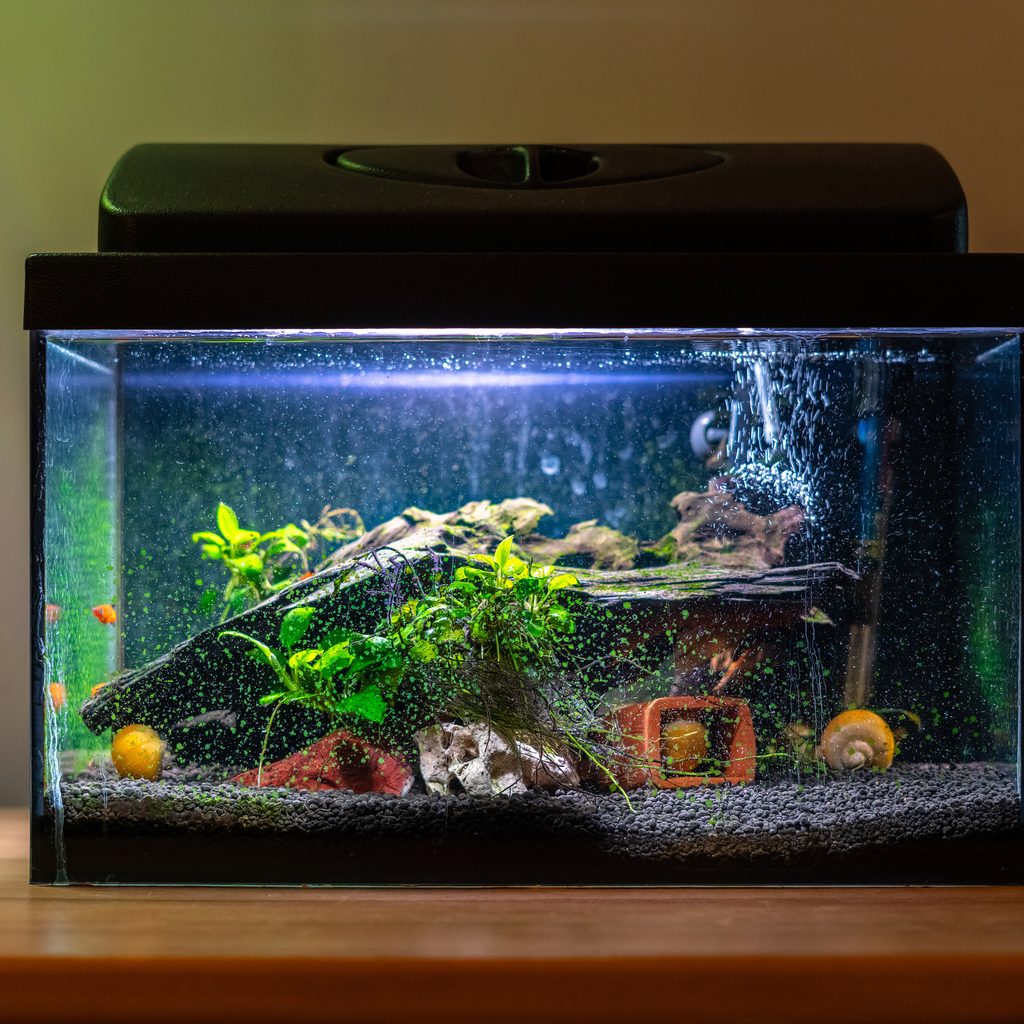
The basic solution is to keep your tank oxygen rich and also low in CO2. You can do this by moving the water a bit more with an air pump or fan, which exposes the liquid to the air and helps get it ready for easy breathing. Be careful not to negatively impact other factors like temperature (more on that in a bit). Whatever you decide, make sure you have a long-term solution in place or the fish will go right back to the top again.
Another thing to remember — one of the biggest concerns for aquarists is overcrowding. We recommend starting with one tank and a small school to manage so that you get the hang of it first. Once you feel confident, you can branch out. This includes carefully moving fish to a new tank if you have too many (perhaps they have multiplied), or if they’ve gotten too big. Pretty soon, you’ll wind up with multiple tank systems and plenty of animals to care for.
What to do when fish stay at the top of the tank
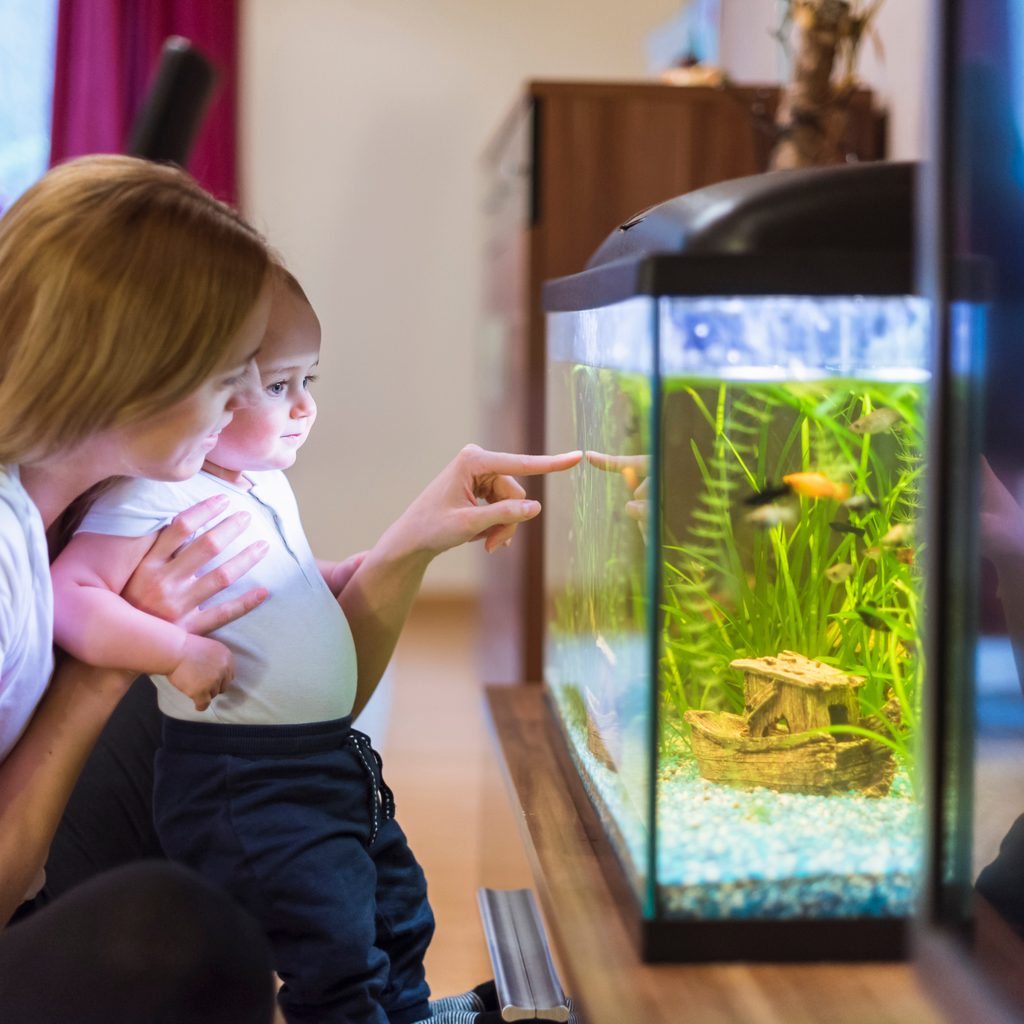
While it’s fairly serious if your tank-dwellers can’t breathe well, there are a few steps you can take to fix the problem straight away. You might also need to rethink your setup, once the initial emergency has passed.
Do a water test
You should be performing water tests regularly, including every time you change out some of the water. It’s important to check nitrates, pH levels, and ammonia to see if anything is out of whack. This usually happens when you’ve got a bigger issue in the aquarium, such as too many fish. It could also be a sign that you’re overfeeding and the excess food is rotting at the bottom.
You may need to take quick action with a partial water replacement to help bring your chemical levels down. In the long term, you’ll have to find a way to reduce waste; usually feeding less will do the trick. Also, look into adding live plants which will produce oxygen and remove excess nitrogen compounds naturally.
Check the filter
Your filter will help to remove some of the waste from your tank, though frequent cleaning and water changes are still very important. Add more elements (such as a bubbler) to increase the levels of oxygen, permitting the fish to breathe more easily. Examine your filter for any breaks and replace sponges or other old pieces. Lastly, make sure your filter system is big enough for your tank. You may need to purchase a larger one if you’ve recently added fish.
Install a thermometer
Yup, you read that right. Water temperature makes a big difference to the oxygen level in your fish tank because cold water holds more dissolved oxygen than warm water. That means you need to be particularly careful when the room temperature rises, either because of summer or your tank heater. You should track the climate all the time anyway to ensure it stays consistent.
If your fish are congregating at the top and you notice an uptick in degrees, try cooling the room or turning down any heat sources. You don’t want to make sudden, drastic changes though. Adjust the temperature incrementally so as not to shock your fish, and never let the water temperature fall below the recommended range. Move the tank if necessary, especially to provide better ventilation.
The bottom line on fish tanks
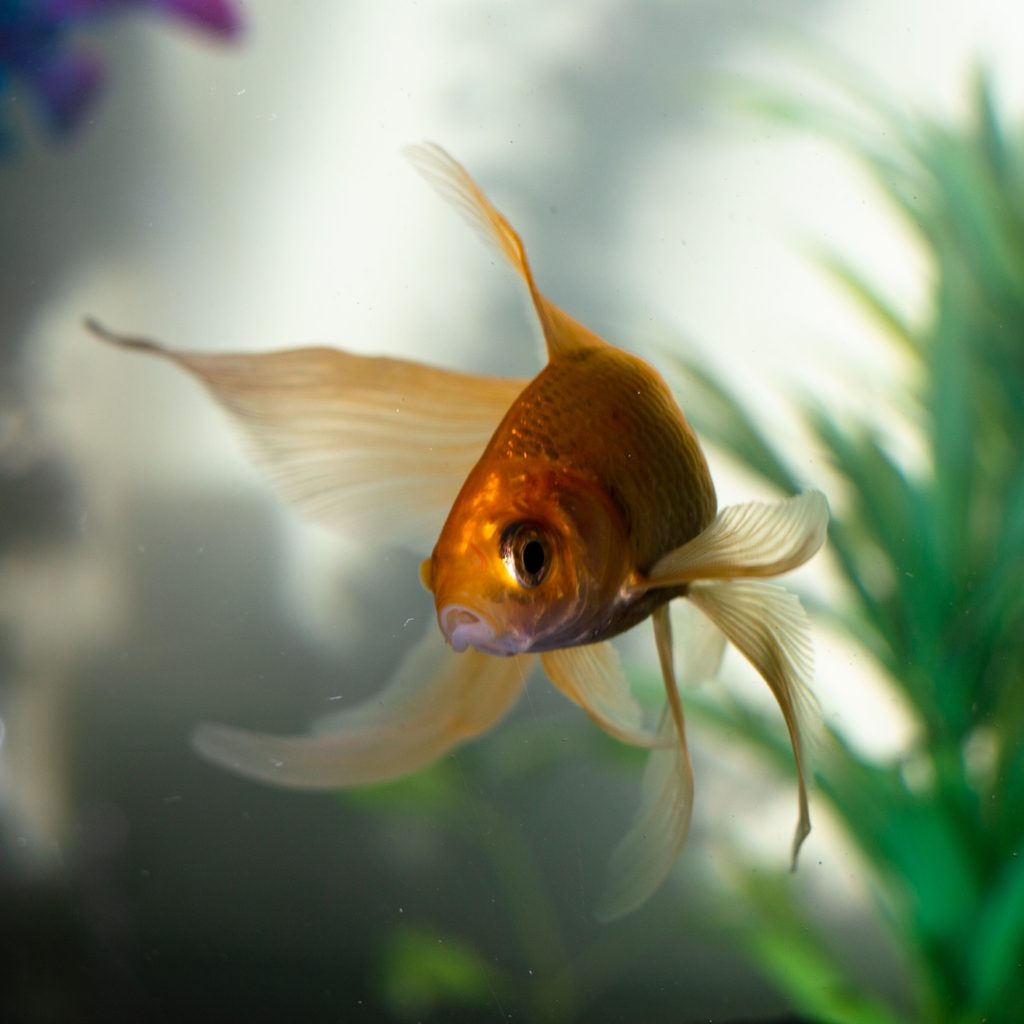
It can be tempting to dive into this hobby head-first and then wind up in deeper than you expected, but with a lot of care and a little bit of research, you will find yourself better prepared to look after your little scaled pals and know what to do should a problem arise.