You’ve become a proud aquarist — it’s a wonderful feeling to say the least. But just as with all pet ownership, you need to make sure you’re maintaining a good environment for your animals. If you had a hamster, you’d have to clean his cage, a cat and you’d be changing the litter. For your fish, you need to refresh the water periodically. But doing so too often will hurt your tank’s ecosystem and cause even more problems. If you want to maintain a good habitat and keep your hands relatively unsoiled, follow these steps for keeping your fish water clean.
How often to change aquarium water
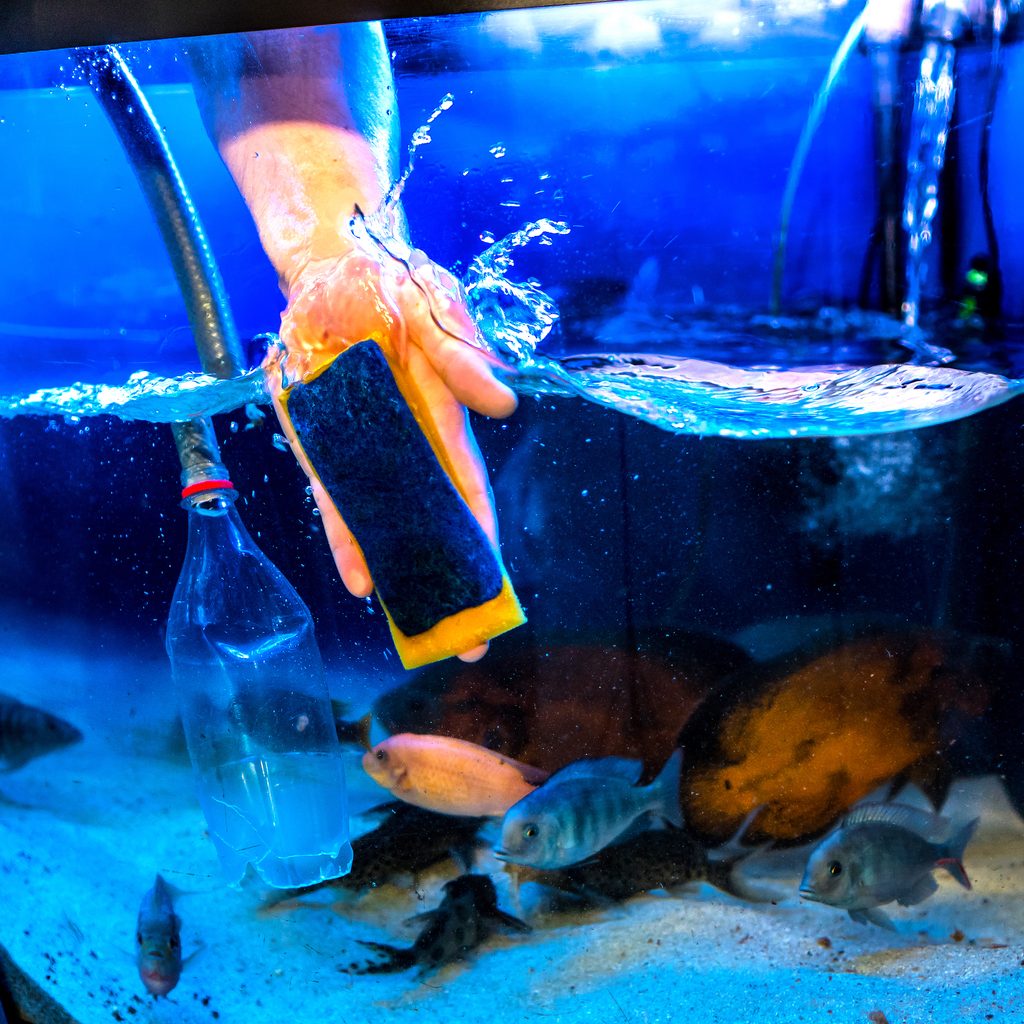
First things first: Don’t overdo it on the cleaning. It’s just as bad to change the water too much as not enough. About every week, you should do a partial water change, meaning getting out 10% or so. While you’re at it, vacuum or stir up the gravel to get the most out of your tank recycle. Remember that your filtration system actually does a lot of the work in keeping your tank hospitable to your favorite underwater creatures. It needs to get cleaned occasionally, too, so you should update, replace, and scrub that periodically as well.
While you won’t do a full tank clean frequently, every so often it will become necessary. When you first set up your aquarium, you’ll watch it go through the nitrogen cycle. This can give it a cloudy look for a few days or weeks, but then your ecosystem will settle into a sustaining level of all the various chemicals needed to keep the tank going. If at all possible, you should try to get away with partial water changes only, but sometimes you need to take the plunge and completely replace all the water.
How to change aquarium water
OK, but what if you really need to clean out your tank? About once per year, you’ll do a full tank cleaning, and sometimes it will become necessary to do it in between as well. Some problems can’t be cured by a partial water change or the filter, and you have to jump in (figuratively) to save the fish. When that happens, here’s what you should do.
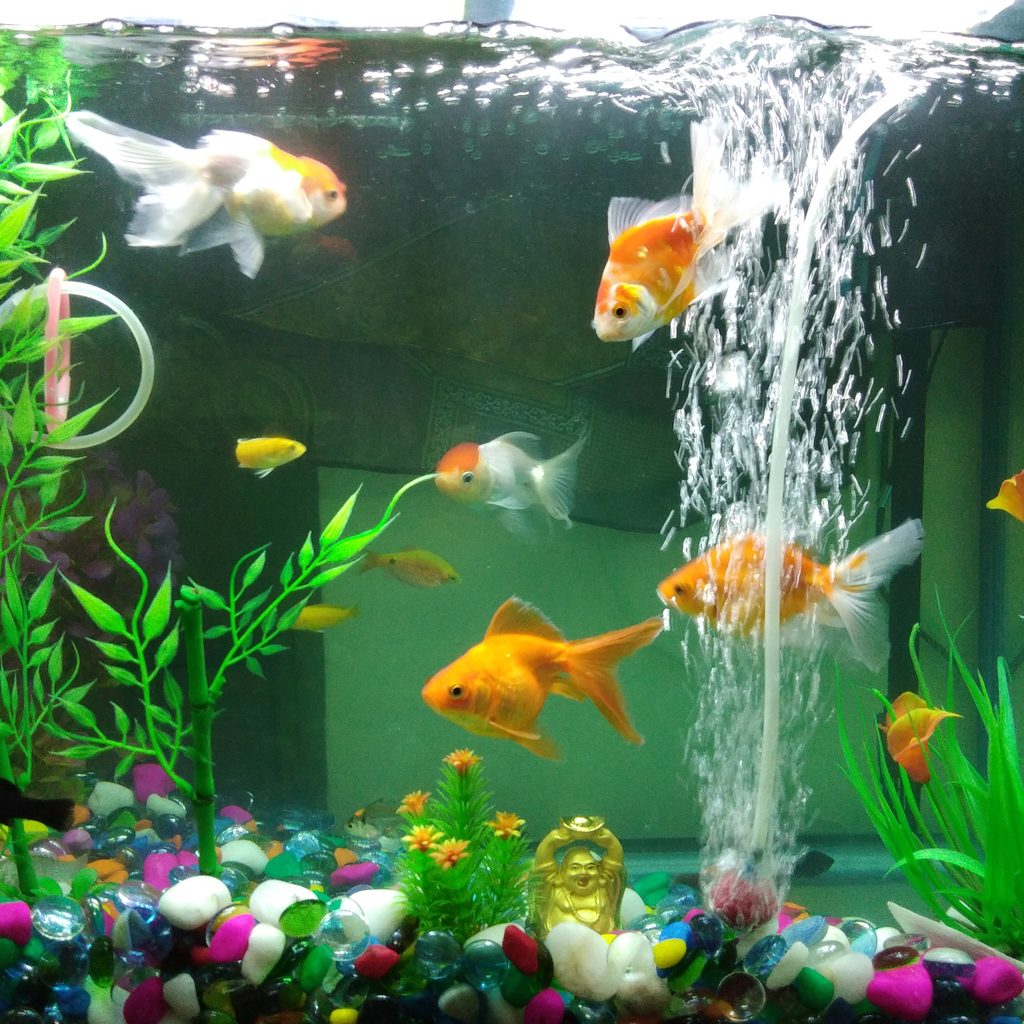
One of the best ways to track your tank is to mind your fish. Overfeeding and under-filtering frequently cause issues in aquariums since they allow too much waste to pile up, mostly in the form of extra food or extra poop. But don’t just rely on them as indicators. You need to test your water weekly to ensure it has the right balance. And look for obvious signs of problems like cloudy water and algae blooms.
Remove everything
You’ll have a much easier time of it if you have a backup tank ready to take your fish while you clean the main one. If this is just a routine cleaning, you can preserve some of the water in your backup aquarium with the fish. Make sure you bring the new water to temperature and take care of chlorine or other harmful additives. Get out the toys, plastic plants, and other accessories for a deep cleaning, too.
Clean surfaces
Everything will require a thorough scrubbing during this process. Disassemble filters and follow directions for washing, as each model is different and you don’t want to break anything. The rest of your tank just needs a little elbow grease. Use only fish-safe cleansers and let everything dry a long time so chemical smells dissipate.
Clean accessories
Everything in your fish house needs a good refresh, which includes all the gravel and any decorations. Some of these are even dishwasher safe, though you’ll run them without soap. As with the aquarium itself, you need to keep any tough chemicals away and stick with milder products. Leave these to dry along with the tank.
Replace water
You can start with the water your fish are in currently — from your backup tank or wherever else you’re holding them. Then, finish the rest with brand-new water that has been treated and left to sit, usually overnight. If you can get away with changing only out 50%, so much the better. Certain issues like some parasites require starting from scratch again, though.
You can do a few additional things to keep the mess down. Set aside a cleaning area such as the bathroom or the kitchen and put out towels while you scrub away. Use gloves and sponges so you don’t get slimed too much. Monitor the tank carefully once you put it all back together and test the water frequently for the first couple of weeks. Depending on how much water you took out, you might see the new-tank cloudiness again. If you find your water looks dirty a lot, consider upgrading your filtration system, especially if you recently added new fish. Then, the filter’s cleaning your aquarium, so you don’t have to.