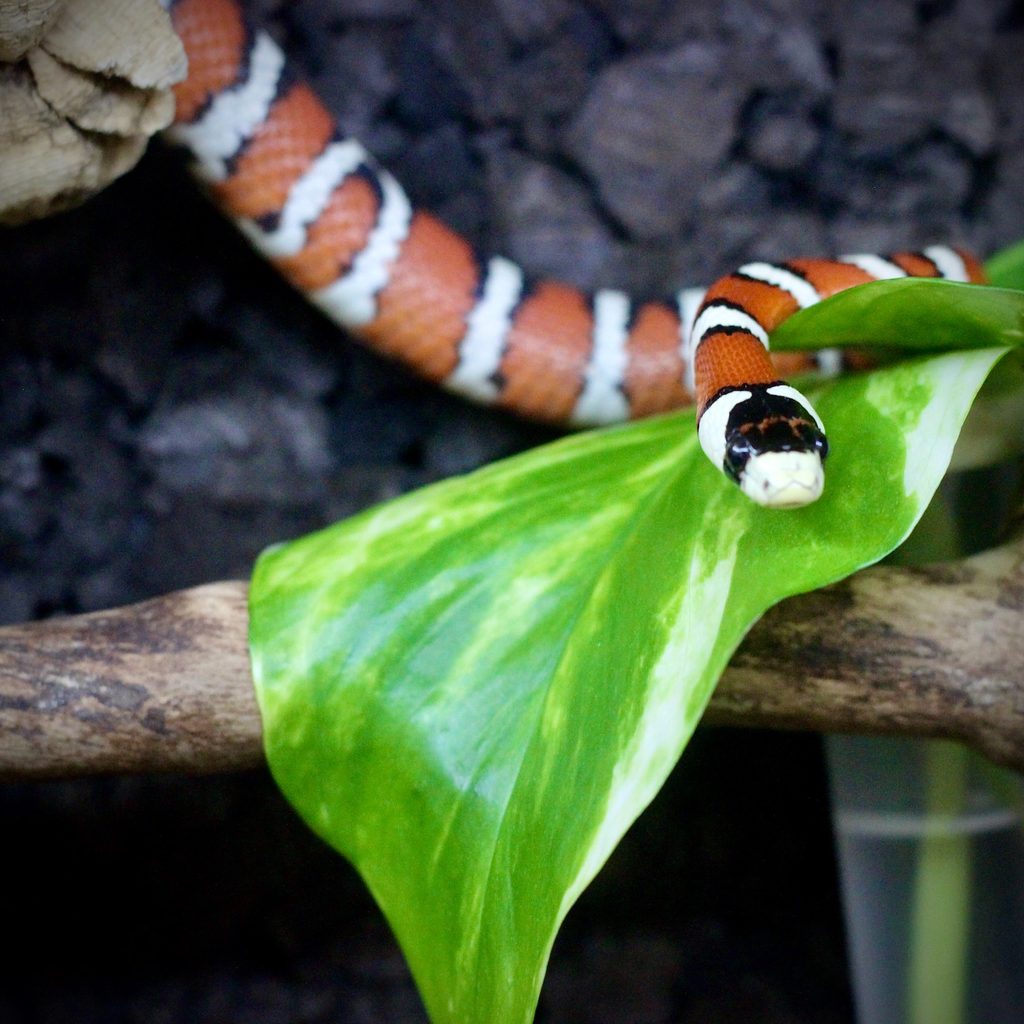
All snake enthusiasts know these charming creatures can make fantastic pets and friends, but they also have particular needs. One of the most important things you’ll ever do for your snake is set up her enclosure, which will vary based on breed and size. You’ll want to have this project completed before you bring her home since snakes can’t be left without the basics for long. Once you fashion her a nice snug snake habitat, you’ll be ready to bring her home and introduce her to your household.
Choose your enclosure
Of course, this habitat will change drastically depending on the size of your snake and the breed. For the average beginner snake, like a corn snake or a garter snake, you will need at least a 20-gallon snake aquarium.
Don’t be fooled if she’s tiny when you bring her home, as snakes grow pretty fast and she’ll fit into her new place in no time. If your snake outgrows her terrarium, move up a size. Really big snakes like pythons and boas need much larger enclosures, but we don’t recommend those pets for beginners. One more word of advice: Your animal will try to escape at some point. It’s not that she doesn’t like her home; she’s just eager to explore. Get a good lid that she won’t open and triple-check the latch every time you feed her or play with her.
Set up the environment
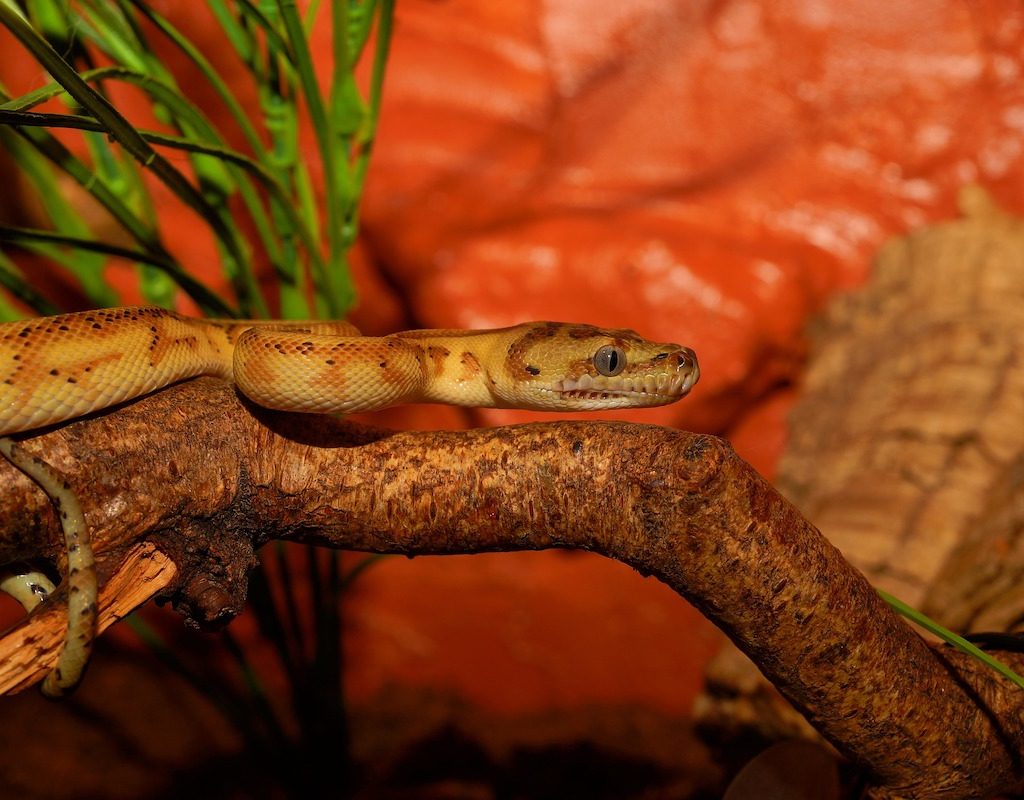
You might feel overwhelmed looking at the empty tank and knowing how much you still have to do. But break it down, piece by piece, and this becomes a surmountable task:
- Your snake is a natural burrower and needs a nice layer of substrate at the bottom of the tank. You can get this at any pet store, and it will probably consist mostly of wood chips, but may also include leaves and sand. Get a lot extra so you can change it often to remove her waste and keep the place clean.
- Then add some bark, rocks, and branches for her to explore. We don’t recommend bringing wood in from the yard: You may unintentionally introduce bugs or parasites into her home. (Rocks should be okay with a good, pet-safe cleaning first if you find smooth ones that won’t hurt her.)
Adjust heat, light, and humidity
You’ll need a few things to set the optimal climate for your snake:
- Heating source
- Two thermometers
- A hygrometer
Your new pet will like it a lot warmer than you do, so you should add a heating source like a lamp or a pad. Make sure you place the heating instrument on one side of her terrarium so that she can decide to lie out in the “sun” or spend some time at the cool end. Additionally, give her a little under 12 hours of light per day. It’s best to set up a timer for this, so you don’t forget to switch the light on and off. Certain breeds need a UVB light, but you should be good without it if you’re sticking with a beginner snake.
Install two thermometers — one on the heated side and one on the cold side — and monitor the temperature closely. You’ll want to keep the minimum at about 78 degrees and the basking area closer to 90.
Lastly, humidity plays a crucial role in snake shedding, but the optimal moisture level also varies widely based on the breed. Think of it this way: You’ve probably heard of desert snakes and water snakes, so it makes a big difference which type you have. Get a hygrometer to measure the levels and check both the room and the snake enclosure when you’re setting up. You can add water via a mister if necessary.
Add accessories
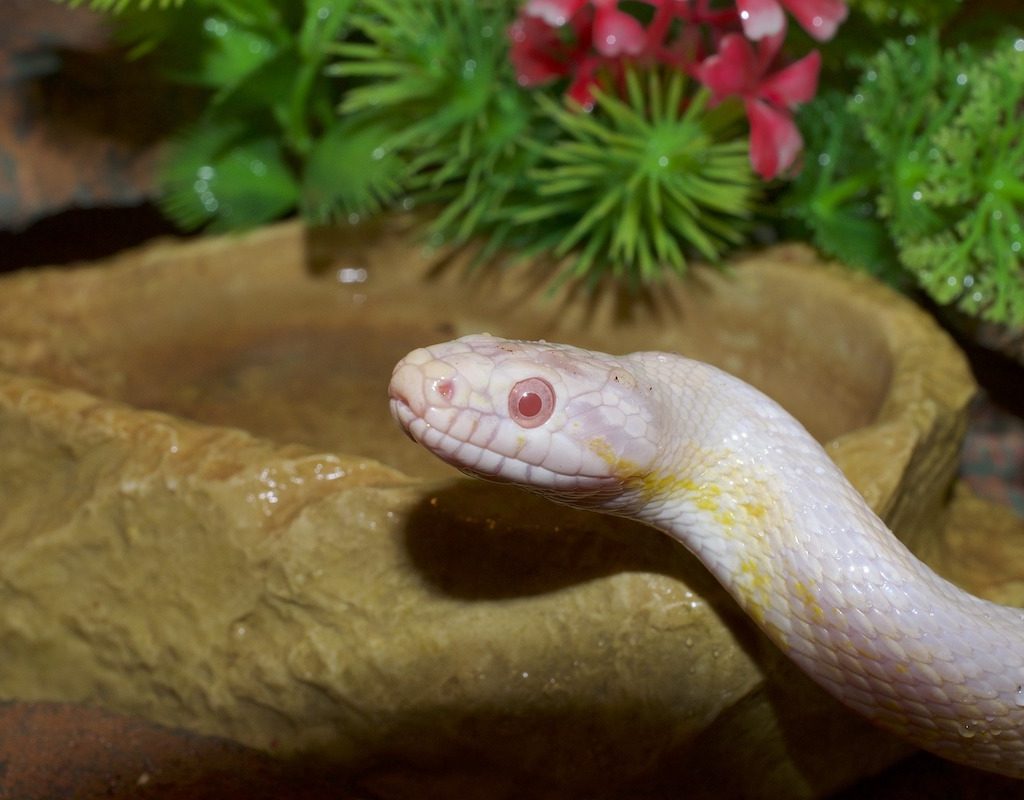
We like to call this the fun part. You’ve gotten the necessities down, and now it’s time to put in a little something extra. Think of this as interior decorating your snake’s home. What you put in will depend a bit on your animal, but most serpents will want somewhere to hide, like a small cave. You may also add plants to the habitat, provided you can still maintain optimal humidity. Remember, she’ll need a water bowl and a feeding spot, too, if you’re not using live prey.
While it may feel like a big project, you’ll surely have your snake’s terrarium set up and ready to go in no time. Keeping snakes in a main room can enliven your own decor as well. While the basics are necessary (your snake’s nothing if not particular), have fun with the decoration. Add some snake-themed figures, paintings, or books to the area to complete the ambiance. She might even enjoy looking at them.