You probably wouldn’t actually be able to recognize a turtle from a tortoise in the wild, but that doesn’t mean they’ll be exactly the same as pets. Each of these animals has their own unique needs when it comes to feeding, habitats, and behaviors. We bet you’ll find some pretty big dissimilarities in their personalities, too. While the overall difference between a turtle and a tortoise might not seem significant, here are some key features you should think about when deciding which one to bring home.
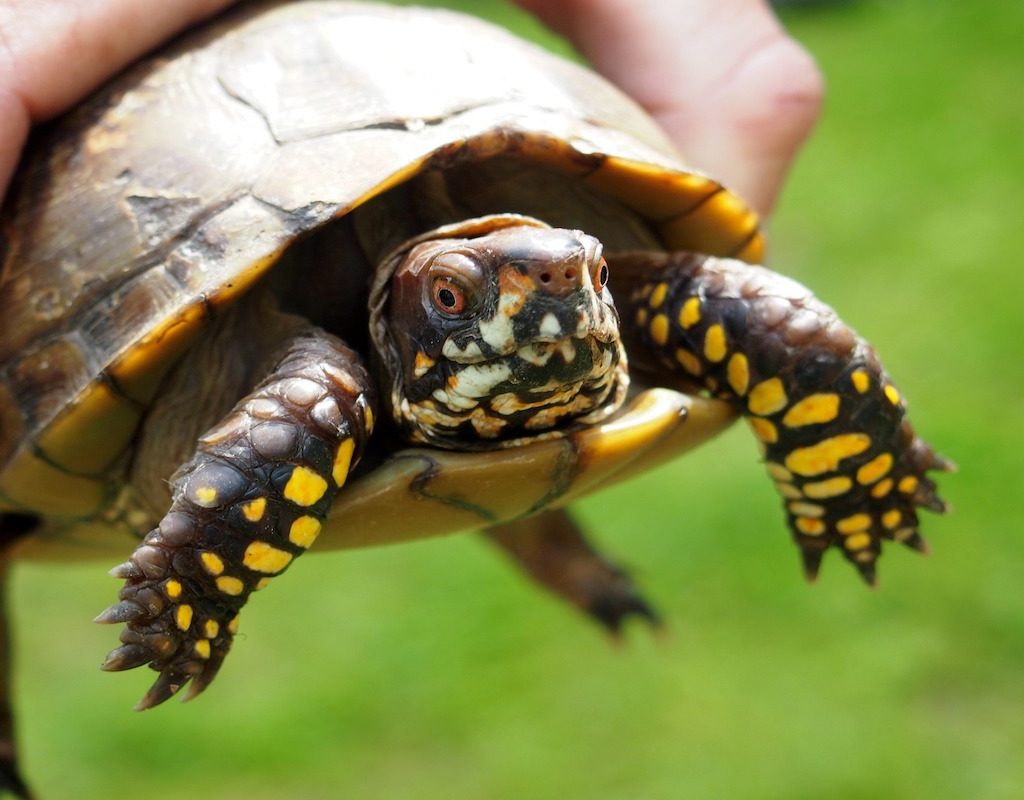
Turtles need a lot more water
It’s the most obvious difference between these two and the one you probably knew. Aquatic turtles spend almost their entire lives in water and will need a habitat that allows them to swim and bask throughout the day. Even terrestrial turtles need to have about half of their home dedicated to a swimming hole.
Tortoises, on the other hand, mostly use water for drinking and the occasional soak. Still, a pet tortoise should have a bath in water once a week or so, and of course will need access to water for drinking. If you aren’t looking forward to cleaning a turtle’s dirty water, a tortoise might be for you.
Tortoises are easier to feed
Stock up on leafy greens no matter which animal you choose to bring home. Both of these reptiles eat plants, and you’ll need to feed them lots of vitamin-rich leaves like dandelion, lettuce, or kale. While turtles really eat these only as supplements, they are the staple of your tortoise’s diet. Most don’t eat anything else and so will consistently need greens in the feeding area.
Turtles will absolutely eat their veggies, but their preferred food is higher in protein. They’ll need fish, insects, and worms to get enough nutrients. Many turtles enjoy eating live prey, and if you’re a bit squeamish, selecting a tortoise instead will remove this slightly unappetizing aspect of pet care.

Tortoises get bigger
Both turtles and tortoises might start out small, but they rarely stay that way. Don’t be fooled by the cute and little animal you see at the pet store. Tortoises in particular can reach over 2 feet in length and will need a large housing. If you want something smaller, a few turtles stay well under a foot, but they still need a 50-gallon tank to live in. If you adopt a baby, make sure you have an area big enough for when he grows up, even if you use a starter habitat at first.
Tortoises may be more affectionate
It’s easy to tell when your turtle or tortoise feels scared as both animals will shrink into their shell or find another way to hide. This proves heavily advantageous in the wild when they’re attacked by a predator, but they may do this around humans at first, too. It takes time for any pet reptile to warm up to their owners, and these animals are no different. However, once your pet gets to know you, you’ll find him to be engaged and affectionate.
Some owners think their tortoises enjoy more interactions, as turtles can seek out solitude. If you see your pet extend his neck, try stroking him and see how he responds. This will indicate to you if he enjoys the attention or just wants to be left alone.
Both require a lifetime commitment
Tortoises can live 100 years, so you may have to think about putting him in your will. Turtles also can live a good life — about 50 years. Either way, it’s a long time, and both of these reptiles need to be carefully planned for before being brought home. Make sure you have somewhere for your turtle or tortoise to go no matter what happens.
Because the turtle does not live as long, he might be your best bet if you’re concerned about who will take him in should he outlive you. Regardless of which animal you’re looking to get, think about adopting an adult animal who is being rehomed, which will cut down on the commitment and help out a family and pet in need.
When it comes to making a decision for your family, you have much to consider in the turtle-versus-tortoise debate. Every pet requires careful thought, and these animals need an especially long commitment. There’s no single right answer, and you’ll have to ask around and do the research to determine which will suit your family best.