Birds are some of the most popular pets for many reasons: They’re funny, smart, and pretty. But they also intrigue us because they do a few cool things that us mammals don’t. One well-known trait is the iconic head bob, which might make you instantly reach for your camera every time you see it. It’s certainly worth watching, but what does it mean? There’s actually a very scientific — albeit somewhat complex — reason behind this.
So, why do birds bob their heads? Basically, they do this to see better, but it’s a little more complicated than that.
What does head bobbing mean in birds?
It’s not something we notice consciously, but it’s actually difficult to see the world around us while we’re moving, whether that’s swimming, flying, or walking. Different animals have developed different ways to compensate for this. Think about it like the camera you might use to capture your birdie at its cutest. It takes a second for the lens to focus, right? The same thing happens with our eyes as we shift, either by moving our bodies or our heads.
In humans, we switch our lenses a teeny tiny bit to compensate, which allows us to maintain focus. Birds, on the other hand, with their super-long necks, have evolved a unique method for observing the world around them.
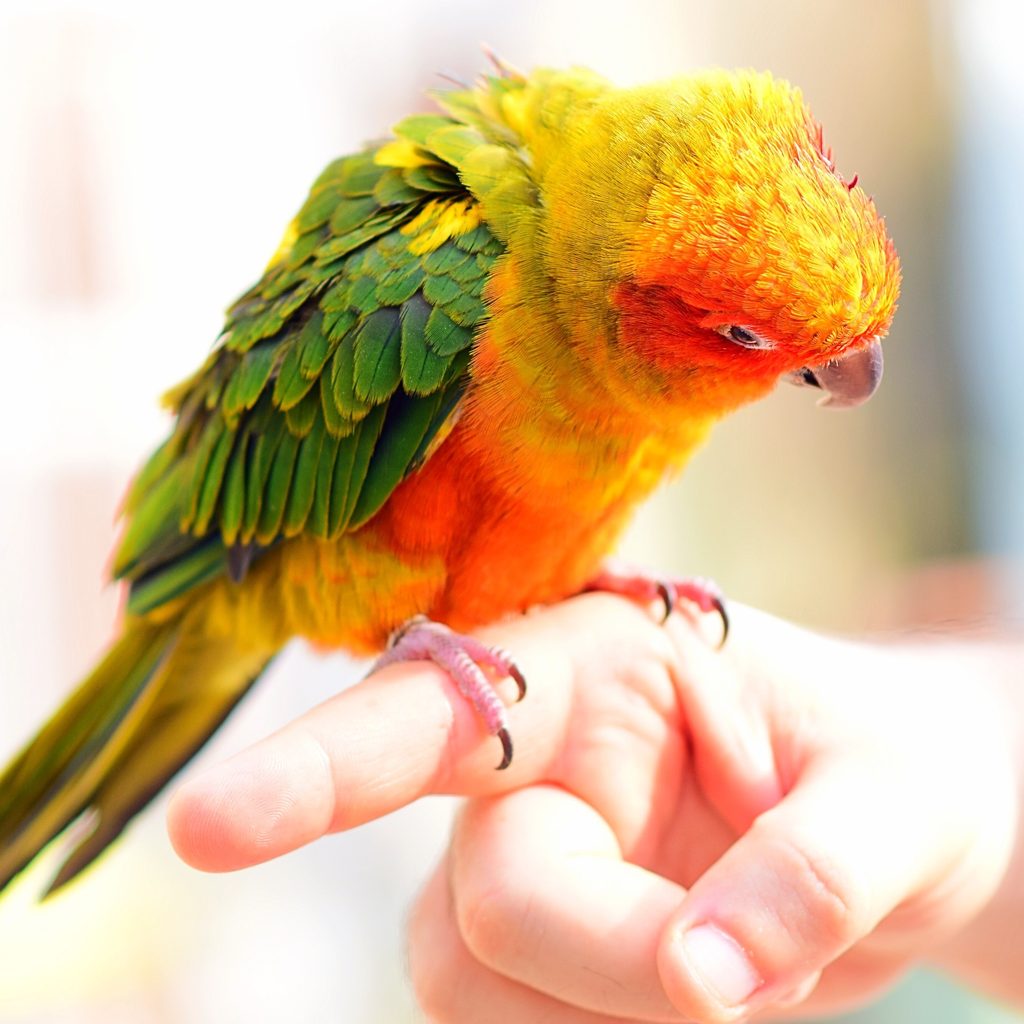
Why do birds bob their head up and down?
Instead of adjusting their eyes as people do, birds instead move their heads to see better. That’s right: the awkward head jerk is just a method of getting a better look at the world around them. There have been numerous experiments to understand this better (and you can watch one of them in action here). Avians jut their eyes forward to focus on what’s in front and then let the rest of the body catch up. They frequently do this move while walking or while trying to pay close attention to something.
If you filmed your pet and watched it in slow motion, you would see he isn’t really moving his head up and down either. The motion should mostly stick with a sharp push forward that might look like a nod to the naked eye at normal speed.
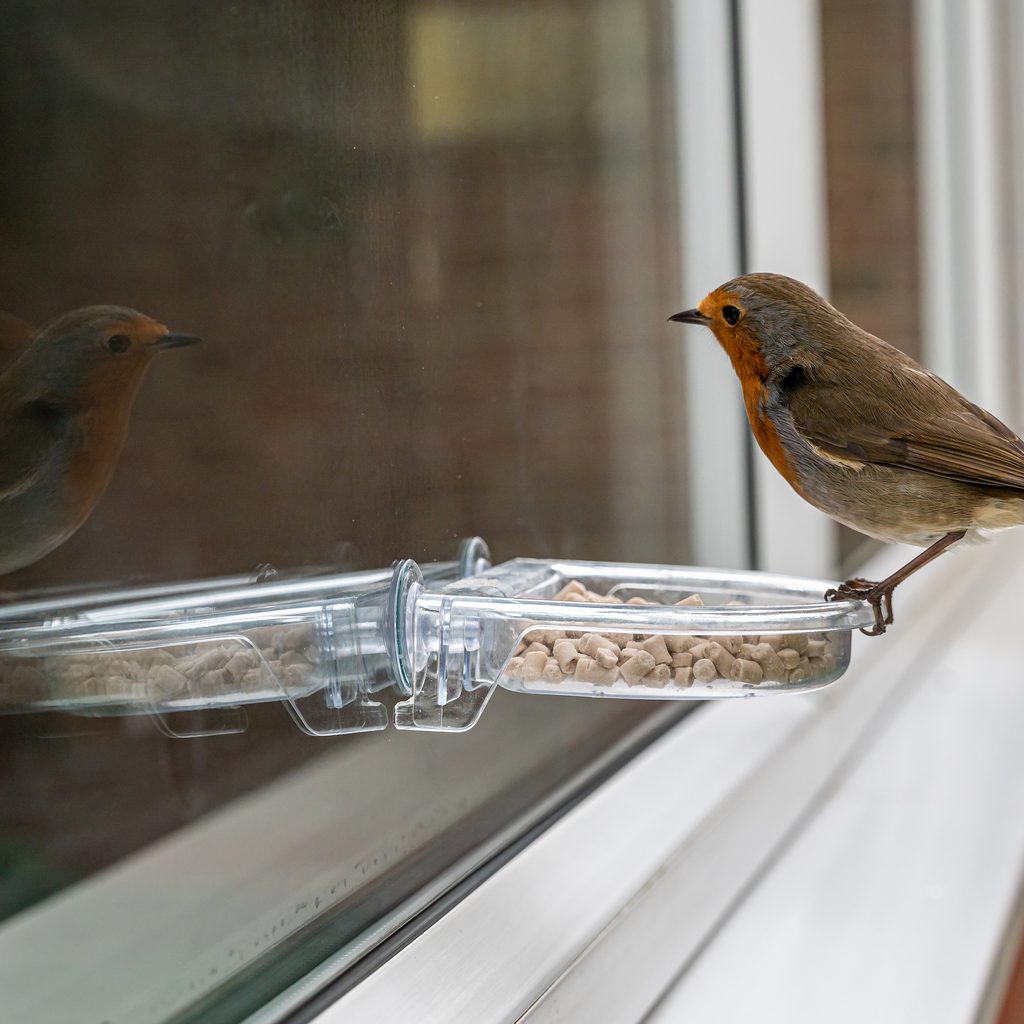
Do all birds bob their heads?
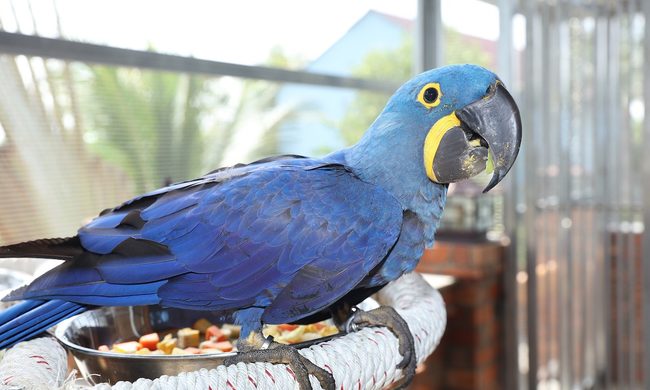
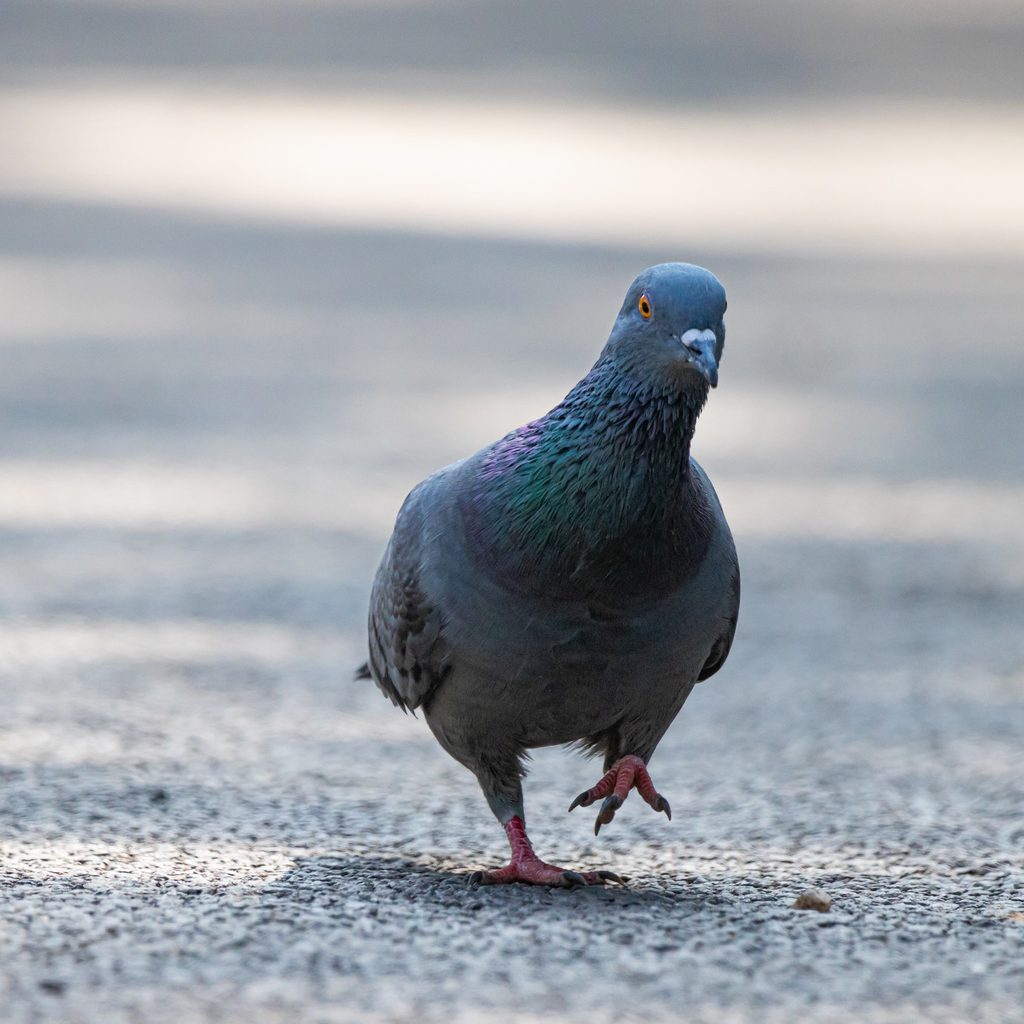
Actually, no. Most likely, it all comes down to stride length. The thinking goes that birds with shorter strides, and even shorter necks, don’t have much need for the head bob, since they aren’t traveling a far enough distance each step. In fact, many songbirds and others you spot out there will never do a head toss, at least not as we think of traditionally. That said, lots of our pets, like parrots, finches, pigeons, and chickens, will shake their heads as they move — and look adorable while doing it.
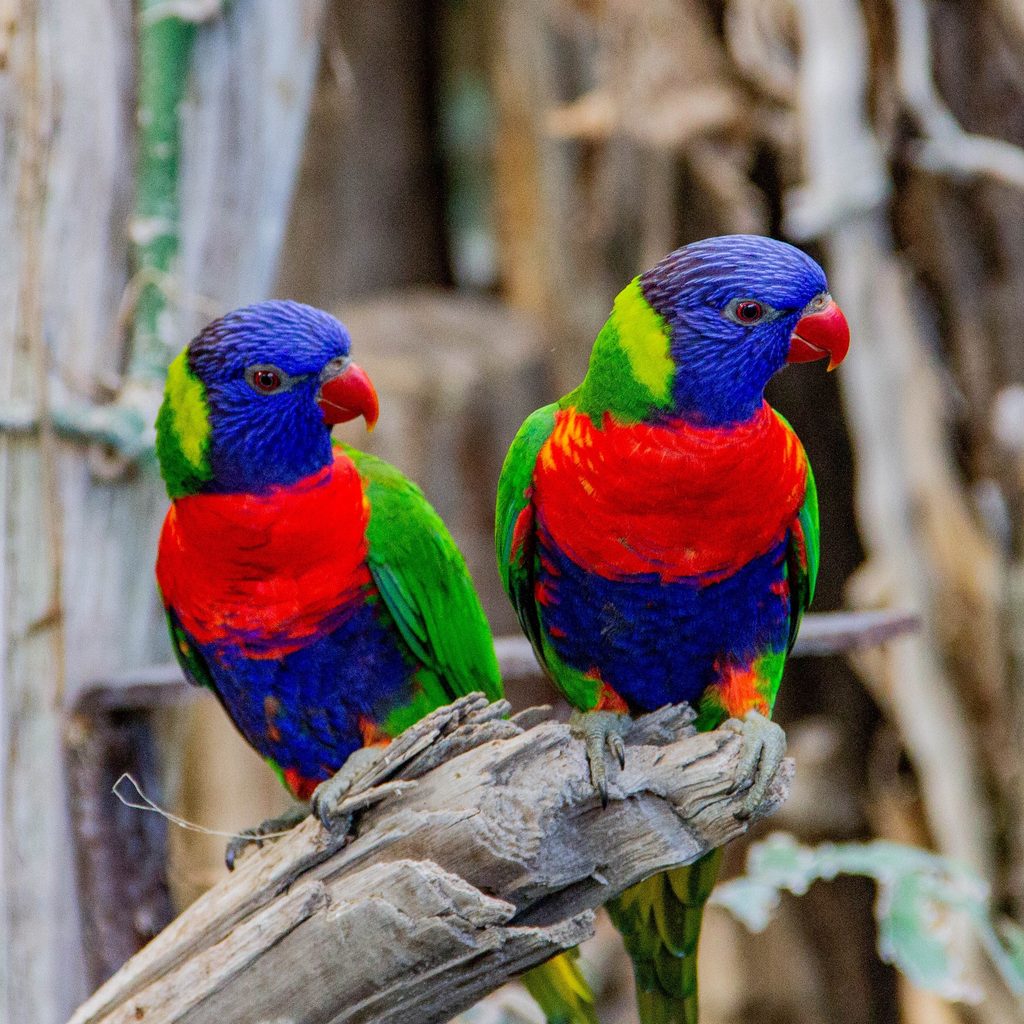
What else can head bobbing mean?
While it’s usually simply for a better view, a bobbing head is occasionally a sign of aggression. Geese in particular are prone to shaking their heads right before they attack. When you see this in a pet and it’s clearly negative, back up and give the little guy space. You also might spot some instances of birds incorporating head bobbing into their mating rituals.
Watch a few nature shows and you’ll notice male birds dance with their heads very proficiently, in part to show off their pretty feathers. While both of these explanations will certainly hold true sometimes, they’re less common than birds doing it simply to adjust their vision. Next time you see your little pet bird (or one on the street) bob their head, you’ll know what it’s really about.
In addition to the nod, you will also sometimes witness a bird tilt his head. This move helps him see the ground or something on it, usually food. Remember that birds don’t have eyes in front of their heads and instead have to move their skulls, not just their eyes, to see things we would spot right in front of our noses. On the flip side, with a slight tilt or turn, they can observe the world in almost 360 degrees, which comes in handy when trying to spot predators. And hey, if nothing else, it also makes a cool dance move!