When we left our offices in early 2020, it was only supposed to be for a couple of weeks. For many of us, we’re coming up on a couple of years of remote work. According to Gallup data, nearly half of U.S. employees worked from home either part-time or full-time in September 2021, and experts say it may be permanent. That’s good news for many humans — more than 90% want to be able to work from home at least part-time, even when the pandemic is eventually in our rearview mirrors.
Your cat may not be celebrating, though. We often joke about cats being aloof and not liking us, even though they actually probably do enjoy our company (just not 24/7). The truth is, cats probably hate their owners working from home. Having you around more over the last 20 months may have been rough on your feline friend. And here’s why and how they might be telling you to scram (sometimes).
Why cats don’t like their owners working from home
Your cat really (probably) likes you, but your constant presence may still be throwing her for a loop. The reason will depend on your cat, but these are a few probable causes.
Cats are creatures of habit
If you had your cat before the pandemic, you working from home likely disrupted the schedule she once enjoyed. Perhaps you’ve gone back to the office only to return to working from home during a surge in the virus. The lack of consistency might be causing your kitty to stress out.
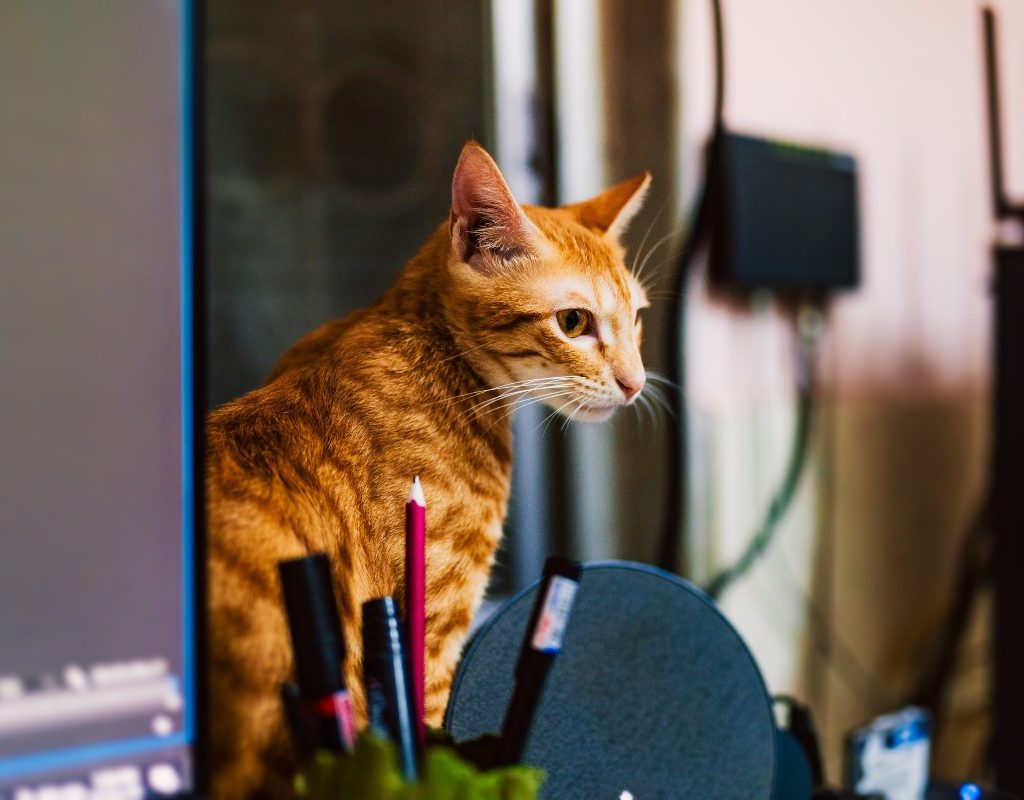
Even if you’ve been remote throughout the pandemic, your cat might have never completely adapted to having you around constantly instead of during specific hours. Maybe you are sleeping in, and therefore, you’re feeding her and cleaning her litter box later. You may have set up your desk by your kitty’s favorite window so you could have a view, disrupting hers and forcing her to find a new spot to bird watch every day at 10 a.m. on the dot. Your boss’s loud voice on Zoom calls may annoy her. Bottom line: Your feline friend’s world has been turned upside down, and that can be hard for a pet that thrives on consistency.
Cats desire privacy
Not all cats are as aloof as their cartoon caricatures may imply. However, unlike dogs, felines are not pack animals. They are independent and loners by nature. That doesn’t mean they don’t enjoy your nighttime snuggle sessions, but they may not be loving all of the extra affection you’ve bestowed upon them since you started working from home. Presumably, they miss the good ole days when they could take a mid-day nap or chirp at squirrels undisturbed.
Kitty may be picking up on your stress
Though many people love their remote working arrangements, the pandemic has been stressful. You may be balancing work and human kids or have had to deal with company layoffs (or even been laid off yourself). While your cat may not have the same vocabulary you do, she is in tune with your emotions, including tone of voice. She may be picking up on your mood changes and anxieties and feel stressed out herself.
How to tell if your cat is annoyed
You can’t read your kitty’s mind, and she can’t use her words to express her feelings. Instead, she’ll likely display certain behaviors to sound the alarm that she’s just not happy with your current employment situation. Common signs that something is up include:
- Begging for food
- Being clingier
- Chewing excessively, particularly on items not meant for her
- Behaving destructively, such as scratching your swivel chair
- Grooming frequently
It’s been a tough time for everyone
The pandemic has been unsettling and disruptive for all of us, and our cats aren’t immune. Remote work arrangements have been a silver lining for some people, but our feline friends may not share that sentiment. In fact, some cats despise that their owners are working from home. Their typical routine and coveted alone time have gone out the window (and your workstation may have blocked it). They could also be picking up on your pandemic-induced stress. If you notice your cat begging for food, urinating outside the litter box, or chewing on household items, they may be telling you they’re stressed. You can help them feel better by giving them space and providing them with plenty of toys and opportunities for exercise and play.