
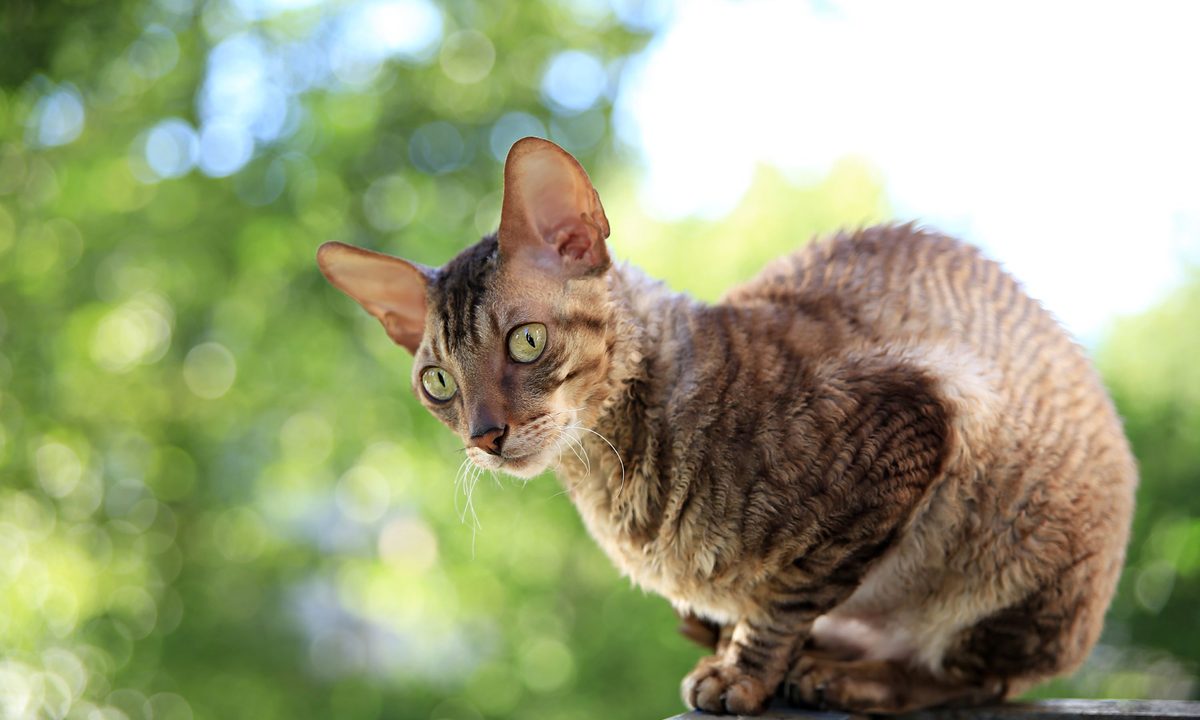
Cornish rex cats will steal your heart the instant you lay eyes on them. Their giant ears and penetrating eyes make them a favorite among kitty lovers. On top of looking adorable, these buddies have wonderful personalities that will thrill their owners (or Instagram followers) constantly.
But while you might find the Cornish rex to be your soul cat, they don’t work out in every circumstance. Before bringing one home, you need to learn more about them to get an understanding of how this particular beastie operates. Here’s everything you need to know about the Cornish rex.
Cornish rex history

This won’t surprise you, but these felines come from Cornwall in England. The interesting part is that their defining characteristic, the curly hair, occurred randomly as a spontaneous mutation. Luckily, the proud human mama instantly knew that her kitty had a unique trait worth preserving.
The OG Cornish rex, born in 1950, received the moniker Kallibunker and kept the line going, with a pair moving to the U.S. in 1957. Since then, they have taken off in popularity around the country. These days, they’re one of the most coveted special cat breeds. Unfortunately, that won’t help keep the cost down for you — far from it. Attaining one will set you back a few thousand when you purchase this pet from a reputable breeder, and you’re unlikely to find one in a shelter. Any time you go the breeder route, ensure that you do your research and inspect the parents and baby thoroughly to confirm that everyone was cared for properly.
Cornish rex personality
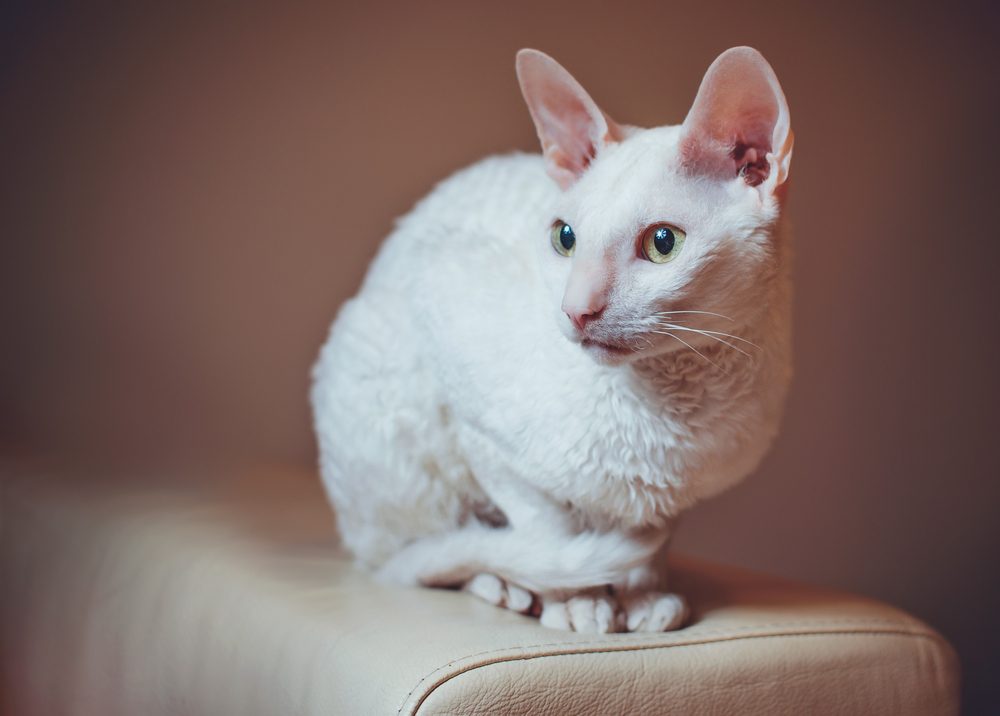
We promise you’ll quickly fall in love with your fur baby. This breed makes a name for itself as one of the most sociable and engaging pets. Once you bring home a Cornish rex, you will never do anything alone again. As an aspect of that personality trait, you can actually walk this little one on a leash and pick them up without protest. Since the average size is only about 10 pounds, you’ll have no trouble.
Luckily, that means the breed will love to be a fundamental member of a family. In addition to cuddling and spending time with the whole household, a few of these animals also want to talk to you occasionally (or constantly). Some Cornish rexes are quite chatty, though others will not vocalize more than any “normal” cat.
Cornish rex care
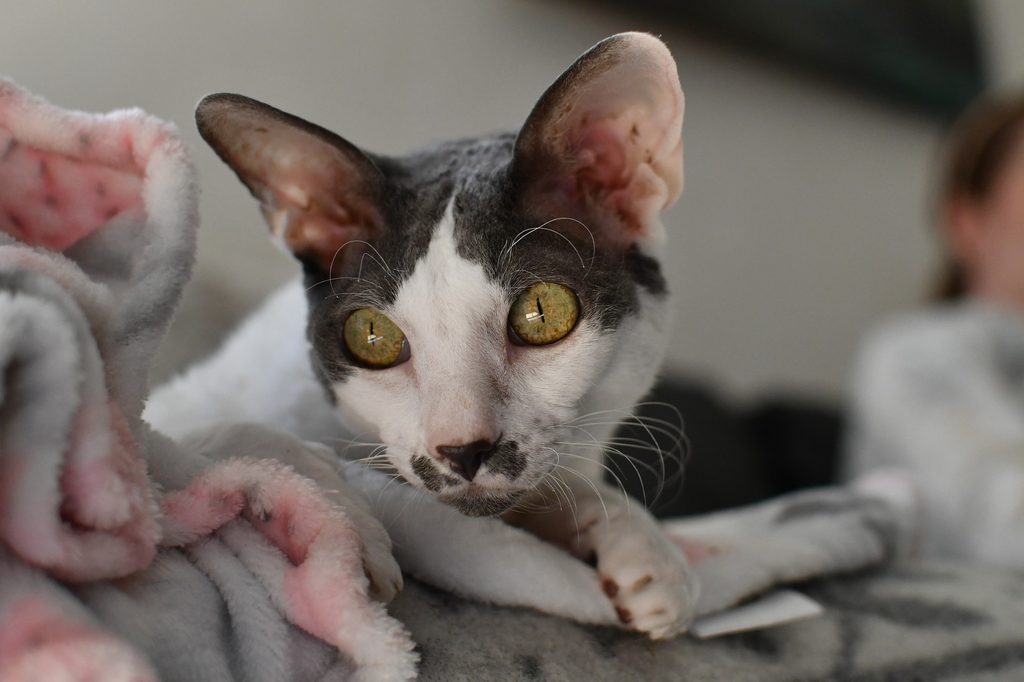
In part because of their exquisite beauty, the Cornish rex does require some special care. Read on for specific instructions so you understand exactly what you’re getting into.
Exercise
An important thing that we haven’t covered yet: These creatures love to play. They’re very athletic and require quite a bit more exercise than the average feline. Only commit to a Cornish rex cat if you can provide both the time and the space for them to run around and get those steps in. This should include plenty of toys and cat trees, along with interactive playtime. Some owners even opt to teach their kitty a few tricks.
Grooming
You’ll notice right away that the fur on a Cornish rex looks completely different from that of your usual cat. It’s curly and very fine, plus it looks absolutely gorgeous when well kept. These furry friends even work with many people who have allergies. For the most part, your pet will take care of their own coat, although you may need to lend a hand now and then. You can give them a bath and gently brush their fur. Lastly, because they have such little fur, sometimes they’ll need a sweater in cold weather — a great excuse to play dress-up.
Health
Your cat’s ancestors include Siamese, Burmese, British shorthair, American shorthair, and Havana brown. That’s actually good for their health status because you won’t deal with any of the common problems in certain breeds. Some Cornish rexes even live to 20 years old, and late teens shouldn’t surprise you. There are a few conditions you need to watch out for, including progressive retinal atrophy, hypertrophic cardiomyopathy, and congenital hypotrichosis. Luckily, you shouldn’t worry about any of these too much as they aren’t super common.
When you first learned about cats as a child, you may not have even known that they came in all shapes and sizes. Cornish rex cats take their place as a small but mighty representative of the breed. While they require at least some extra work, you will never again have a dull moment in your home. As long as you can provide the right amount of exercise, mental stimulation, and some light grooming, you will get an absolutely gorgeous and fun pet to rule your home and keep you company 24/7.