Finding the right cat litter for your home can make cleaning and maintaining your cat’s litter box easier. Many cat owners are tired of the downsides of traditional clay litter, including its price, weight, and the smell and mess that it can create. So, cat owners are making their own cat litter.
If you’re willing to invest some time, you may be able to make homemade cat litter and save money over traditional products. Below are a few options to consider.
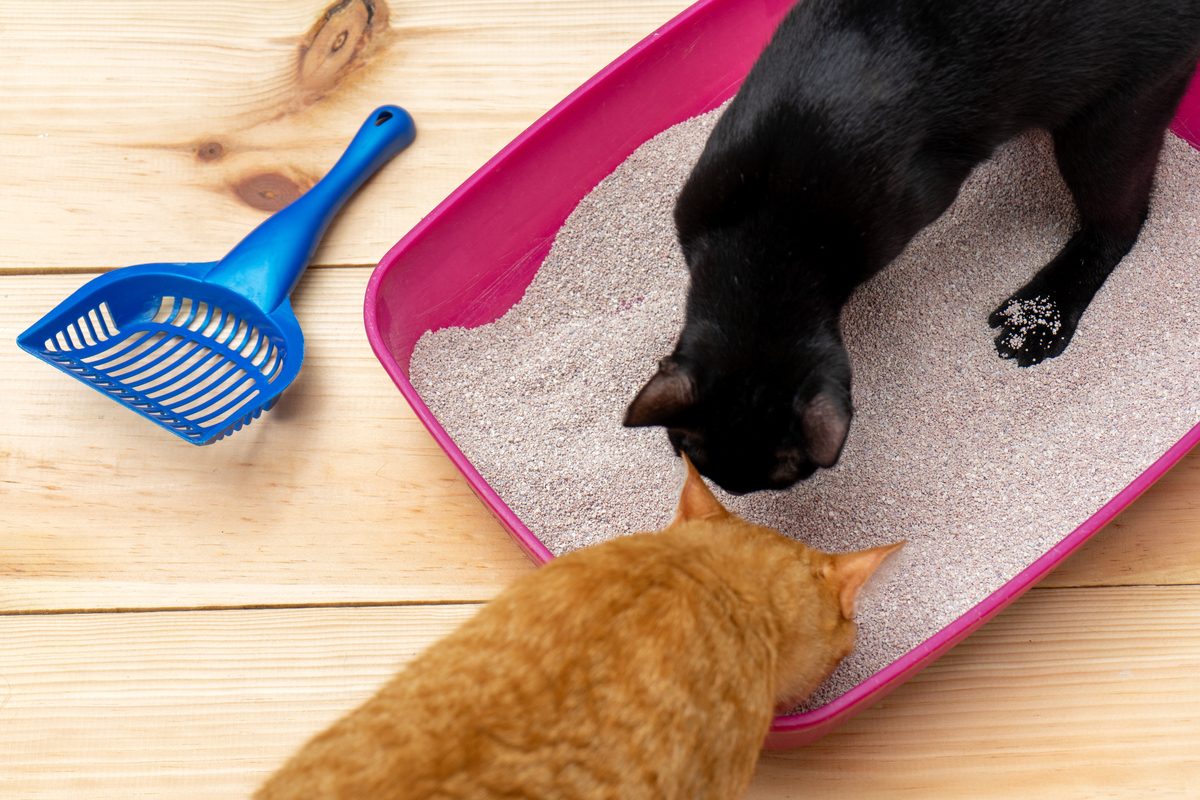
How to make cat litter from newspaper
One of the most popular homemade cat litters is made from newspaper. To start, you’ll need a large amount of newspaper, so you may want to ask friends and neighbors to save you papers. Be sure to remove any glossy advertisements or coupon inserts.
First, shred the paper with a paper shredder. Soak it in warm water and add a few drops of dish soap. The water will gradually turn gray and the paper will start to resemble oatmeal.
Drain the water and then soak the paper in warm water again, but don’t add any soap. Drain the water again, sprinkle baking soda over the paper, then knead it together. Squeeze out as much water as possible by hand, then crumble the paper over a screen or grate. Let it dry, and then it will be ready to use.
The soaking removes most of the newspaper ink, but this is definitely a labor-intensive process. The paper will take a few days to dry, so you’ll need to make plenty of litter before your cat needs it.
Cat litter substitutes
If you don’t have time to make your own cat litter, there are still plenty of substitutes you can use instead of traditional clay litter.
Sand
Play sand can double as cat litter. It’s affordable, you can buy it in bulk, and it simulates the ground that your cat would dig in if he were outside. You can mix in some baking soda to help reduce odors.
Sand can get messy, though. Because it’s much finer than clay litters, it’s easier for your cat to track it all over your home. You’ll want to invest in a litter mat to put around your litter box to trap as much sand as possible.
Pine shavings
Some cat owners use pine shavings in their litter boxes. Pine shavings are one of the most affordable options, especially when you buy them in large bags that are used as horse bedding.
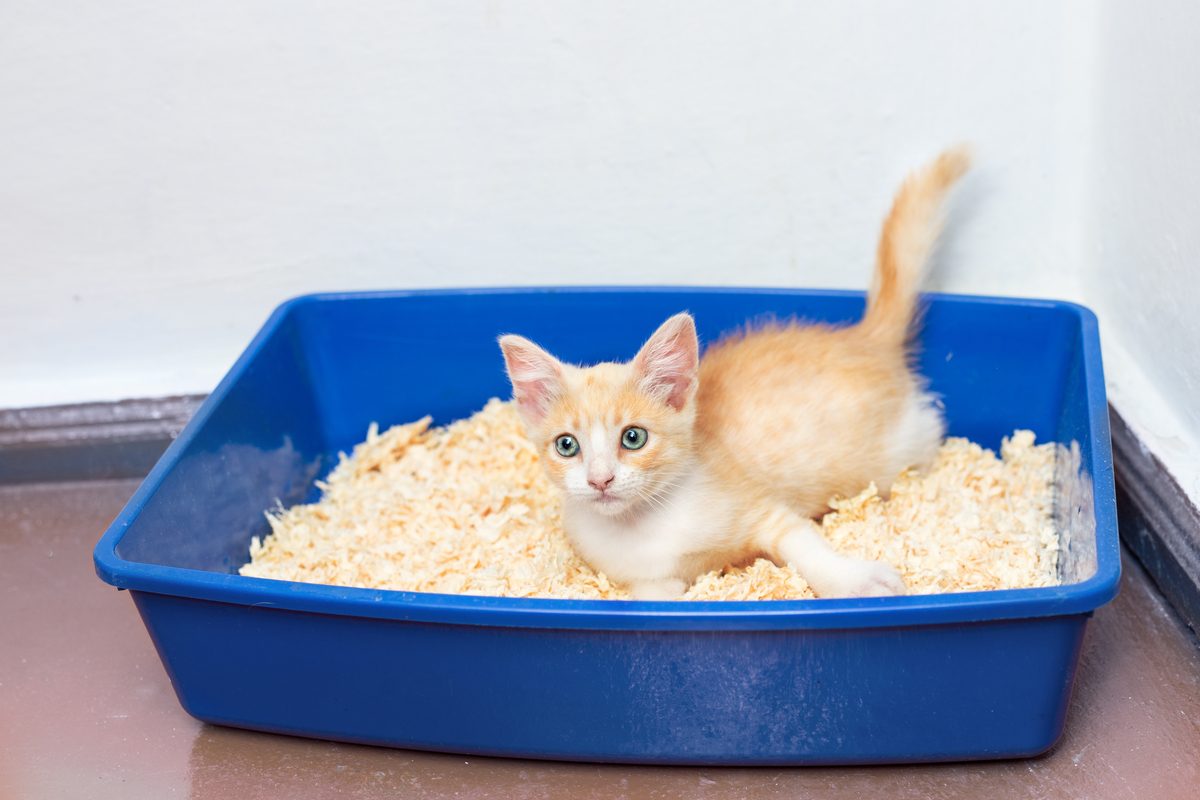
Shavings have a pleasant smell, but they’ll get dirty quickly, especially since there’s no clumping action. It can be difficult to scoop your cat’s box daily without removing lots of shavings. Shavings also tend to be dusty, so they may not be the right choice for homes of people with allergies.
Chicken scratch
Alternatively, you might want to try using chicken scratch as cat litter. Chicken scratch’s texture is similar to clay litters, and its larger pieces are less likely to scatter all over your home.
Scratch has some downsides, however. Because it’s made of foods like corn, it can attract bugs or mice. It’s also one of the more expensive options, but you may be able to economize by buying it in bulk.
Consider commercially available litter alternatives
If you’re thinking about making your own cat litter because you don’t like using clay litter, there are commercially available litter alternatives that might be just right for your needs. Today, cat litters are made out of many materials, including corn, newspaper, walnut shells, coconut, and paper. These litters are ready to use, so no mixing or shredding needed. They can save you time, and you won’t be dealing with the mess or smell that’s common with clay litters.
Successfully introducing new cat litter
Homemade cat litter will have a texture that’s new to your cat, and it may take some time before he accepts the new litter. To successfully transition your cat to your homemade litter, start mixing in small amounts of the new litter with his old litter. Gradually increase the amount of new litter while reducing the old litter. If your cat shows reluctance to use the litter box, stop the process and reintroduce some more of his older litter. You can gradually restart the transition process.
Some cats are very picky and may never accept certain types of litter. Try experimenting with different products until you find one that has the smell and consistency that your cat prefers.