
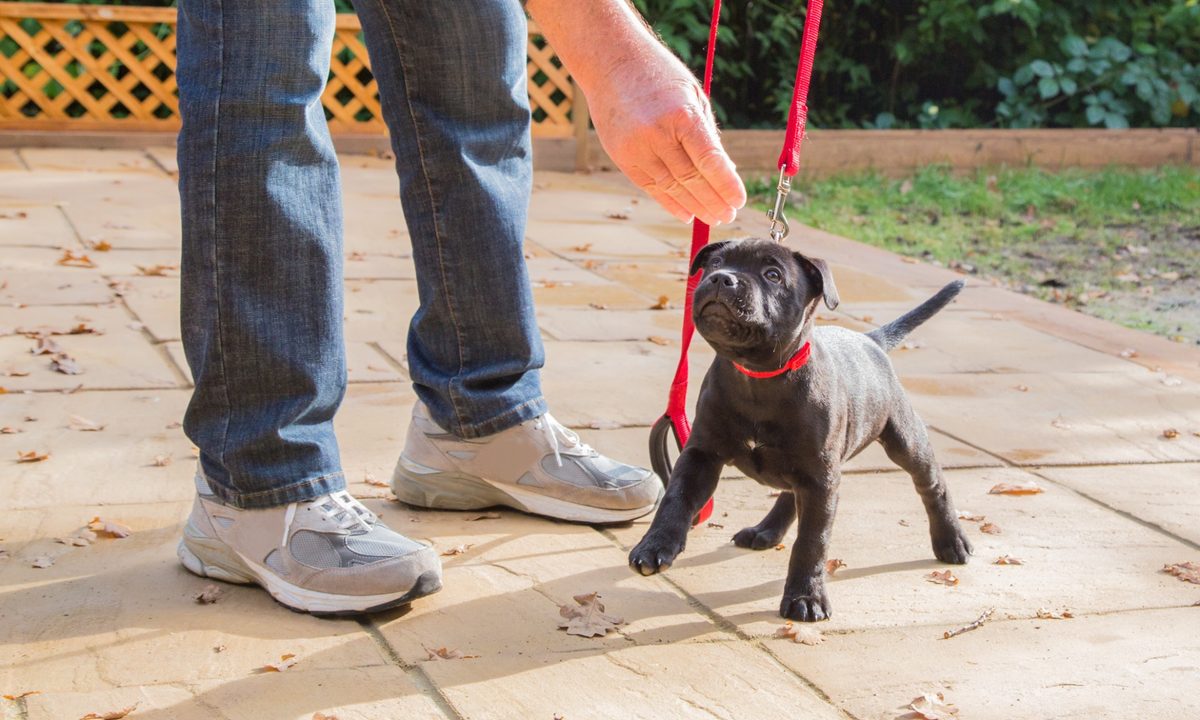
Have you adopted a new puppy that's a little more energetic than you expected? The good news is the puppy stage doesn’t last forever, and it’s the perfect time to train your dog to act smart, be obedient, and stay attentive. While training should involve positive reinforcement, there are times when you’ll need to discipline your dog.
Wondering how to discipline a dog effectively and safely? We’ll review some best practices to make sure your puppy gets the necessary training they need and that it’s a positive experience for everyone involved.
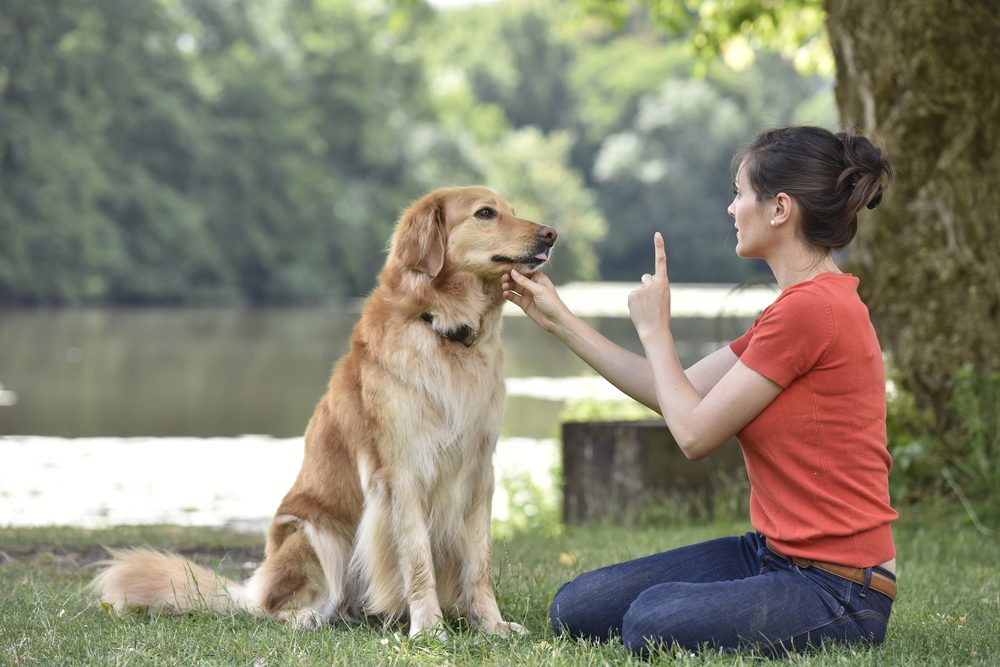
What's the difference between positive punishment and negative punishment?
There are two types of punishment: positive punishment, in which you do something to decrease the likelihood of a dog’s bad behavior, and negative punishment, in which something the dog wants is taken away to deter bad behavior.
However, a too-tough consequence is unlikely to reduce your dog’s bad behavior. Instead, it can create other problems like fear toward you, mistrust between you, and other behavioral issues.
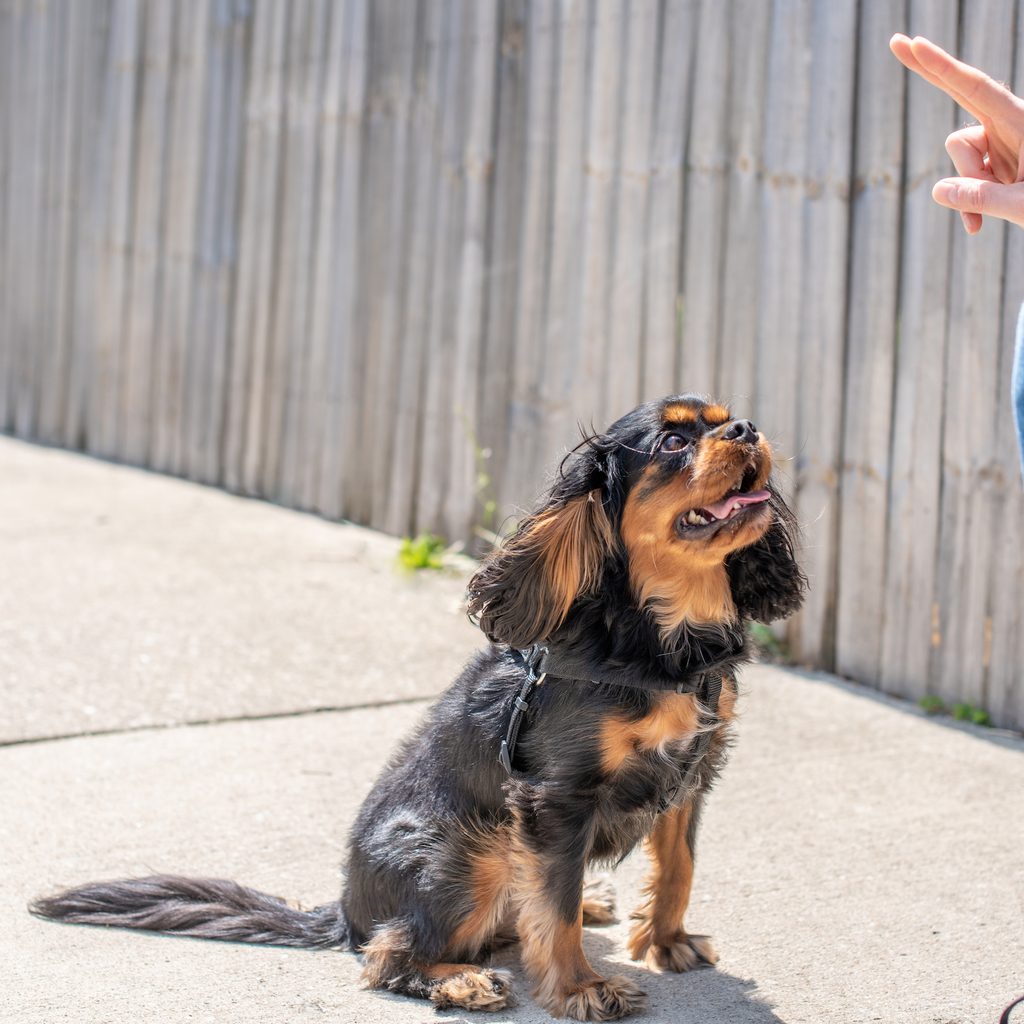
What punishments should you never use?
Most physical punishments are off limits for two reasons: They could hurt your relationship with your dog and they could even encourage bad behavior. In fact, using any negative physical consequences can make dogs more aggressive — and no one wants that. Most people know not to seriously hurt a dog, but it's actually more than that. We recommend avoiding the following:
- Spanking, hitting, or whacking your dog on the nose
- Rubbing their face in a mess.
- Yelling and screaming at them

What "punishments" can you use for a dog safely?
As mentioned, you should never hit your dog in any way. In addition to being cruel, it doesn't work! But that doesn't mean you can't ever give negative consequences. These should be a small part of a larger training regimen. In particular, consider using the following methods to curb unwanted behavior:
- A stern voice with a negative command like No. Your dog wants your approval and will naturally try to make you happy.
- Turning away, breaking eye contact, or otherwise withholding attention (more on this later).
- Timeouts that separate your dog from the main activity. This should be used mostly when your pup is overstimulated and really just needs a break.

Don’t accidentally praise bad behavior
We know every dog is adorable, but don’t cave in! When your dog does something bad and they seem to get sad when you discipline them, don’t be affectionate or give them a treat. This also ties in with being consistent.
For instance, if one day you’re disciplining them for jumping on a dog at the park but don’t do anything when they jump on your friend who doesn’t mind it, your dog might be getting mixed signals. Be consistent.
Another classic "bad" behavior you might actually be encouraging is leash pulling. You’ve probably heard a million times that you shouldn’t let your dog lead, but here it is once again. Every single time they get excited and pull the leash forward and you keep following them, they’ll think this is the only way to walk. Instead, stop dead in your tracks whenever your dog starts to pull on the leash. Do not move again until they have stopped pulling, giving some slack in the leash. Do this again and again, for as many walks as you need to. In no time, your walks will be much more leisurely.
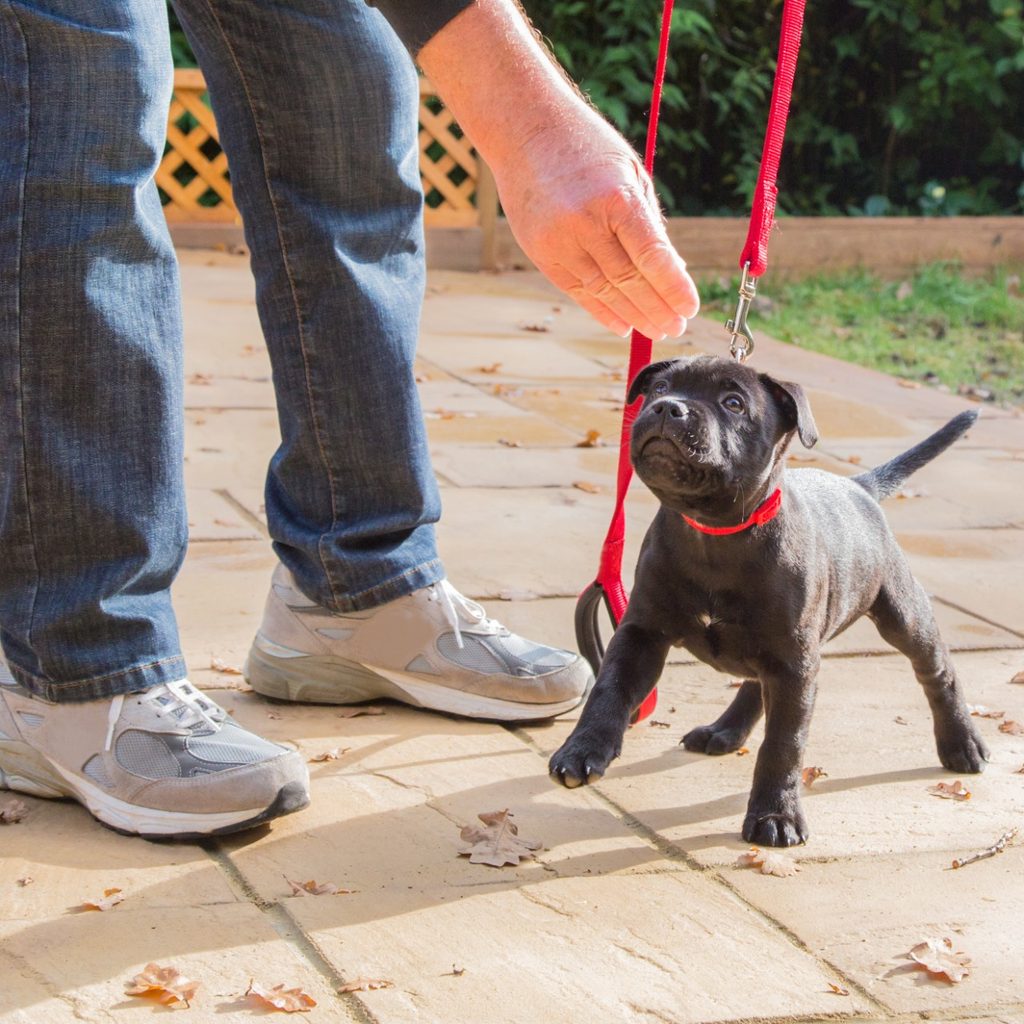
How to discipline a dog with positive reinforcement
This is by far the most popular and effective method of discipline. Instead of giving your dog a punishment that they don’t quite understand, praise them for every good act they do.
Step 1: If you're potty training your dog, for example, wait until you see the desired behavior. In this case, look out for your pup relieving themselves in their approved potty spot, whether on a pee pad or outdoors.
Step 2: As soon as you see them potty where and when they're supposed to, give them a treat. Try to do this as immediately as possible to help your dog's brain make a connection between the action and the reward.
Step 3: Another easy thing to do is give them extra affection and repeat what command they just did in an exaggerated, praising tone. Experts find that this reward-based method of discipline is very effective for dogs. It also builds and improves the relationship between you and your pup — something you’ll be grateful for in the long run.

Consider redirecting from some bad behaviors
Truthfully, you won't always need positive or negative outcomes. Like calming down a tot in full-on tantrum mode, some dogs just need a little redirection. When you catch them involved in unwanted behavior, remove their attention from said behavior and introduce something positive. For example, your dog might be showing some signs of aggression or be too excitable when you’re at the dog park.
If you sense that they’re about to jump on another dog or person, a clicker may help.
Step 1: When your dog is misbehaving, give them your preferred command to stop.
Step 2: When they do, command them to sit or come to you, and give them a reward.
Step 3: You can use this clicker for different behaviors like reducing barking or biting on non-toy objects, but make sure you use it consistently.

Does ignoring bad dog behavior work?
Sometimes, the best way to get a dog to stop doing an unwanted behavior is to completely ignore them. Dogs crave attention — it's basically what they live for. Just like a toddler, occasionally they decide that even bad attention is worth it and they'll act out just to get you to notice.
A good example of this is when a dog jumps up on you every time you come home. Telling them to get off might feel worth it to your pup that has been without your affection all day. Instead, turning away and waiting for them to settle could do the trick.
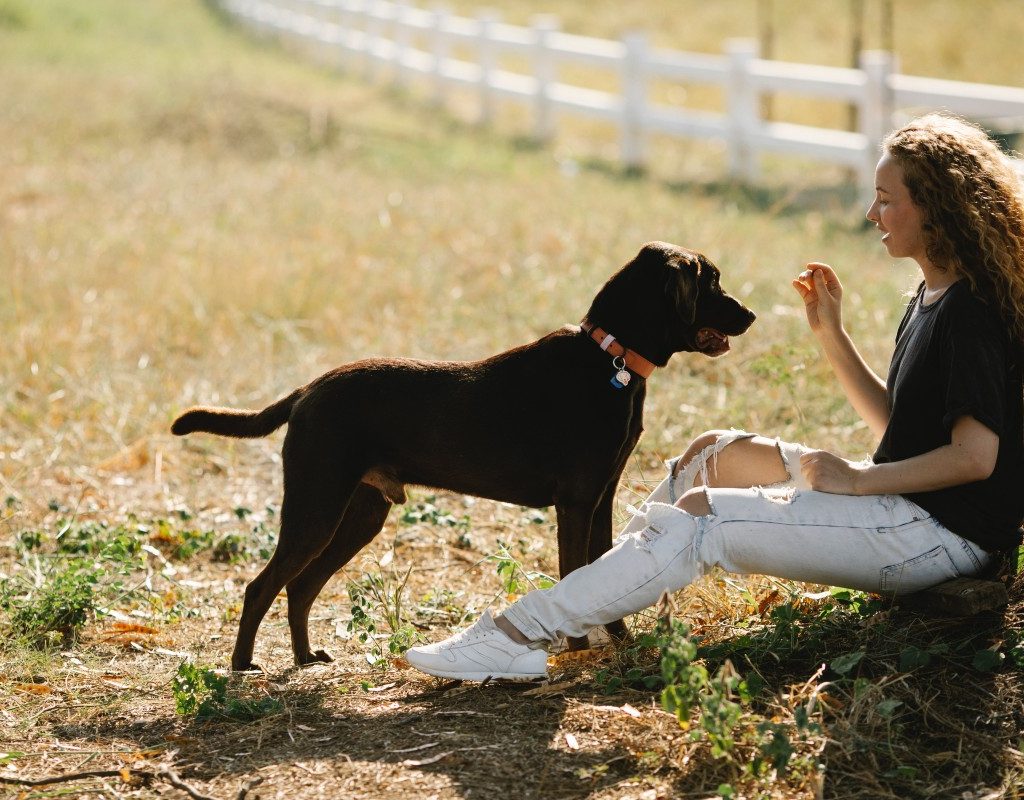
How do you get dog training right? Consistency is key
Dog trainers recommend disciplining or rewarding a dog for a behavior no more than five seconds after the incident or action occurred. For instance, if you found your dog biting the couch, don’t wait 10 minutes later to dole out the consequence. Chances are, they’ll forget what they did even a minute later. Do it right then and there.
Here's what that might look like:
Step 1: See your pup doing something naughty.
Step 2: Tell them "no" (or your preferred command) in a stern voice.
Step 3: You may choose to remove your dog from the environment or redirect their behavior. Whatever you choose, follow through immediately.
Step 4: Do this again and again, as consistently as possible. For the first few weeks or months, this might mean keeping a close watch over your dog to ensure they’re not misbehaving when you aren’t looking.

How do you discipline a dog that won't listen?
Feel like you're screaming into a void? It can be frustrating to feel like you've tried anything and everything under the sun and your dog just refuses to listen. These tips might help.
Step 1: Are you sure your dog isn't listening, or do they have a hearing problem? Get your dog's ears checked. A vet can run a hearing exam to ensure your dog can actually hear you.
Step 2: Look for other underlying conditions. Dogs who display certain behaviors, like peeing or chewing, may have a conditon, from stress to food allergies or something more severe. While you're at the vet for a hearing test, have the provider rule out any other potential issues.
Step 3: Work on commands in areas free of distraction. Some breeds and specific dogs are more easily distracted than others, such as canines previously bred to chase prey. Pick a quiet spot to work on commands.
Step 4: Build a connection with your dog. Your dog may be feeling disconnected and out of sorts, making them less inclined to listen to you. Show them you care to build trust through playing, petting, and plenty of cuddles.
Step 5: Determine whether your expecting too much. You can't always train a dog to stop barking or adore other animals. You may need to give your pet some grace.
Step 6: Talk to a trainer. A professional can help pinpoint issues and solutions based on years of experience with other pets.
Training a dog isn’t complete after a one-day session or even reading this how-to guide online. However, we’ve covered some pretty important dog discipline fundamentals to kickstart your dog discipline training. Two key takeaways are to always be consistent with your methods in any circumstance and to practice a healthy balance of positive and negative reinforcement. Now it’s your turn to put these methods to use and discover the joy of being a pet parent.
If you’d like to learn more about your dog, check out our guide to find out what you need to do if your dog has smelly ears.