

Everything would be better if dogs lived longer. We want our pets to stay with us forever, but sadly, these guys only stick around for a decade or two, at the most. Still, longevity in all pets depends heavily on a few factors, including breed, size, genetics, and, of course, how well you take care of her.
Knowing in advance which pups live the longest can help you choose the right one for your family and manage your specific animal’s health conditions. We’ll cover the longest-living dog breeds and how to best keep your dog happy and healthy for as long as possible.
How long do dogs live?
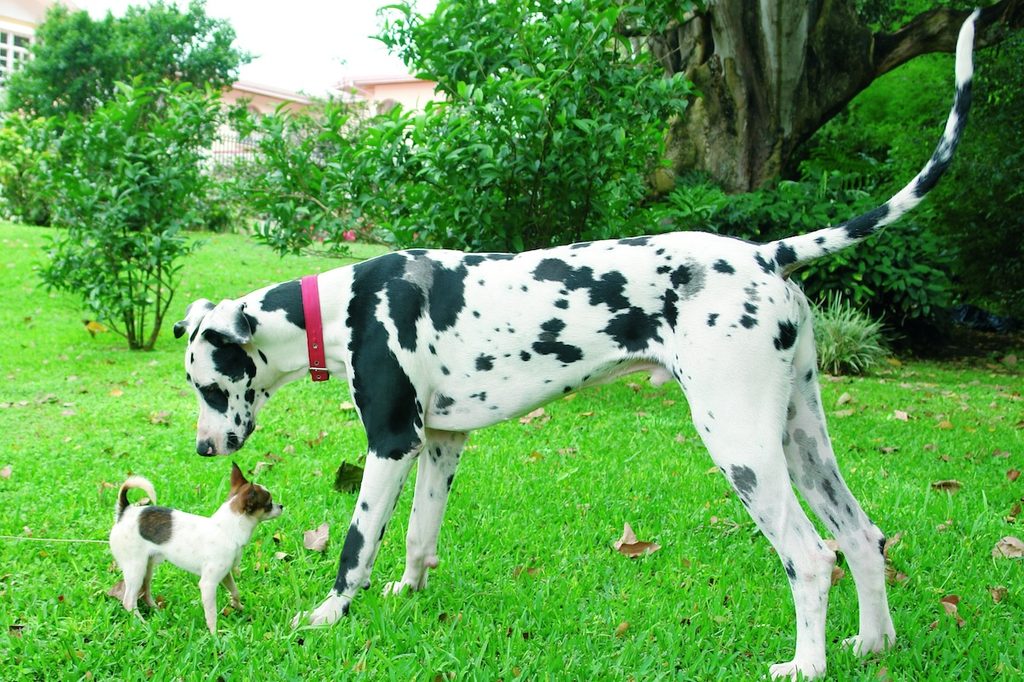
You would be surprised how much this varies, with Great Danes living only to 7 years old on the young end and Chihuahuas frequently hitting 20. You’ll notice that there’s quite a size disparity between these two canines, and that plays a big part in how long your beastie will live, with smaller breeds sticking around for more years than larger ones. That means you have to make some adjustments to the old idea that seven dog years equals one human year (Purina has a handy chart that helps determine your pet’s age in human years).
What can you do to keep your pet around for a long time?

To keep your buddy around a long time, there are three main things you should make sure to do: Maintain their diet and exercise, get frequent vet checkups, and stay on top of known conditions. That might be easier said than done, especially when the big soulful eyes ask you for a second breakfast.
Keeping your pup at a healthy weight will go a long way toward getting the most out of them. Additionally, staying in close contact with your doggy doctor means you’ll catch health conditions early — many things can be solved with medicine or preventative surgery before they get out of hand (dental and hormone issues both often fall in this camp).
Which breeds live the longest?

As we just covered, a few factors go into how long a pup pup lives but breed certainly makes a big difference. When you choose a pet to bring home, this is one area where you have the ability to pick out the right dog for your family, and you can take lifespan into account.
Chihuahuas
We already gave this away, but chis frequently get recognized as the breed with the biggest lifespan, mostly because they’re the smallest official breed. Our beloved huas have relatively few health problems and lots of spirit to help keep them going. Keep an eye on heart and knee issues, though, which can creep up.
Shih tzus
Another toy breed (you’ll notice a lot of them on this list), these pretty pets can also live into their late teens. Shih tzus are friendly, sweet, affectionate, and outgoing. They make good family dogs, provided they get good, solid socialization from an early age and have time to bond with everyone properly. One note, though, shih tzus have squished faces, which can cause health problems.
Yorkshire terriers
Unlike other terriers, Yorkshire terriers actually fall into the toy category. Sweet and peppy, owners love their beloved small pooches because they make up for their tiny stature with an extra big personality. Yorkies, like many small breeds, often suffer from tracheal collapse.
Bichon frise
These sweet dogs were once beloved by royalty and certainly keep the above-it-all personality today. One great thing about the bichon: They’re relatively hypoallergenic so they might serve as a good pet for those with allergies. If you get a bichon, keep careful track of their teeth and eyes since they can both pose problems.
Shiba Inu
This particular dog breed has made headlines in the last few years and has well earned a spot on this list. You’ll keep your Shiba for quite a long time and enjoy their ancient bloodline and friendly personality. Be mindful of allergies, which can sometimes afflict these happy creatures.
Every one of these perfect pups would fit under the definition of purse dogs, which is exactly what separates them from their larger counterparts. That’s one of the reasons why the animals on this list will stick around longer than almost every large dog that you may have heard of. While it’s definitely not the only reason to bring home a specific beastie, it can factor into your decision. No matter which dog breed you choose, you can help keep them going strong with good health and annual vet appointments.