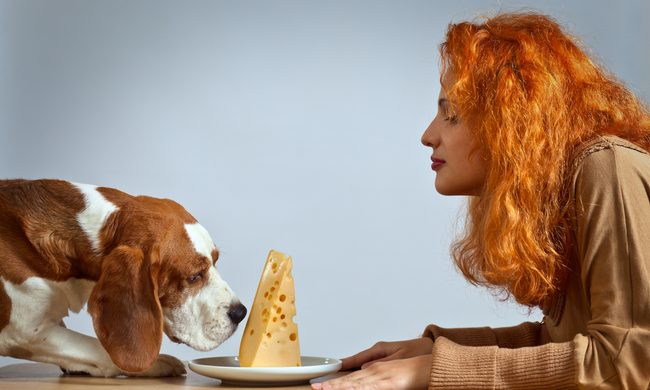
When you think of a dog, we suspect you picture a statuesque German shepherd or possibly a sweet and droopy-eared golden retriever. But some of the best and most loyal buds don’t have the size or the hunting instincts and yet are still unmistakably canines.
Toy dogs represent an entirely separate breed group, alongside others such as terrier and herding. While pups in the toy group aren’t necessarily related genetically, they have a few characteristics that connect them together. Most obviously: Toy dogs are pawsitively adorable. If you want a teddy bear to come to life, consider one of the cutest toy dog breeds.
What makes a dog a toy breed?
For the most part, toys are smaller, less wolf-like, and particularly attached to their humans. That’s because, unlike some other pets, they weren’t bred to do anything in particular and instead fall firmly under the category of companion animals.
Sometimes, dogs under 20 pounds don’t count (or act) as toys — a lot of terriers like the Jack Russel fit into this category. Instead toys have a distinct personality that endears them to their people. While sometimes considered yappy or high maintenance, little guys can make perfect pets for some.
What are the most adorable toy breeds?
It depends a bit on what you’re looking for, but you almost can’t go wrong when it comes to the sweetness in these pooches. As we stated previously, toy breeds aren’t closely related to each other for the most part, but they have generally been bred over hundreds or even thousands of years to appear small and angelic. This can come with a few health challenges that you find in many toy breeds, including dental problems and patella issues. However, they often also bring wonderful personalities and the fiercest loyalty. Additionally, small dogs live longer, usually thrive in cities, and travel well. Consider one of these tinies to start your toy pack.
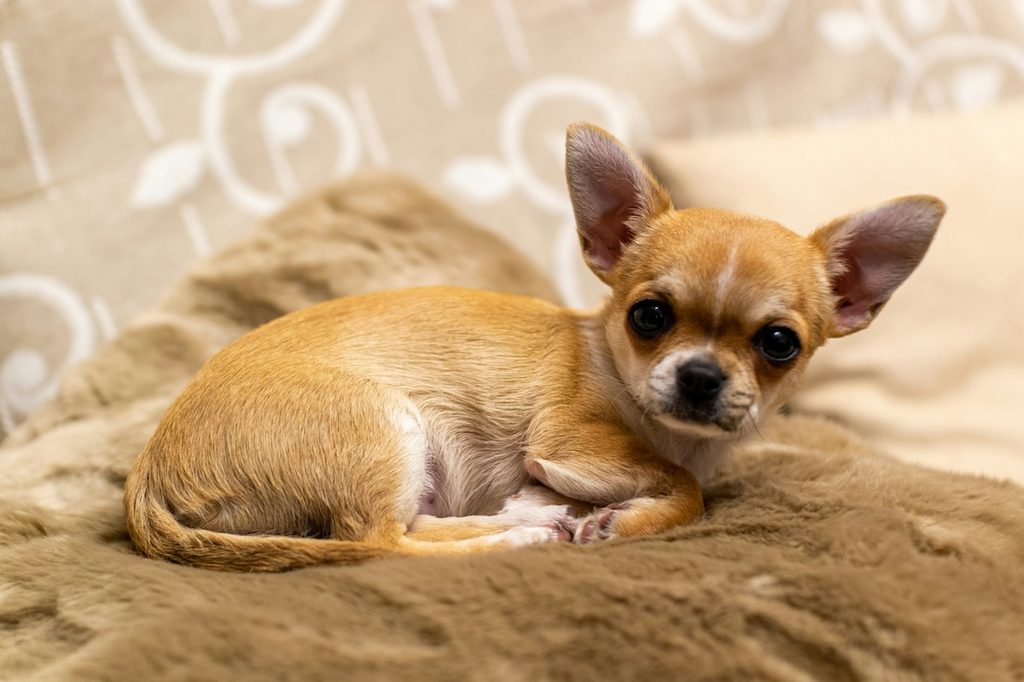
Chihuahua
We’re bringing out the littlest first. While Chi mixes can get up to 10 pounds or more, official breeding standard says they should not weigh more than 6 pounds. To make up for their diminutive size, they often have the biggest personalities of all. You’ll definitely have your hands full with a Hua, but they can be very smart and will never take their eyes off their owner. Many Chihuahuas are food motivated, which can help when training them — an absolute must or they will become tiny terrors.
Maltese
Many on this list won’t win any running competitions, but the Maltese is surprisingly agile for its small size. You won’t be able to resist this face with those big eyes and long fur. Keep in mind that your Maltese will require grooming, including brushing and baths regularly.
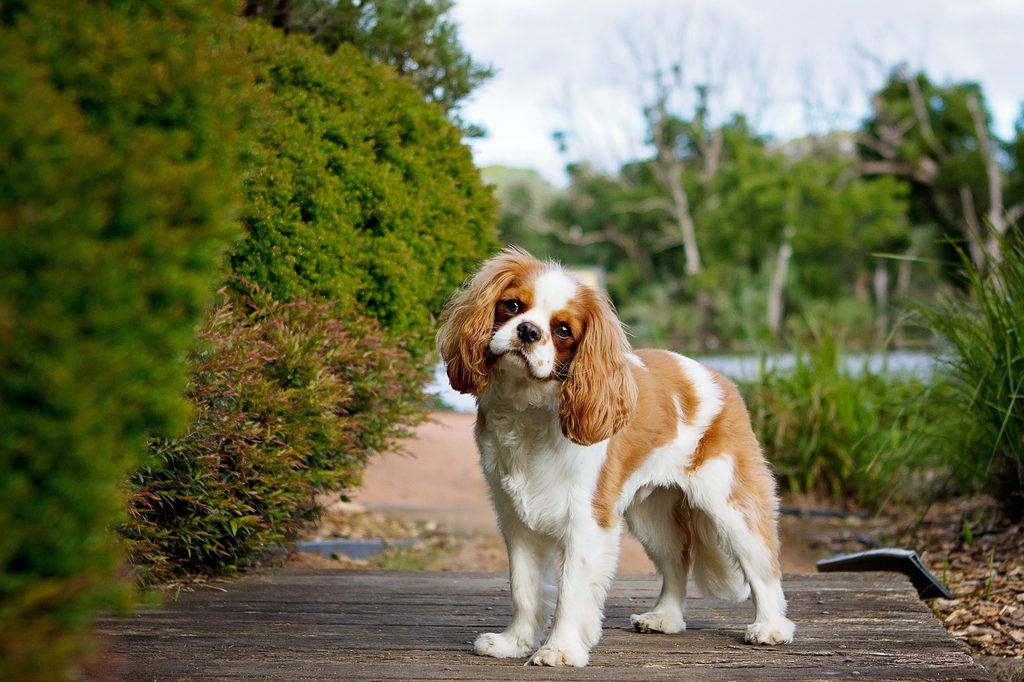
Cavalier King Charles spaniel
One of the larger furry friends on this list, the Cavalier King Charles spaniel can reach 18 pounds. Many owners like this breed because these small pups are more athletic and active than some toys. Plus, King Charles pets will get used to other dogs, children, and even sometimes cats. Of course, beauty doesn’t come cheap, and you’ll likely need to keep on top of their coat, but otherwise, consider these guys a low-maintenance dog.
Poodle
Don’t worry, we aren’t talking about the standard size, which can grow up to 70 pounds. Toy poodles stay small and live a long time — and they’re hypoallergenic. Poodles love to play as much as they enjoy cuddles, so you may have your work cut out for you. Also, their hair can require professional care and will need to be cut frequently.
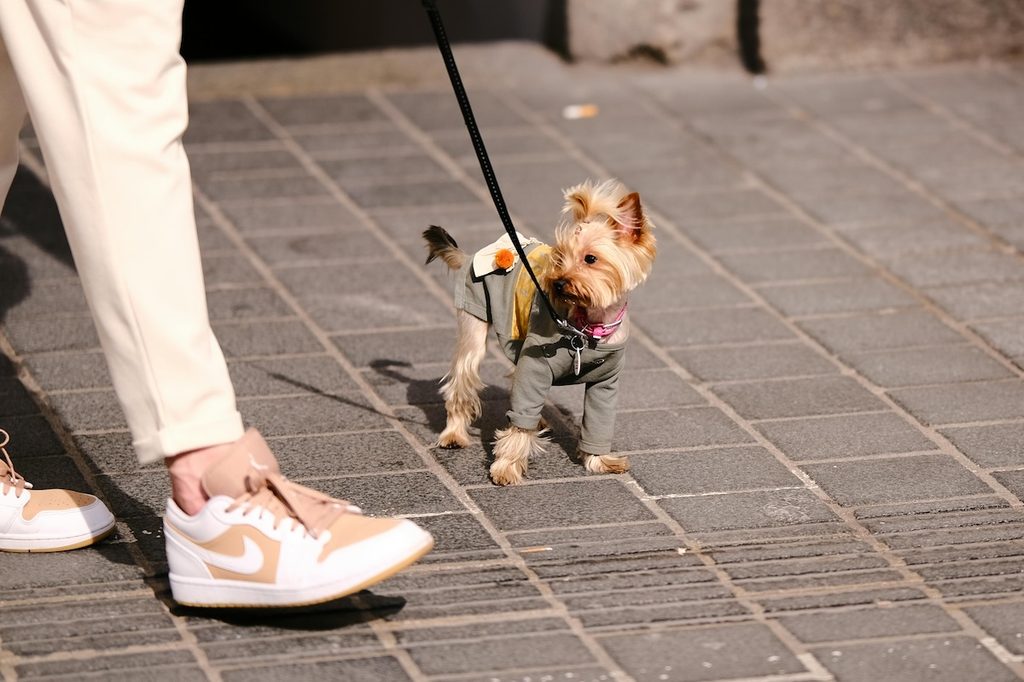
Yorkie
Yorkshire terriers aren’t part of the terrier group, instead falling under toy like the rest of this crew. You’ll notice this a lot on this list, but Yorkies need daily brushing and consistent grooming. These pets want lots of attention, including walks, but love to please their owners. You should provide training with positive reinforcement from a young age to get the perfect sidekick.
Pug
You may be surprised to learn that pugs come from China and may have been bred over 2,000 years ago for emperors. Today, you’ll love your pug that comes in a variety of colors, though always with an adorably stocky body. In part for that reason, watch their weight carefully since pugs sometimes pack on the pounds if you don’t help them stick to their diet.
Before you bring home a toy breed, make sure you’re up to the challenge. Pet owners occasionally underestimate the amount of work that goes into living with a small dog — at times, much more than that for a large breed. Little dogs need just as much training, quite a bit of extra attention, and a fair amount of exercise. Of course, your new pet could certainly love living in an apartment, but make sure the environment includes plenty of mental stimulation. You won’t mind playing with them, though, because of that maximum adorableness.