Sometimes our dogs smell like fresh grass they just played in. Other times the aroma might not be so pleasant (wet dog comes to mind). Occasionally, these olfactory clues hint at underlying issues, whether they just covered themselves in dog poop or have an off scent.
You might take a whiff, pick up a briney odor, and wonder, “Why does my dog smell like fish?” This may indicate a medical problem, so you’ll likely need a trip to the vet, especially if Fido has never had this particular essence before. Here’s what you need to know about this unfortunate smell.
Why does my dog smell like fish?
As with so many pet-related things, it’s tricky to figure out the exact cause without more information. You should look closely (or smell closely) and discover the exact location. That will give you a very good idea of what might have kicked off the fishy smell and will help your vet find the correct treatment.
To give you an idea, the most common reasons behind the scent include anal gland issues, dental disease, urinary issues, and skin infections. We’ll take you through a brief overview, so you understand each one and can better suss out the source.
Anal glands and sacs
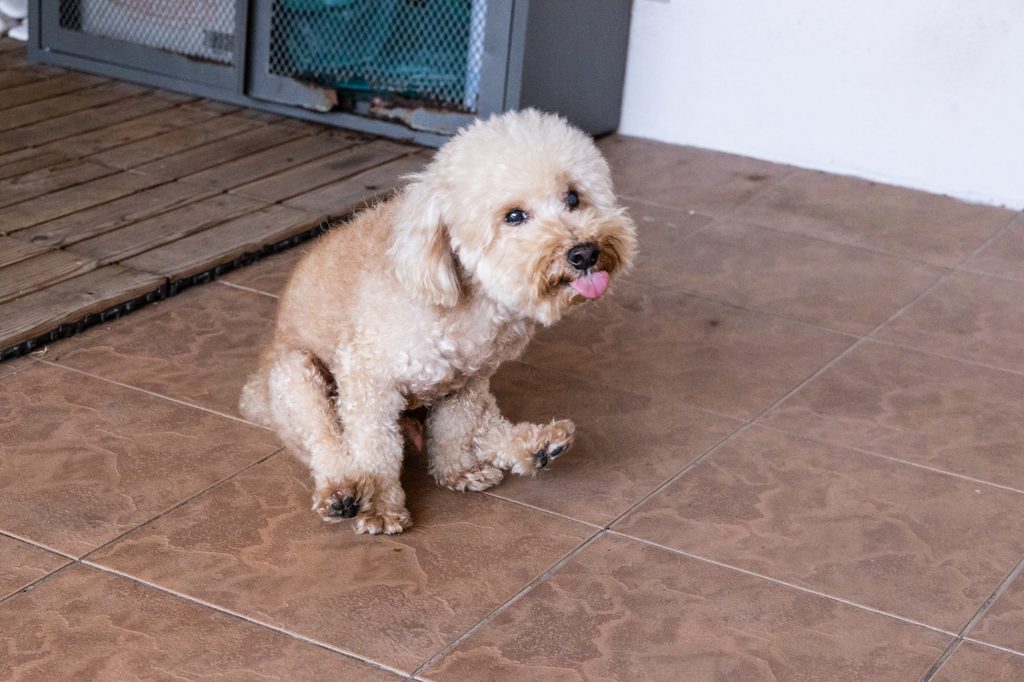
If you’ve never had a dog before, you might not yet have had cause to uncover the anal glands, which have no correlation in humans. Your dog’s anal glands live around the rectum and (unfortunately) excrete a fishy and gross-looking fluid. It sounds purely unpleasant, but it helps pups mark their territories. However, some anal glands may become too full or even impacted and will need to be expressed. We don’t blame you if you decide to let your dog doctor handle this part, although you can certainly learn to do it at home. Watch for signs that they’re having trouble, like scooting or licking the area.
Urinary problems
Urinary tract infections (UTIs) and other similar issues occur more commonly in female dogs, but can happen to any buddy, especially one with an underlying condition, such as kidney complications. Once bacteria starts to build up, it can cause your animal’s pee to give off a fishy scent. Look for accidents, frequent urination, changes in color, or straining to determine that this could be the issue. In addition to UTIs, female dogs can get yeast infections or other vaginal issues, which create a similar smell.
Dental disease
So far, we have covered when the fishy bouquet emanates from the back end of your beastie. For this one, though, you’ll want to take a peek into your pet’s mouth. When teeth issues turn into full-blown dental disease, you could start to smell an unpleasant aroma as bacteria populate in your pooch’s oral cavity. Some dog breeds, in particular, Chihuahuas, Yorkies, and Labs, get these challenges more frequently. When their teeth start to cause them discomfort, they may reject hard food or drool excessively.
Skin infections
Our buds can get yeast and other skin infections just about anywhere, but these commonly happen on the paws, face, ears, and genitals. If your dog has a yeast problem, you may start to smell fish from the area. They also could have redness, scabs, or hair loss. A vet can help determine the correct treatment, but it sometimes stems from allergies, so it will come back unless you get to the root of the issue.
How to get rid of the fish smell
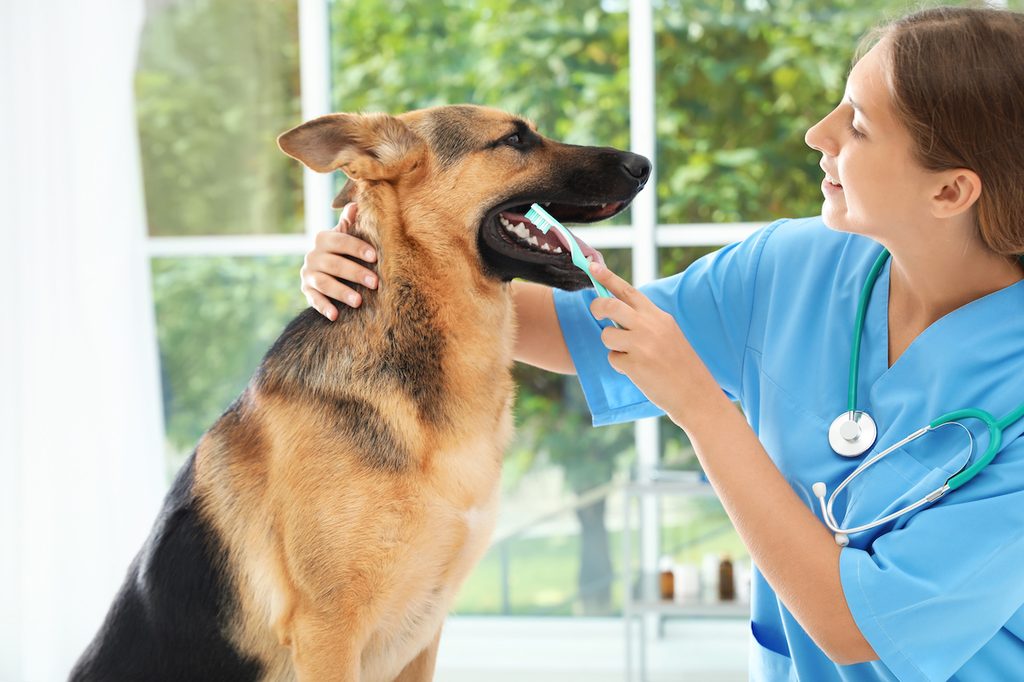
Once you get a handle on the cause, you’ll have to loop in your vet for the right treatment. For dental decay, try brushing their teeth. Skin issues? Look into over-the-counter allergy medication or medicated shampoo. Probiotics can help greatly reduce anal gland problems, though you may need to express them now and then. In rare cases, you could need more specific treatments, like antifungals or antibiotics. A professional will certainly know how best to handle and work with you to get your furry friend feeling better.
Fishy smell often shows up when something else isn’t going right. While you definitely need to keep your animal doc up to date, you also want to see if you can sniff out the issue on your own first. It could also wind up meaning nothing — like you gave your fur baby a fish-flavored snack. In that case, you will expect them to smell a bit like the ocean before returning to normal. Assuming the stench stays around, treat it as your vet recommends, and they’ll go back to normal in no time.