Most dogs are loyal and loving animals. That’s why we know them as humans’ best friends. They’d do anything for us. For some dogs, “anything” means protecting us with their lives, and these breeds make the best guard dogs. Many dogs have a natural defensiveness — it’s instinctual. They’ve evolved to protect the family they love. You’ll notice these pups keeping a watchful eye on your property. They may bark to alert you when your friend arrives or the mail gets delivered.
Remember, guard animals mean well. They aren’t trying to be vicious, but instead, they want to keep you and your home safe and sound. Some prospective pet parents want this quality in a dog. If that’s you, consider these breeds that make the best guard dogs.
What is the most protective breed of dog?
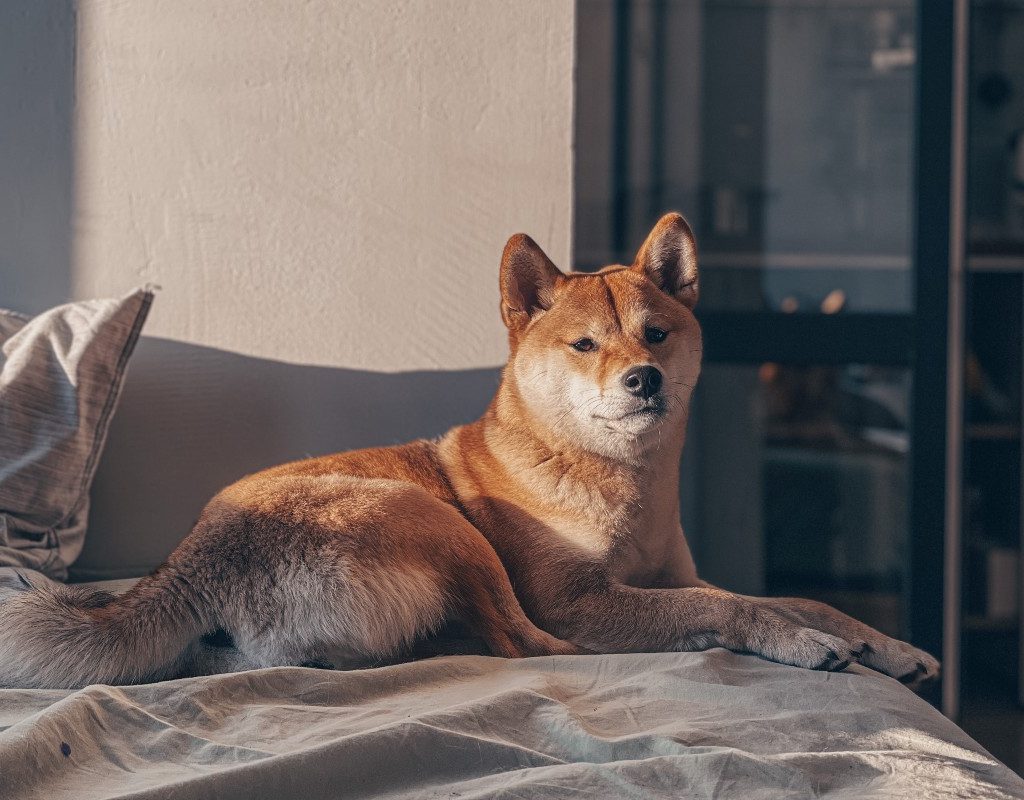
There’s no conclusive list of the most protective dog breeds in ranked order. However, Akitas are famously protective of their families and very loyal. The American Kennel Club (AKC) says Akitas are “highly intelligent,” meaning they are excellent watchdogs that guard by nature. They’re a bit reserved with strangers, too. You’ll want to be patient with an Akita when introducing them to someone new — their wariness is partially because they want to make sure the person is good to you.
What breed makes the best guard dog for a family?
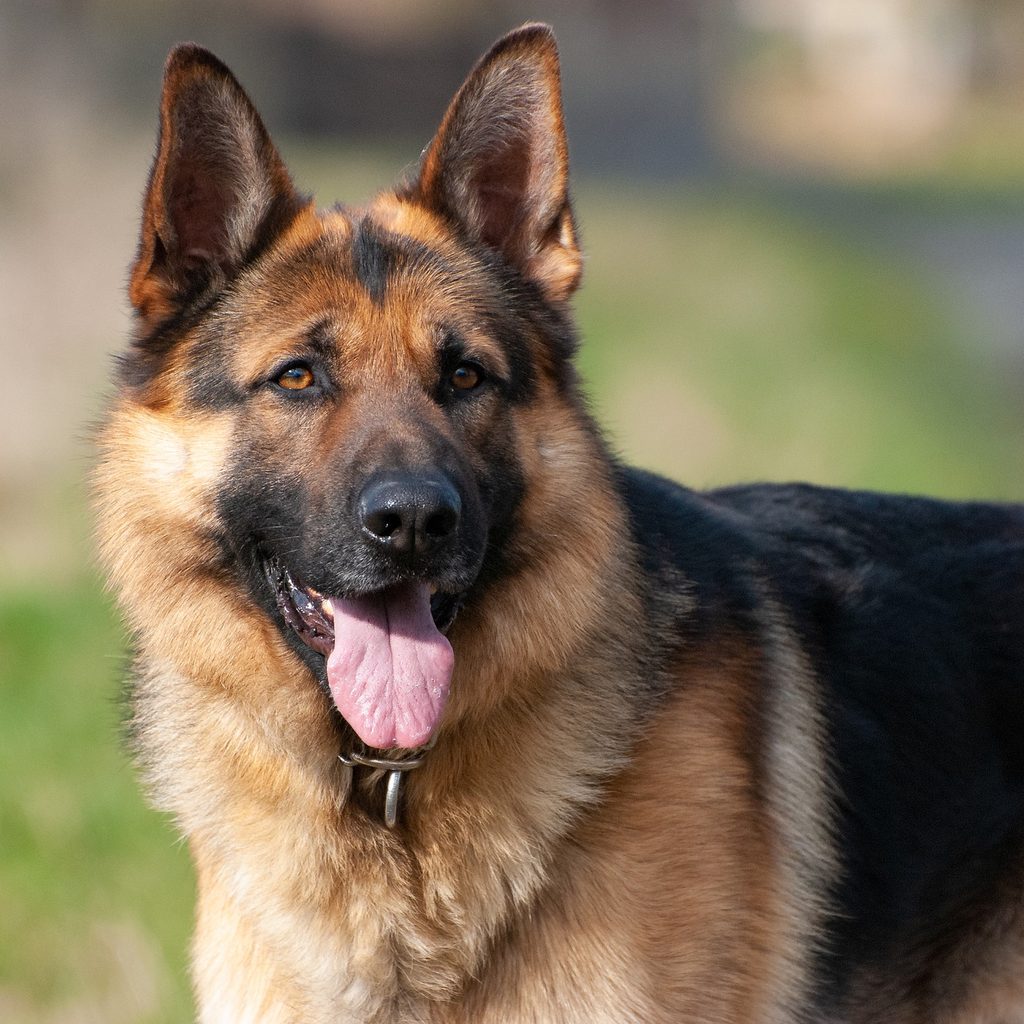
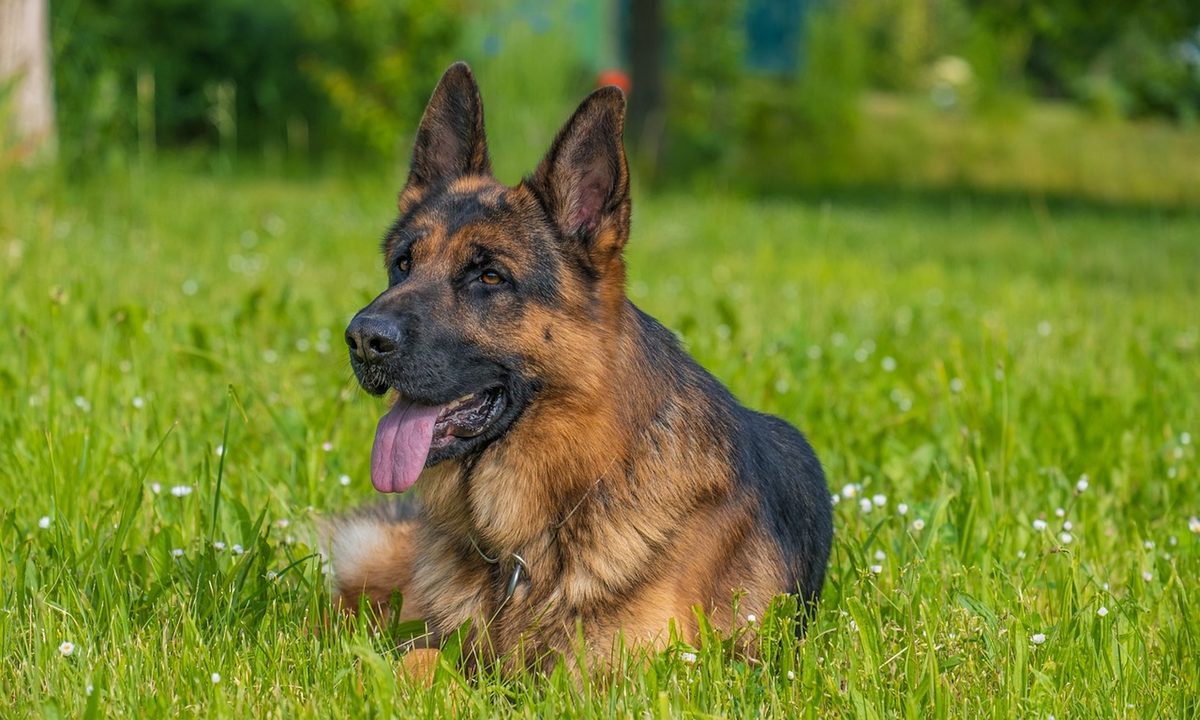
There’s no definitive list to help us answer this question, either, but German shepherd dogs (GSDs) make some of the best guard dogs for families. These big pups can grow up to 26 inches tall and weigh up to 90 lbs. Yet, somehow, they manage to have even bigger hearts. German shepherds are usually highly affectionate with their family, and they’re also typically great with little kids.
These shepherds are vigilant and protective dogs. They’re courageous animals who will stop at nothing to defend you. GSDs are trainable and adaptable, too. Pet parents can teach them the difference between “threat” and “friendly stranger.” GSDs have even shown courage and a willingness to protect others as members of the U.S. military.
What are some other protective dog breeds?
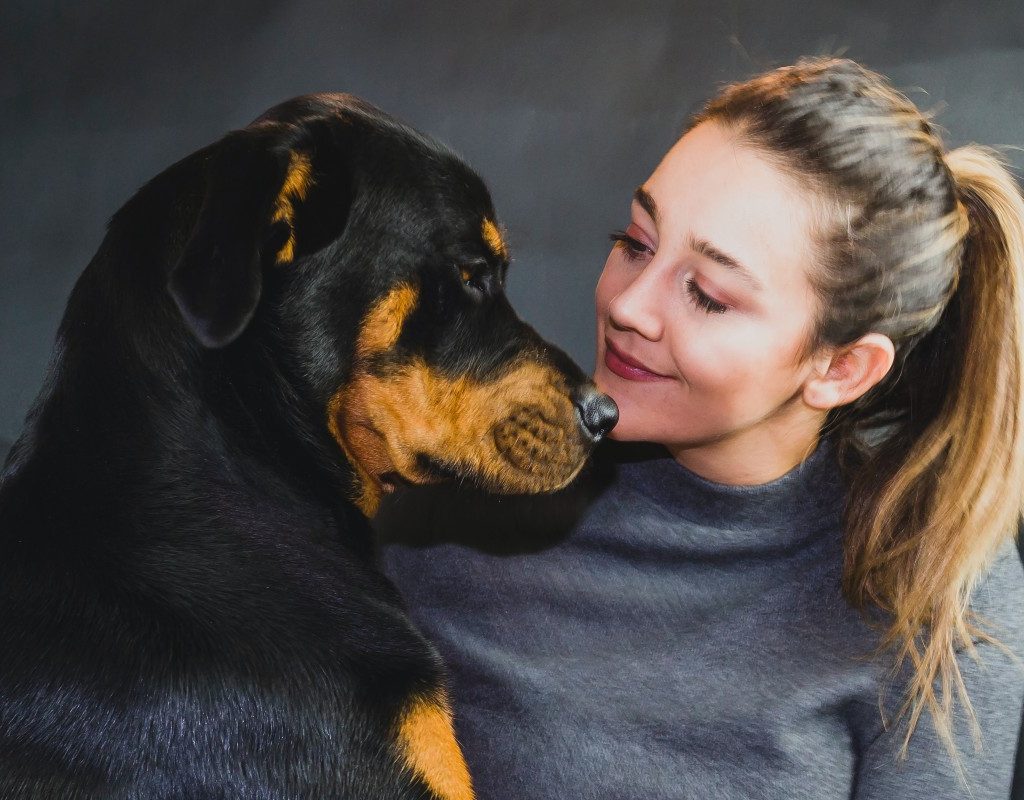
Akitas and German shepherds make some of the best guard dogs, but other breeds are also very watchful.
Rottweiler
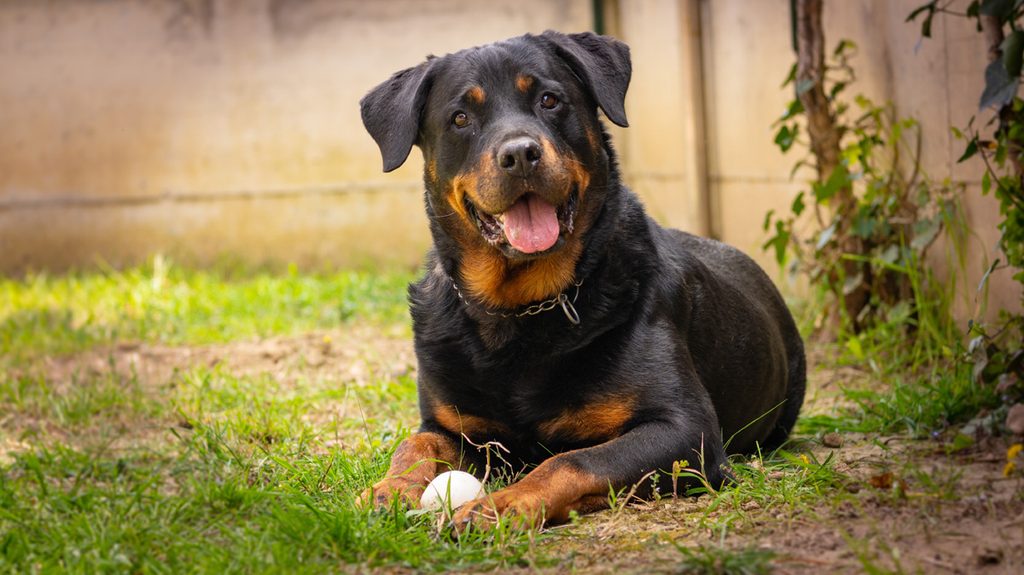
Rottweilers are known for being very protective of their loved ones and vigilant. That said, these dogs, which can weigh up to 135 pounds, have also gotten a reputation for being imposing and aggressive. Experts say they are playful, loving family dogs if trained properly, which can be true of any pup. The good news: Rotties are so eager to please that they are generally one of the easier breeds to train.
Boxer
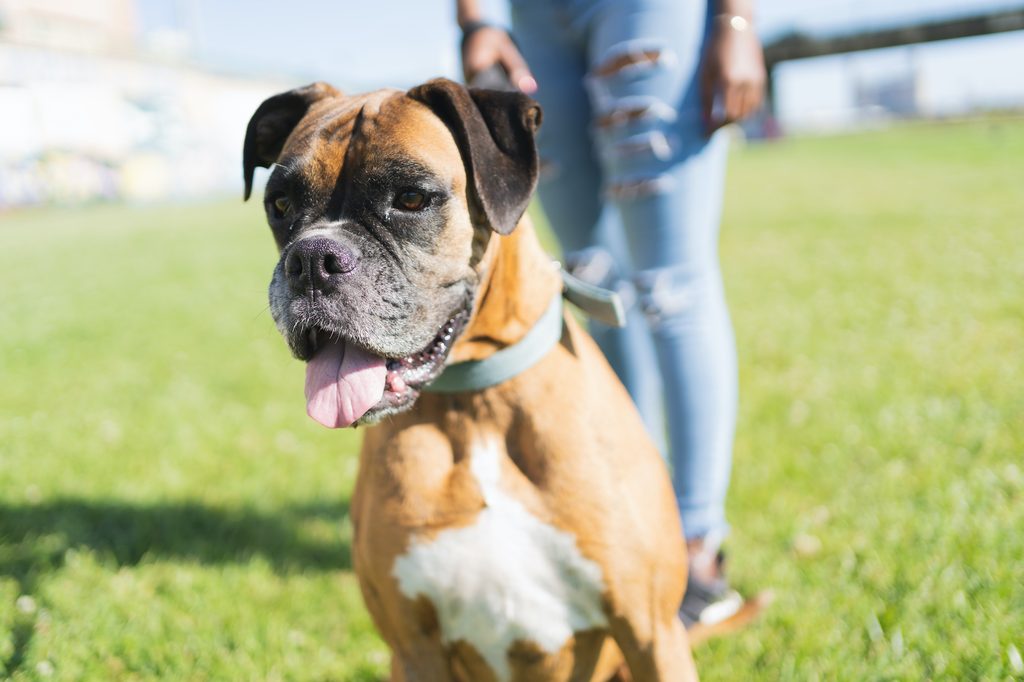
Boxers are naturally very protective and relish their roles as the family watchdog. These pups aren’t serious all the time, though. They’re very loving towards their family, young children included. They love to play. Though Boxers are pretty vigilant, they’re also open to strangers. They’ll warm up to your guests fairly quickly, so it’s one less issue to worry about when you are hosting.
Cane Corso
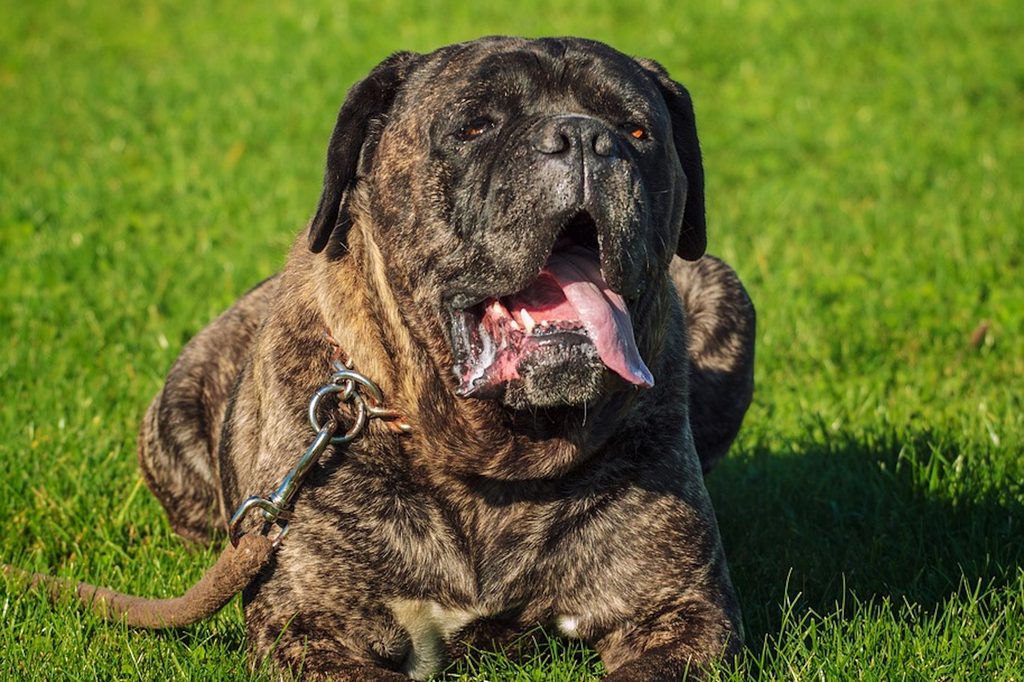
The name Cane Corso comes from the Latin for “bodyguard dog,” and these muscular and alert pups live up to their name. They are intensely loyal to their forever family. These dogs also look every bit the part of a guard dog. They have a muscular stature and weigh more than 100 pounds as adults. That said, Cane Corsos are playful and affectionate animals. With patience and early training, they’ll learn to use their loyalty for good.
Bullmastiff
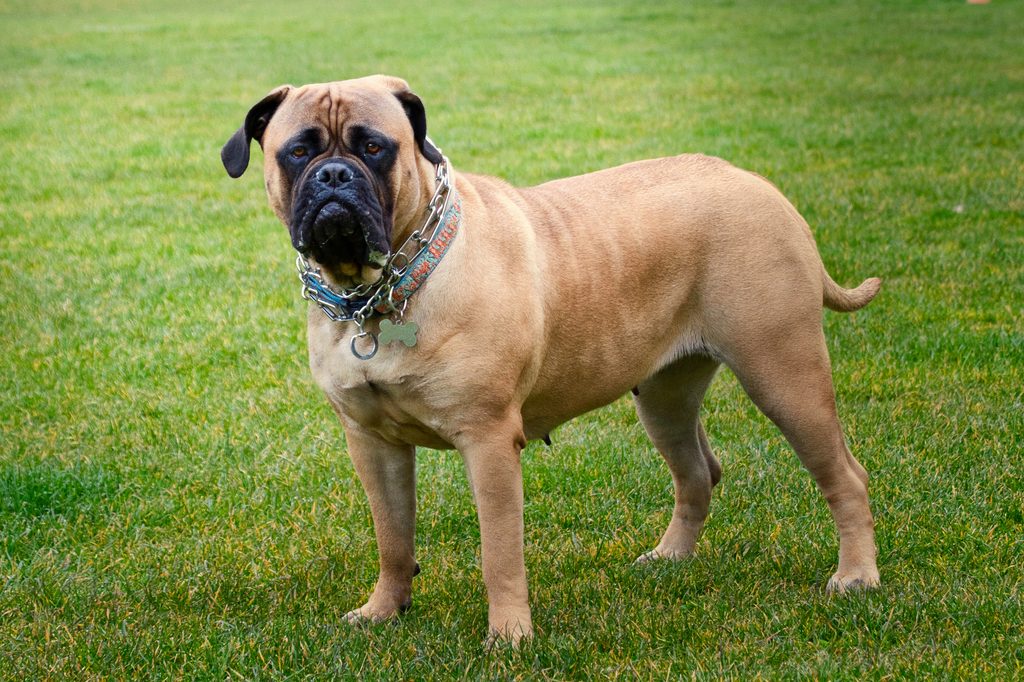
Another large breed, bullmastiffs, are natural protectors with plenty of physical strength. At 27 inches tall, these pets look intimidating, and they’re generally fearless. They’re also incredibly loving towards their family and eager to please. Bullmastiffs take well to training, which is a good characteristic. Training and socializing them young can help them accept new people and pets more easily and adapt to different situations without getting defensive
Doberman pinscher
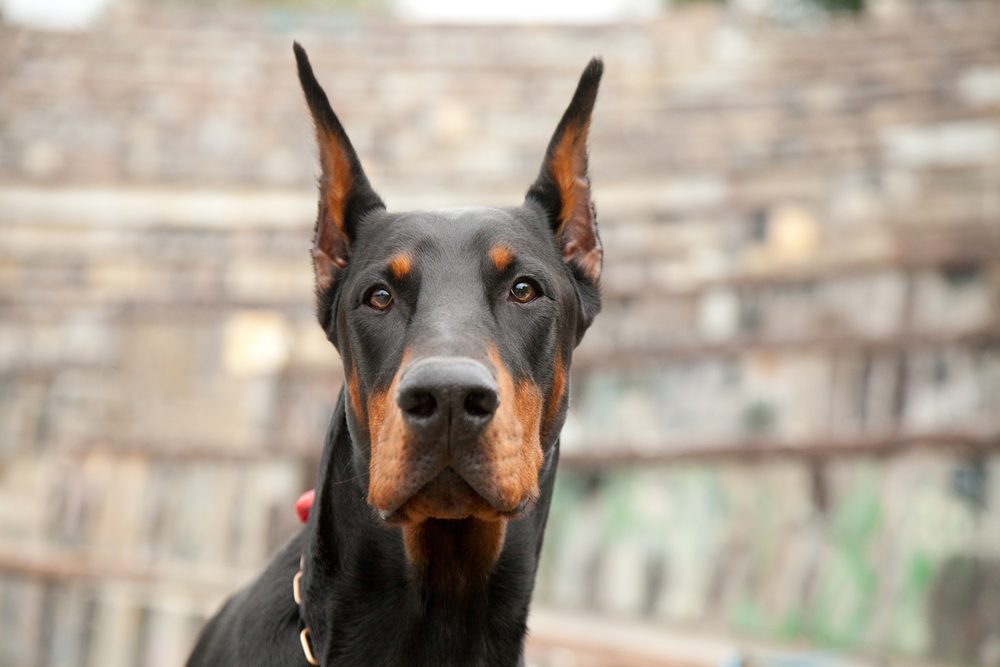
These brave dogs are alert and loyal, making them ideal watchdogs. Their protectiveness stems from a deep love for their families. Doberman pinschers are extremely affectionate towards their people and great with young children. They’re even open to strangers. Training and socializing them at an early age can harness their guard-dog tendencies.
What is the easiest guard dog to train?
There’s a whole group of beasties that are often referred to as the guardian breeds — many of them make this list. Those animals with a predisposition toward defending and alerting will likely also learn their duties quickly. However, you’ll also need a pup who has been properly socialized. Remember, you only want your guard to go into protection mode when there’s a serious threat, not every time a delivery driver stops by.
The other thing you need to know is that you’ll have to teach standard obedience commands first. That will both set your new champion up for success and cue you in if he’s not a good fit for the job. Some pups that are of perfect guard dog stock will never grow into the role. That’s OK. They just don’t have the personality for it and can become a normal pet, instead.
Who is more loyal, male or female dogs?
It’s an age old question really, but, we’re not here to give you a satisfying answer. Despite a few popular myths, there’s no evidence that one sex is more loyal than the other. An intact male might be more likely to go off in search of a mate, but we promise his roaming tendencies don’t reflect on his love for you (getting him neutered will nearly always curb this behavior, too).
In terms of guarding ability, males tend to be larger but females more agile. Plus, a lot of it comes down to the individual animal. You should think carefully about a few factors before selecting the sex of your next dog, including exactly what you want them to do. Lastly, of course, you don’t want a male and female in the house if they haven’t been fixed or you’ll wind up with a whole new generation of guard dog puppies.
There’s a difference between protectiveness and aggression. Barking or acting socially — not physically — standoffish with strangers is natural for some dogs. However, dogs who growl, snap, or lunge at another person or pet may have aggression issues. Some dogs have protective aggression, which happens when they think a loved one is in danger. Though the dog means well, it can be a problem if the pup hurts another person or animal. If you notice aggressive behavior in your pet, speak with a vet. They can give you advice and refer you to a qualified behavioral specialist who can help you work through these issues with your pet.