In theory, we all go to the dentist every six months to get our teeth cleaned, which helps keep the pearly whites glistening and also contributes to overall health. Surprisingly, our pets also benefit from annual (or biennial) dental treatments. While these cleanings do wonders for pups’ teeth, they can make owners nervous and burn a hole in their wallets to boot. Here’s why you should schedule regular dog teeth cleanings for your pup.
How do I know if my dog’s teeth need cleaning?

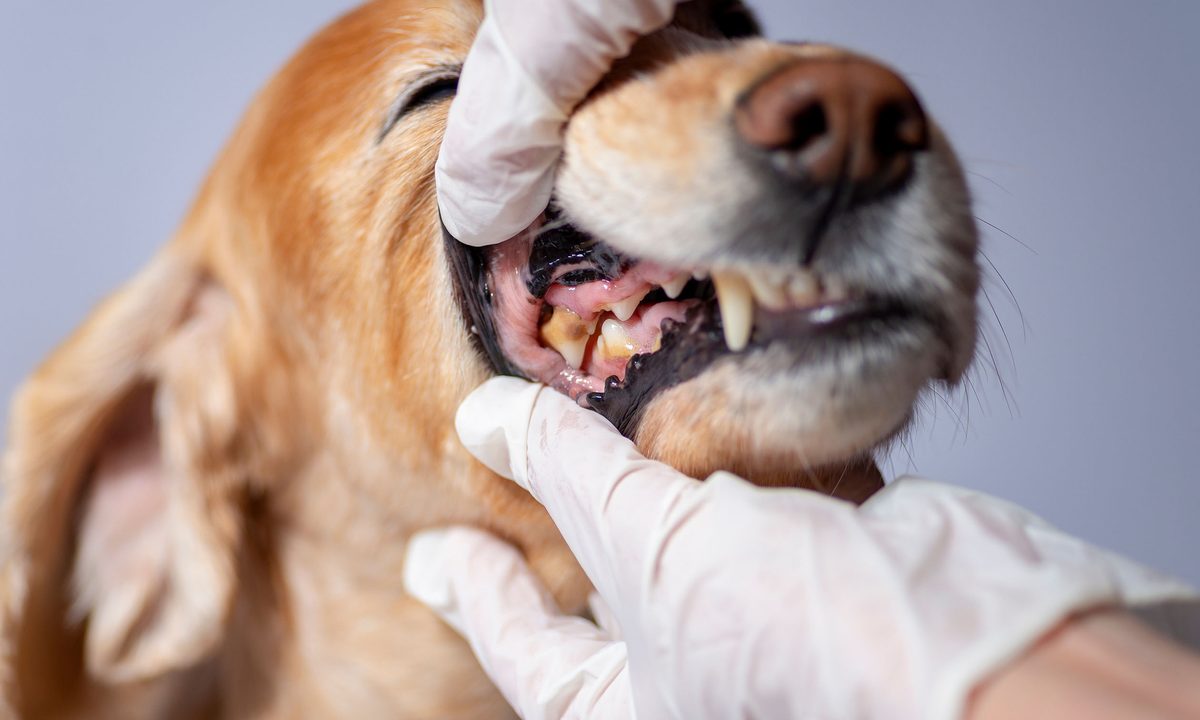
Unless it’s a really severe case, you probably can’t tell just by looking that your animal needs a trip to the dentist. Instead, your vet will take a peek in your pup’s mouth during their yearly checkup. The pet doctor may give your furry friend a dental grade between 0 and 4, with 0 being reserved for puppies that have perfect teeth and 4 meaning Fido will likely require more advanced care, including extractions. Once you have the assessment, you can better determine if your pooch needs a cleaning, but it’s frequently recommended.
What happens during a dental cleaning
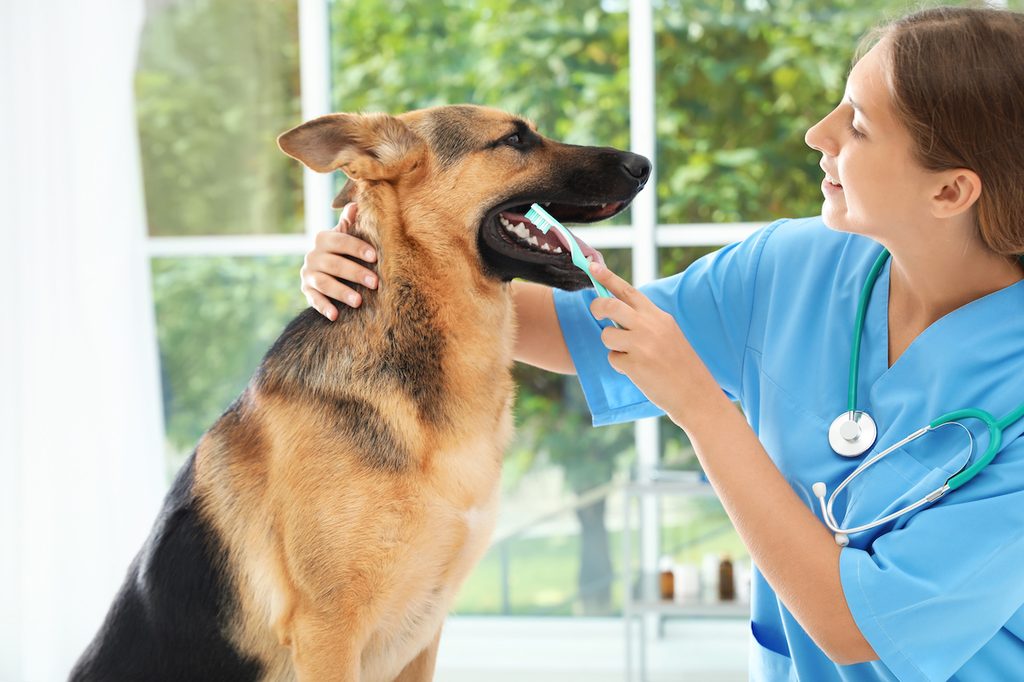
Some of that depends on the grade and your specific beast, but the gist of it stays the same. The main thing is not to worry too much because your little guy will be well cared for, and even though there’s always some risk to anesthesia, this is a routine procedure.
Getting your pup ready
Before you even begin, you should do pre-op blood work to make sure they can handle being under anesthesia. Have your vet discuss any outside-of-range findings and figure out the best way forward. Some older dogs develop kidney and liver problems with age, and your dog doc might decide that a cleaning isn’t worth the risk.
Prepping for the cleaning
Your little guy will likely fast leading up to treatment (just as you would if you were going in for surgery). When you arrive, your vet will go over the schedule and almost certainly give them a once-over to confirm they’re ready. Then they will get a sedative in preparation to go under. Figure out what time you need to pick them up and then try to distract yourself for a few hours.
During the procedure
Most vets will take X-rays, clean the teeth, and perform extractions as necessary. Don’t worry — your pet will be fully asleep and will not remember or feel a thing. If they do need any teeth pulled, they might get additional shots during the visit (again, just as you would get Novocaine while getting your mouth done). Your vet may also take this opportunity to clip their nails (since they are asleep), if necessary.
Aftercare
If your dog had to have any work above a cleaning, you could have a couple of meds to administer, such as pain medication and antibiotics. Follow the dosage carefully, especially if you’re dealing with strong meds like codeine. In some circumstances, they may have to wear the cone of shame to prevent scratching at the mouth.
Can vets clean dogs’ teeth without anesthesia?
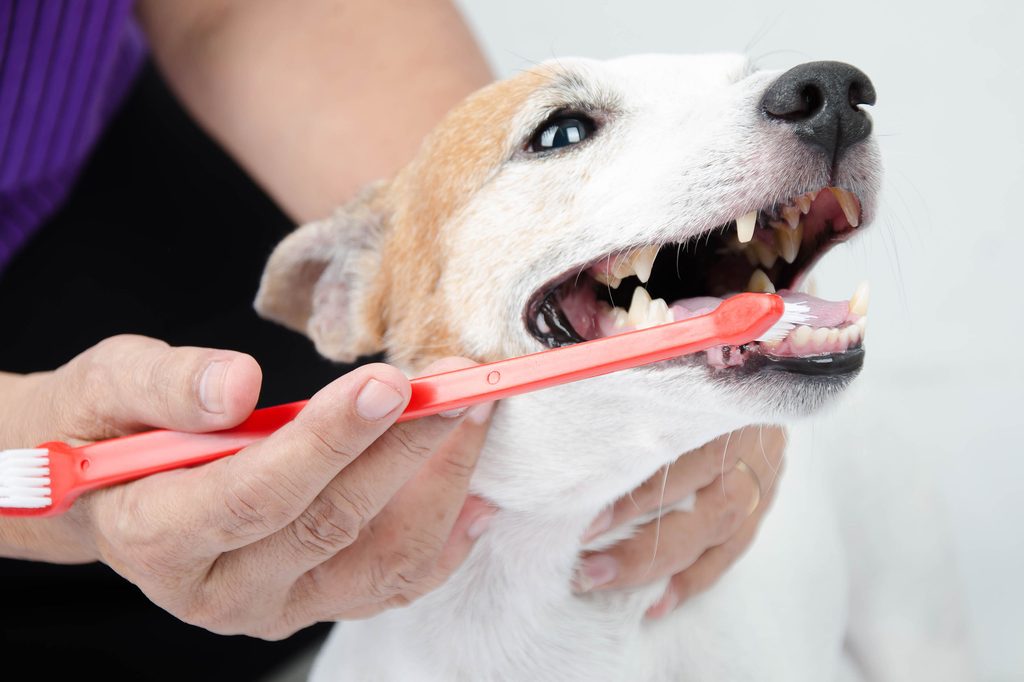
Yes, you can get your dog’s teeth cleaned without anesthesia, but it’s often not recommended. First, only dogs of a certain temperament will allow a comprehensive exam and brushing while awake. Many pups could become stressed, especially since they’re already in an unfamiliar environment.
In addition, a non-anesthesia procedure will never be as thorough and some spots could be missed. Because of this, some dentists won’t do or don’t recommend this workaround at all, instead opting for the full exam. For this reason, you probably only want to schedule a no-anesthesia workup as part of a maintenance routine.
How else can you help your dog’s oral hygiene?

There’s a lot you can do as the pet parent in between cleanings. Consider brushing their teeth, giving doggie dental chews, putting an additive in their water, or putting them on prescription food if the issues are really severe.
The most important thing is to stay on top of your furry friend’s oral health, just like you would with any other issues. That often means not feeding them human food, which can cause decay, and providing dry dog food or even dog bones to chew. As long as you stick with the routine, hopefully, you won’t need too much extra dental care.