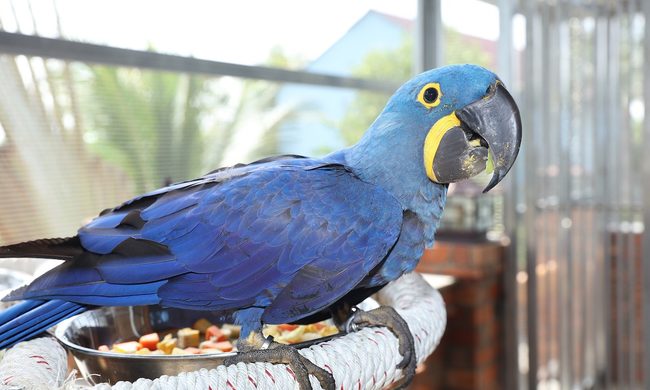
Have you ever gone to refill your bird’s dish and thought there was something not quite right with his seed? Or wondered whether sunflower seeds expire? Don’t worry, we’ve all been there. Like your own food, birdseed can go bad, and you shouldn’t feed it to your pets after it passes its use-by date. But by following a few simple guidelines, you won’t have to worry about what you give your feathered friend.
What kind of birdseed should I buy?
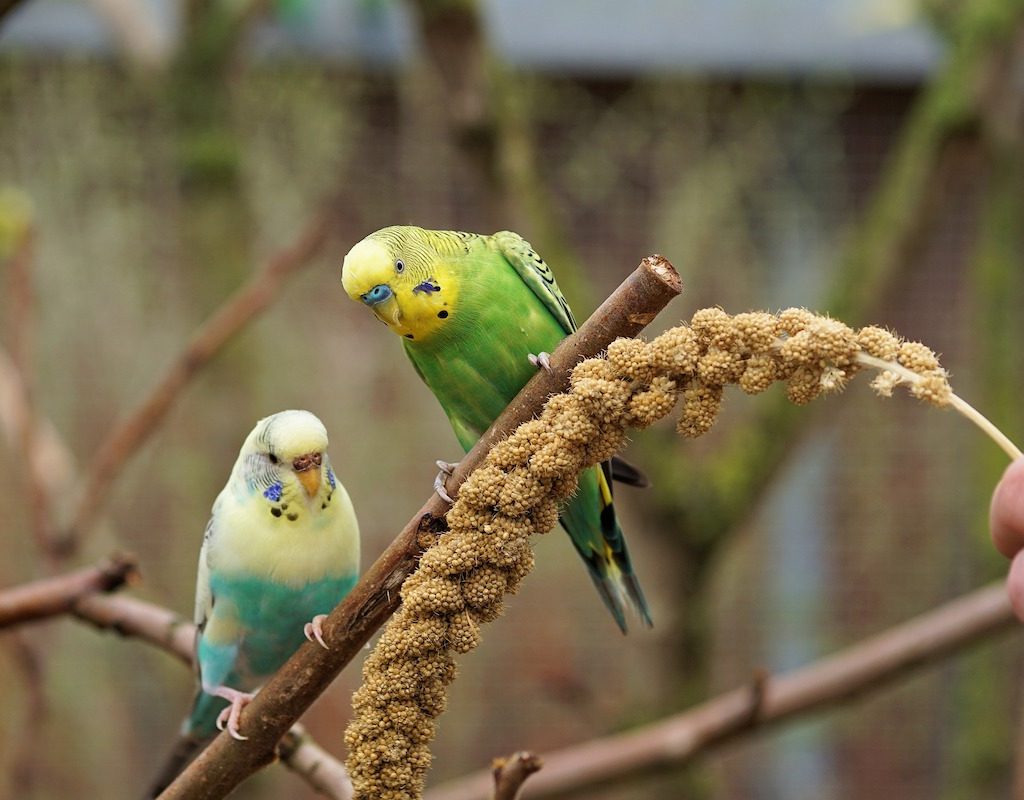
Bird owners know that not all avians are the same and they eat wildly different foods. Some need more oily seeds, and some prefer mostly non-oily. Therefore, you’ll need to make sure you buy the right kind of seed mix and the correct treats. How long your seed lasts also will vary a bit depending on what you’re getting and even how it’s prepped. We know our birdies love their special snacks, but mixing fruit or honey with seed can limit its shelf life. Specifically, any fresh ingredients need to be stored well away, and dried fruits might cause extra stickiness if left with seed too long. It’s best to keep each course of his meal separate until you put it in his cage, so you can better preserve everything and tell early when something’s gone south.
Where do I keep birdseed?
To keep food fresh, you’ll want to store it in a dry, cool area in a tightly sealed container. Some owners opt to buy a reusable plastic or glass vessel, and others prefer to keep it in the original bag. Regardless, triple-check that the ziplock seal or lid is tight. Don’t rely on a twist-tie to do the trick, as you want nothing getting into your bird’s food. Water is the worst offender for ruining birdseed. Even a little wetness will encourage spoilage and mold growth. Lots of mold will show visually, so inspect your birdseed carefully if you think it’s been contaminated or if it’s been sitting for a while. You’ll detect rot and some fungi better by smell, and it doesn’t hurt to give the bag an occasional sniff for good measure even if nothing looks wrong.
A thick container brings another major benefit as well: keeping out pests. It’s not just your bird that enjoys seed; many insects and rodents also would love to dine on your pet food cache. If you find your container torn, open, or otherwise disturbed, check for dead bugs and droppings. Sadly, if you discover any contaminants, you should dump it all out and start fresh, as these thieves can leave behind germs that will make your bird sick.
Does birdseed have an expiration date?
Your birdseed package will probably be stamped with a date a year or so in the future from the date of purchase, depending on exactly what’s in it and which species it was designed for. When it’s properly stored away, you should still be using up your bag every six to 12 months or so to maintain freshness. Every time you refill, check for signs that it may have turned prematurely. For example, finding clumps of seed or seeds that have sprouted indicates a bigger issue. Not only will you have to throw away the bag, but you also should look for the culprit. Sometimes it’s easiest to keep your pet’s food with your own to ensure it won’t get too hot or humid. Consider putting birdseed in the freezer, where it can keep for long periods without going bad (the fridge won’t work well, though). While it’s tempting to buy huge bags of food, it might wind up being more cost efficient to go down a size and avoid throwing out extra.
Even if the birdseed hasn’t expired, you should remember to frequently change out the food in your bird’s dish. Incorporate this refresh into a weekly cleaning schedule and replace it more often if you notice the food changing color or picking up an odor, or if you find droppings inside, even his own. Many treats should be removed immediately when he’s finished, especially if they’re wet like fruit to avoid spoiling or attracting bugs to your bird’s cage. Luckily, cuttlebones don’t really expire, so no need to replace this before your bird finishes it. He’ll also sometimes tell you if his meal doesn’t look good enough. Give it an extra once-over if he turns his beak up at his usual favorites. A little attention and a few precautions in storing and serving your bird’s food will help ensure he’s getting only fresh, tasty nutrition at every meal.