The bane of many an aquarist, black beard algae (BBA) haunts fish owners of every ability level. If you’ve never experienced this easily spreading nuisance, allow us to warn you that prevention works best to keep it out of your aquarium. Once BBA takes over in your tank, you may have to take drastic measures, including removing live plants and disposing of them.
Read up on black beard algae and stay conscientious about keeping the algae out of your housing to begin with. If worse comes to worst, and you do need to remove this water weed from the fish home, follow these steps to get rid of it as quickly as possible.

What is beard algae?
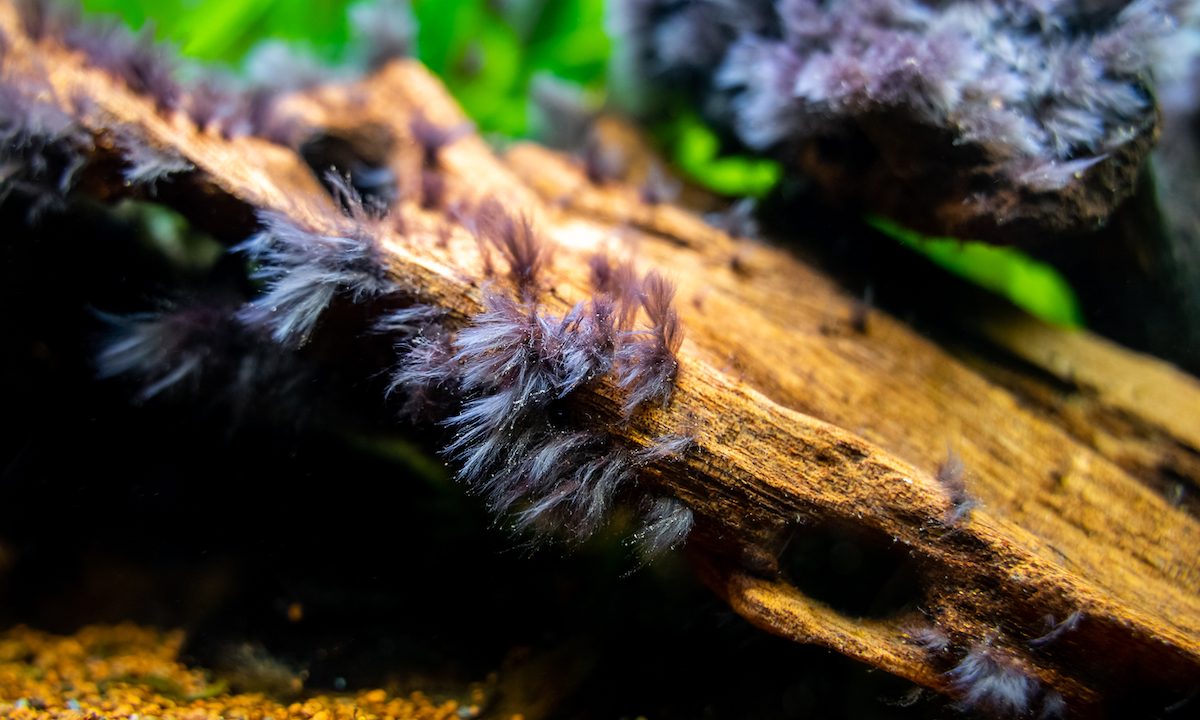
In short, a menace. This is algae that grows on plants, rocks, and wood. It’s called "beard" because you’ll find tufts of it covering a plant leaf or the tip of a rock. All it takes is one little tendril to wind up in your tank, and it’ll quickly take over. Although “black” is included in the name, you’ll often see a greener color, and BBA actually belongs to the red algae family.
Why is my fish tank getting black beard algae?
Here’s the good news: Algae doesn’t spontaneously generate, and this one is not living in the air opportunistically like bacteria, so you can take concrete steps to keep it out of your aquarium. As long as you thoroughly clean new accessories like rocks, wood, and gravel before adding them to your tank, BBA shouldn’t be able to hitch a ride on those items.
One of the most common ways that BBA enters the ecosystem is when you add a new animal to the tank. There’s an easy method for preventing this: quarantine. That’s right! Keep your new fish on their own for a bit. In case BBA might be floating in the water with the fish, scoop them out with a net before depositing them in the tank.

Is black beard algae harmful?
Unfortunately, it can be. When black beard algae grows on a leaf, it’s blocking the light that the plant needs to nourish itself. That effectively starves, and can even kill, the beautiful fauna in your tank.
So don’t wait until the algae has grown into a small forest to take action. Too much BBA will also throw off the delicate balance of your aquarium. It’s essential to carefully maintain all proper chemical levels in the environment, and you don’t want the algae to interfere with that.
Do fish eat black beard algae?
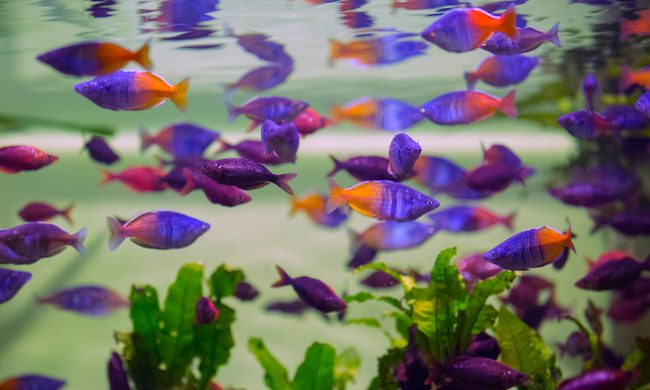
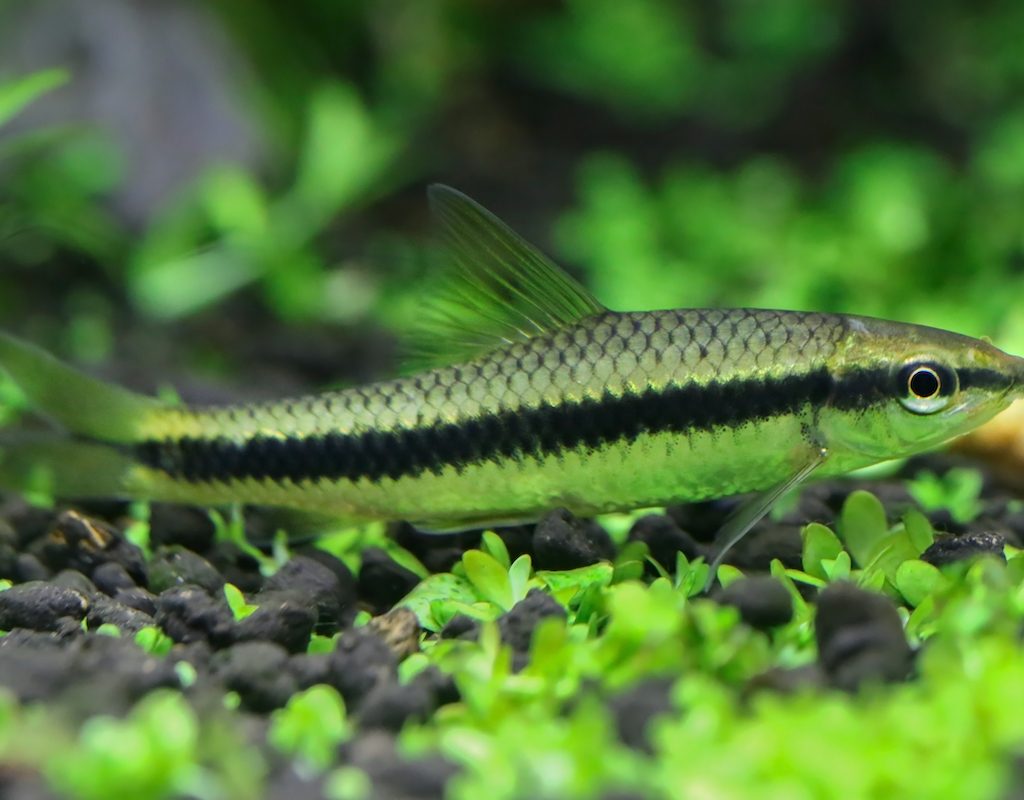
Yes, a few fish will become your partners in crime to keep the evil algae at bay. Both the Florida flagfish (Jordanella floridae) and the Siamese algae eater (Crossocheilus siamensis) will happily munch down on this interloper. Carefully select these fish from a local breeder since you might find other species with similar names.
Introducing the Florida flagfish or Siamese algae eater will go a long way toward maintaining the health of your aquarium, provided they get along with your other fish and fit into the environment.

How do I get rid of black beard algae?
Ever heard that an ounce of prevention is worth pound of cure? That phrase may have been invented to describe BBA, which can fight you once it enters the tank.
Step 1: Only bring in safe plants.
Research your source carefully and remember you can always quarantine anything that you plan to add to the tank.
Step 2: Keep your flow consistent.
A stagnant aquarium isn't good for anyone, and it can affect your CO2 levels, but BBA often flocks to high-flow areas, such as the water right next to a filter.
Step 3: Check your levels.
You spend time ensuring there's enough oxygen in your tank, but be aware that black beard algae thrives in low CO2 environments.
If you spot the offending plant, you should begin meticulously checking carbon dioxide levels. Adding a CO2 booster is an easy way to help keep the unwanted algae down.
Step 4: Clip plants.
You might get away with just clipping some leaves if you catch BBA in the early stages.
Step 5: Treat with bleach.
Once BBA has taken hold, you will need to remove everything in the areas where you see it thriving. That means pulling plants and wood for treatment. Place everything into a 10% bleach solution for three minutes to kill the algae while keeping the plant alive.
Step 6: Clean thoroughly.
Be prepared to do some scrubbing, bleaching, and conditioning. Regular water changes and careful monitoring are always the best ways to keep your tank healthy. When BBA is present, you will take that up a notch, or more. Don't be surprised if a few tries are needed to truly knock it out.
Step 7: Add its enemies.
As mentioned, a few fish eat algae, even this kind. If you are up to the task and your tank meets the requirements, get some Siamese algae eaters or Florida flagfish to help.
In the end, simple measures like checking CO2 levels and ensuring proper lighting all can contribute to avoiding contamination and keeping fish healthy. While we want you to be prepared to tackle BBA if it ever pops up, keep in mind that it won’t instantly kill your fish. Take a deep breath and follow the steps provided here to rid your aquarium of the pest safely and effectively.