Owning a small pet will bring numerous joys to your life: snuggles, companionship, and endless funny videos for TikTok. But it also introduces some unpleasant factors, such as a smelly cage. Your new furry friend doesn’t have opposable thumbs, so it’s up to you to keep the place clean (though they’ll likely help you out). Rabbits, hamsters, and many other creatures do prefer to designate one space as their potty and rabbits can even be trained to use a litter box. Still, you need to put time and elbow grease into keeping his home clean in order to reduce the bunny stink. Here are the best ways to keep the cage-smell at bay.
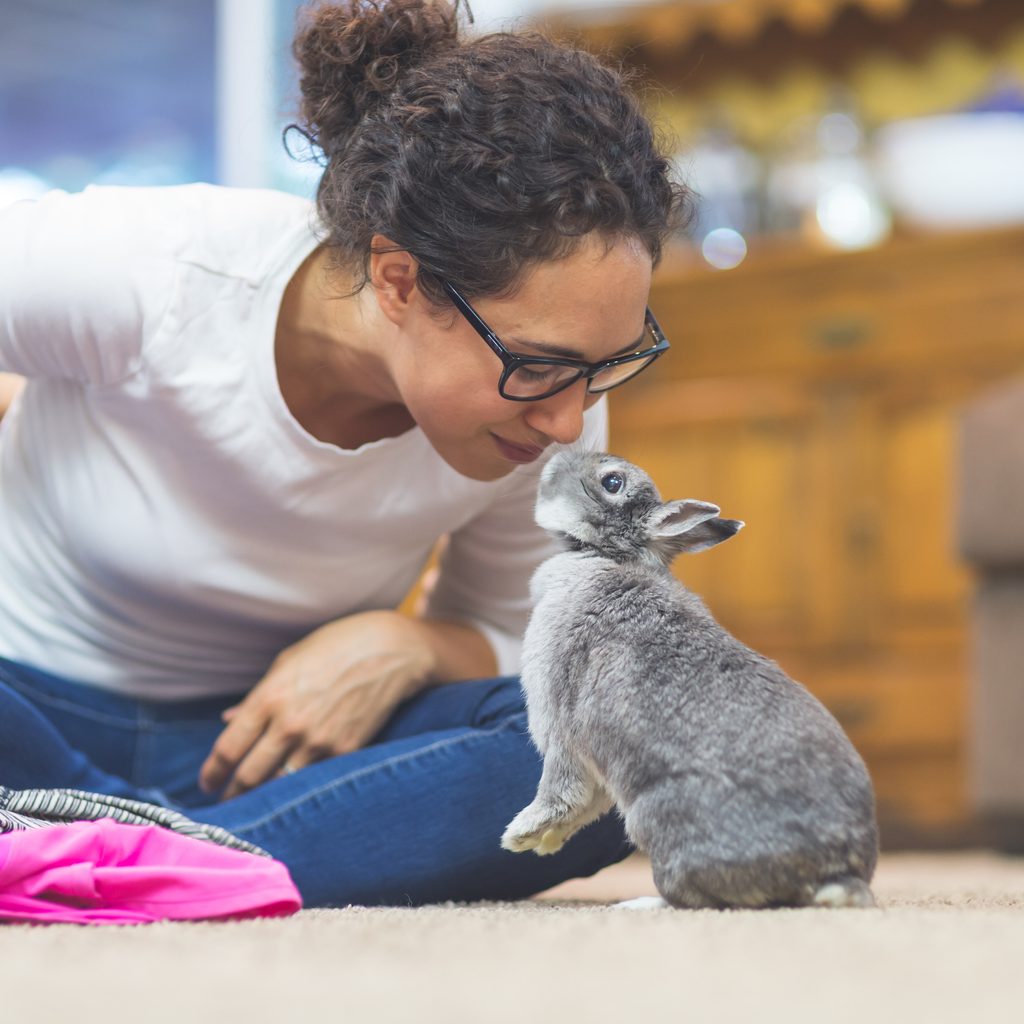
How to clean a rabbit cage
The first defense against smell is a sparkling clean cage. You should strive for a small cleaning every day so it doesn’t pile up and so your pet never has to live in squalor. As part of your feeding process, clean the food and water dishes and pull out any leftovers. While you’re at it, grab obviously dirty bits of hay or other bedding and replace them. Since you must attend to your rabbit every day anyway, you can make this part of a routine. However, once per week you need to take your cleaning a step further.
Pull everything out, including your rabbit! Use this as a chance to give him some extra playtime — in a separate area. If you have a bunny pen, you can set him down next to you while you work. Otherwise, assign another member of your household to rabbit duty.
Many cages come apart for easy cleaning and you’ll want to pull out every toy, bowl, and accessory during the process. When removing the accouterment from his cage, you should also discard old, soiled bedding and litter. The goal is to reach every nook and cranny of his home.
Scrub everything thoroughly. There are pet-friendly cleansers out there that help to combat the smell, especially urine, but warm water mixed with a splash of vinegar works too. The important part is to really scrub every corner, surface, and bar, top to bottom. This includes the litter box if you’re using one. The trick is to remove any leavings that stink up your house, and his. Wait for the cage to dry completely (wet hay will mold) then put everything back together. Add new material to the bottom and fresh litter to the litterbox, and voila! He’ll enjoy the house cleaning just as much as you do.
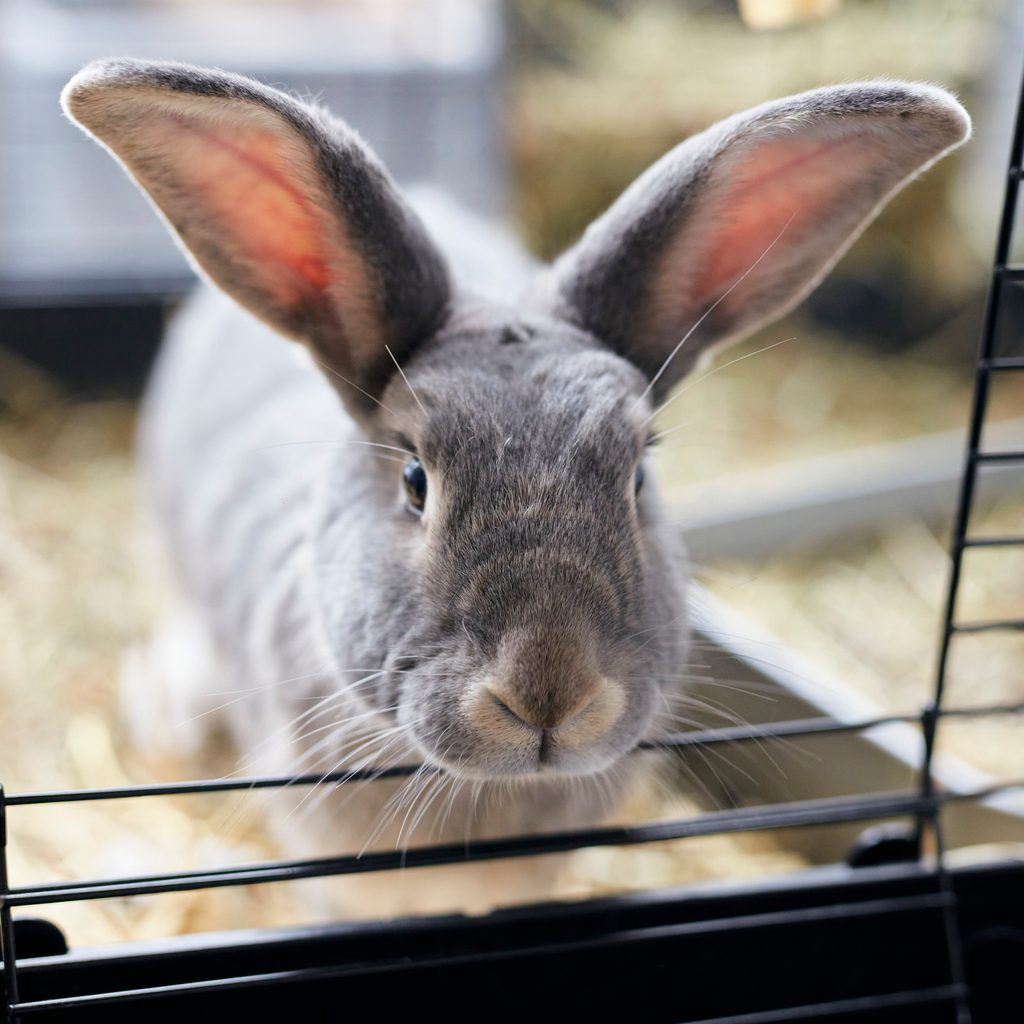
How to keep a rabbit cage from smelling
While regular maintenance will keep most of the smell at bay, you may still get an unpleasant whiff now and then. There are a few more steps you can take to eliminate the odor as best you can, but remember that having an animal in the house means some amount of smell.
- Improve ventilation. This one’s tricky because you don’t want heat or AC blowing on your rabbit constantly; he won’t like it and it might make him unable to control his body temperature. Putting him in a room with natural airflow will help because the smells won’t linger in dead air. Choose an appropriate spot before you even bring him home to nip this in the bud.
- Change his diet. Rabbits need to eat tons of hay, some delicious greens, and commercial pellets. You may also opt for the occasional treat like a banana or carrot. If you find that his bowel movements are extra smelly or too loose, you may need to cut back on the snacks. Try to aim for a small amount of pellets and stick mostly with the super healthy (and fibrous) veggies.
- Go to the vet. Any sudden changes in your bunny’s eating habits can be cause for alarm. Rabbits have very sensitive tummies and these deviations may give you a clue that something else is going on. Take your cutie to the vet to find the root of the cause. Also, consider spaying/neutering your bun. An unaltered rabbit’s urine usually has a stronger smell than one that has had the procedure. In addition, male rabbits tend to scent mark when they’re ready to mate if they haven’t been neutered.
Keeping your rabbit from stinking up the place mostly means keeping his cage nice and clean, which is worth every ounce of work. Avoid any harsh chemicals both during the cleaning process and as air fresheners. Luckily, your cottontail will naturally want to live in an unsoiled environment. He’ll be working with you, not against you.