June marks National Zoo and Aquarium Month, and we’re gonna join in on the festivities! We’ve found tons of ways to ring in the month — everything from giving your animal extra perks to taking a special trip to see some sharks. It’s also an important time to give back to rescues, animal shelters, and environmental organizations, as we wouldn’t have our pets without them. We all need to invest in the future of our furry friends to help them thrive in our world.
Take a trip to your zoo or aquarium
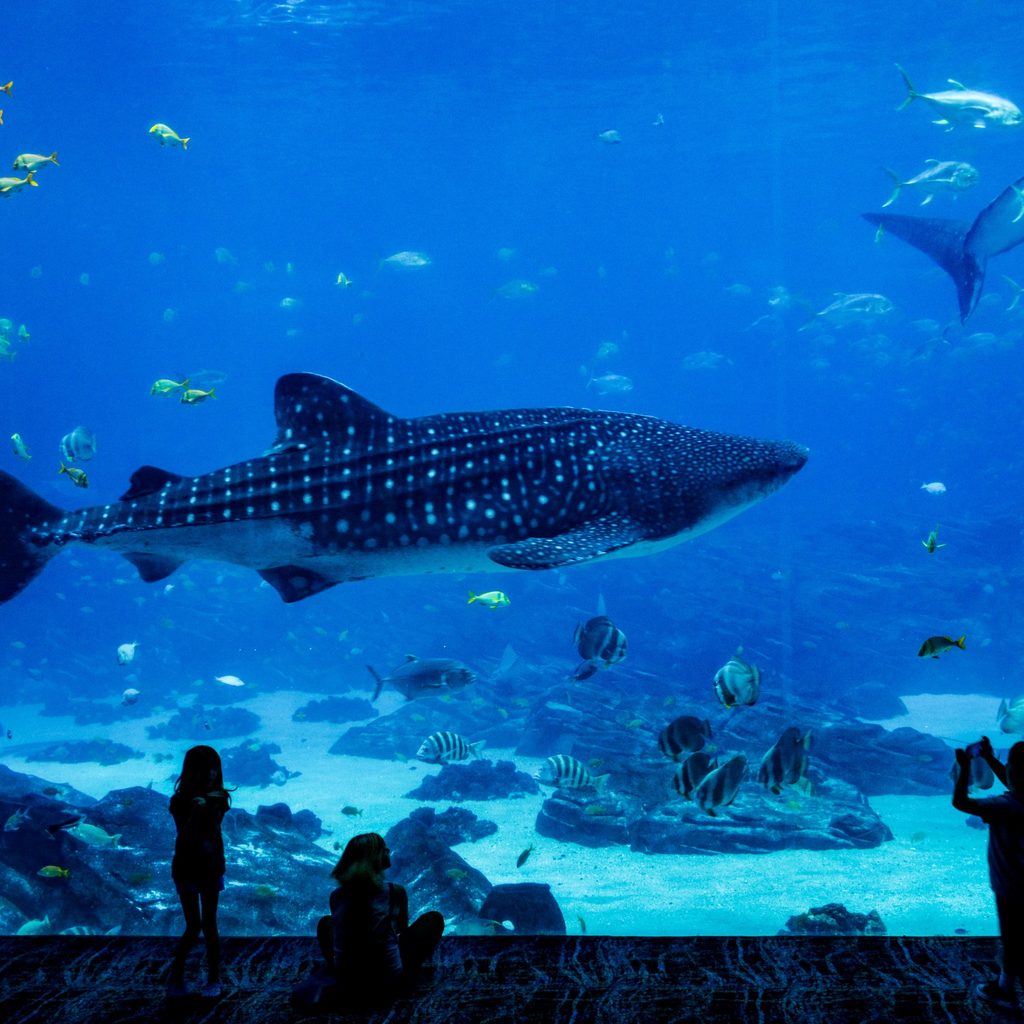
There’s no better time for a summer outing to your local animal hot spot. Many organizations will have special events on weekends celebrating the month. Take the opportunity to meet with zookeepers and aquarists to learn more about the animal species who live there. Some of the animal inhabitants may be rescues with stories about how they came to their new home. While you’re there, check out the conservation efforts showcased by your aquarium or zoo to get an idea of the bigger picture.
Start your own tank
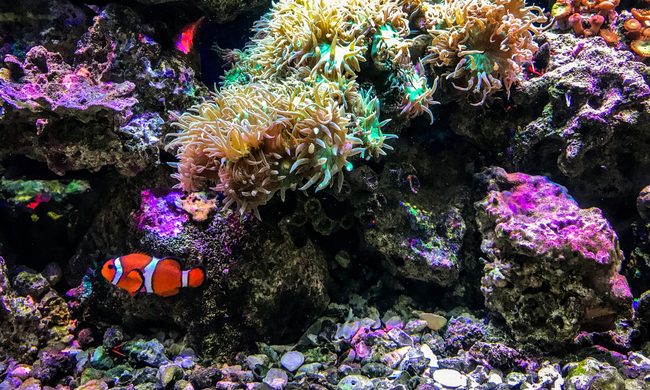
We know it doesn’t compare to seeing 20-foot-long sharks, but a small aquarium in your home can help you celebrate the month and grow your animal pack. For beginners, stick with freshwater fish that tolerate slightly wider temperature and pH ranges. You don’t want to take in too many animals or ones that are too tricky and discover that you don’t feel equipped to handle them. Intermediate tank specialists can look to nonfish animals like crabs and seahorses. (We know seahorses are fish, but they’re wonderfully weird enough to almost not be.) Only the pros should go for complicated saltwater aquariums requiring elaborate filters and gauges to maintain. Set that as a goal for a few years down the line.
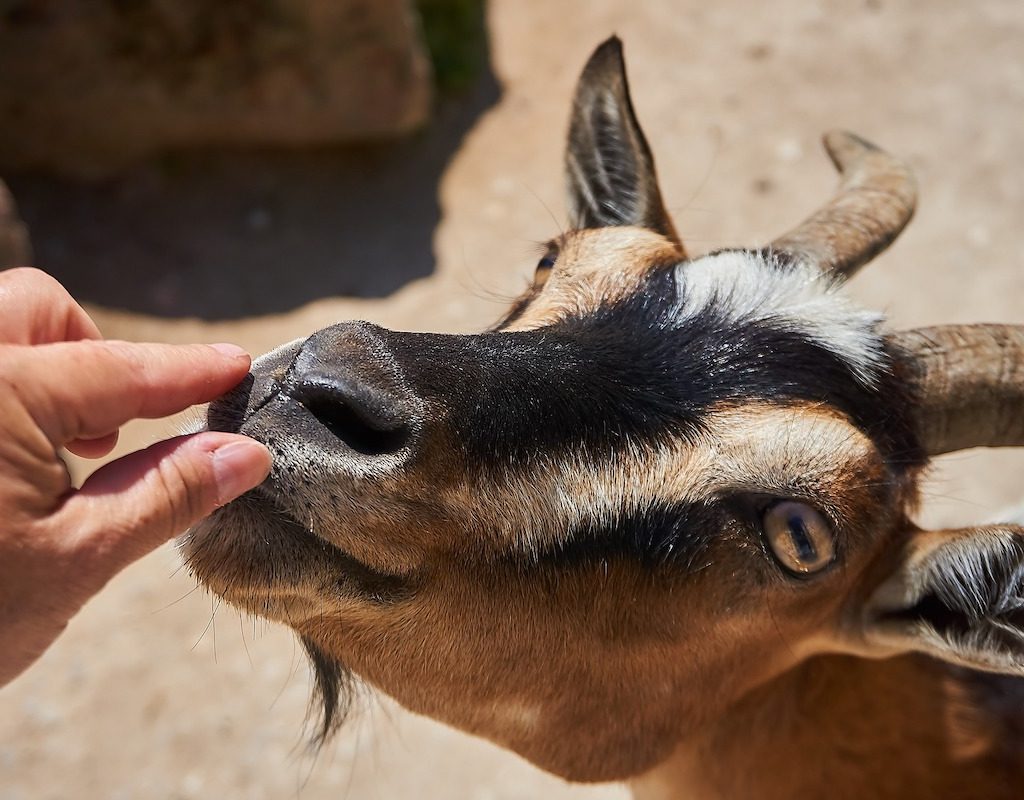
Volunteer with animals
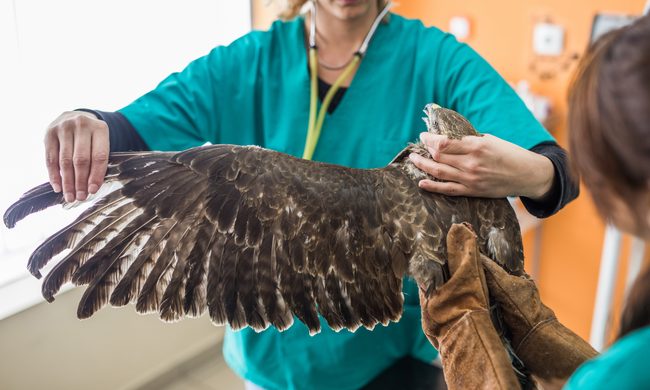
Many local organizations need help to keep things running, especially those that deal with a wide variety of fauna. Look into places that take in all kinds of homeless animals beyond dogs and cats, such as rabbits, small rodents, snakes, or farm animals. Your pet ownership expertise will come in handy if you focus on the species you have the most experience with. Tasks might include feeding, walking or exercising, and cleaning up. Who knows, you may find yourself learning a trick or two for managing your pets.
Donate to rescue organizations
These nonprofits can run the gamut from local dog shelters to international organizations, many of which deal with much bigger animals, including walruses and elephants. It can be tricky to find the right spot to send your donation or even to spend your volunteer time at. Look for places that have clear policies on environmentalism and animal welfare. Check into accreditation and make sure no animals have been unethically removed from the wild (the one exception being rescue and rehabilitation/release). Consider “adopting” a rescue animal with your donation, which can get you the chance to see special pictures of your new friend.

Watch educational shows
You don’t need to travel at all to see a safari or the Amazon. All these environments and their respective animals exist in numerous movies, shows, and specials. Choose your preferred streaming platform and find excursions into the wild to see polar bears on the tundra and then tigers deep within the jungle. On top of watching lion cubs frolic, you will learn about the species of the world and the things that threaten them. Use this as a teaching moment for yourself and your family. Seeing the animals up close in their natural habitat can have a lasting impact on anyone.
Don’t forget to shower your pet with love as you always do. We know you don’t need an excuse for this, but it’s a helpful reminder to check in with your animal. Take some time to reflect on everyone who plays a part in your pet’s care: the shelter you adopted her from, the vet who keeps her healthy, the owners of the dog park who give her a chance to run around. This is a perfect time to thank them as well. You can also get the word out about a particular cause, organization, or local animal attraction that you believe in. Your friends and neighbors will thank you for encouraging them to celebrate Zoo and Aquarium Month, too.