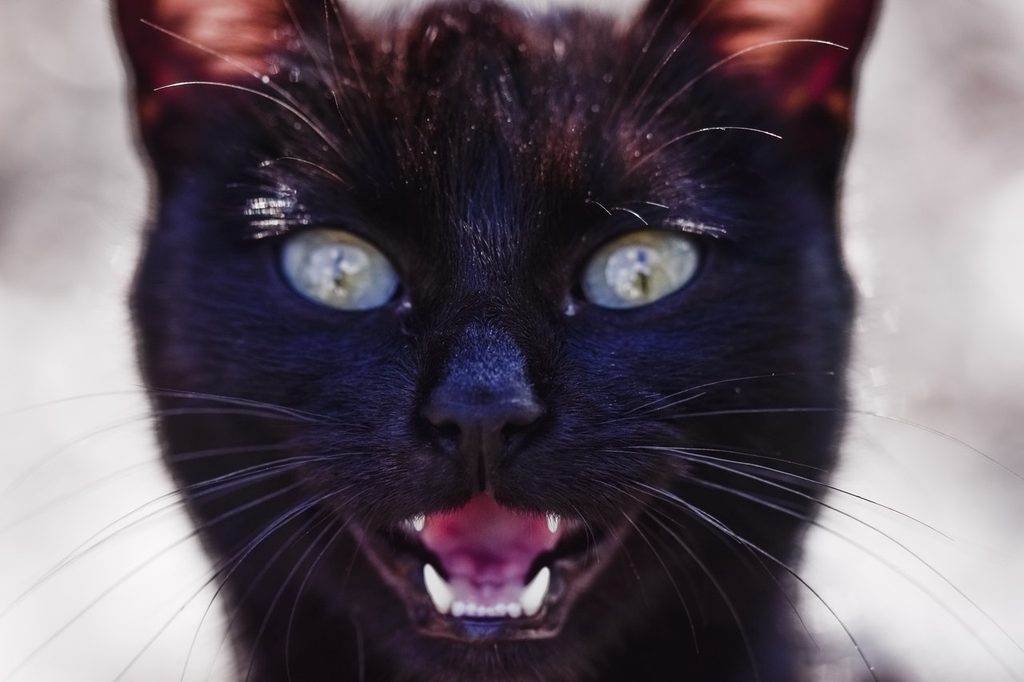
When you conjure up thoughts about Halloween, a few things probably come to mind — sinister witches with wrinkled green skin, carved pumpkins, ghouls, ghosts, a pumpkin spice latte from Starbucks, and mischievous black cats lurking in the shadows (and possibly dressed up in costume). Out of all these symbols, Halloween black cats are the only one you’ll probably encounter in everyday life that still carries a negative connotation. The question is, why?
How did black cats get such a bad rep, especially around Halloween, and why, even to this day, do people go to great lengths to avoid black cats? Depending on whom you ask, myths and stories about black cats have been around for millennia. One thing is clear, however. Black cats are still the victims of lies, false beliefs, and undeserved fear.
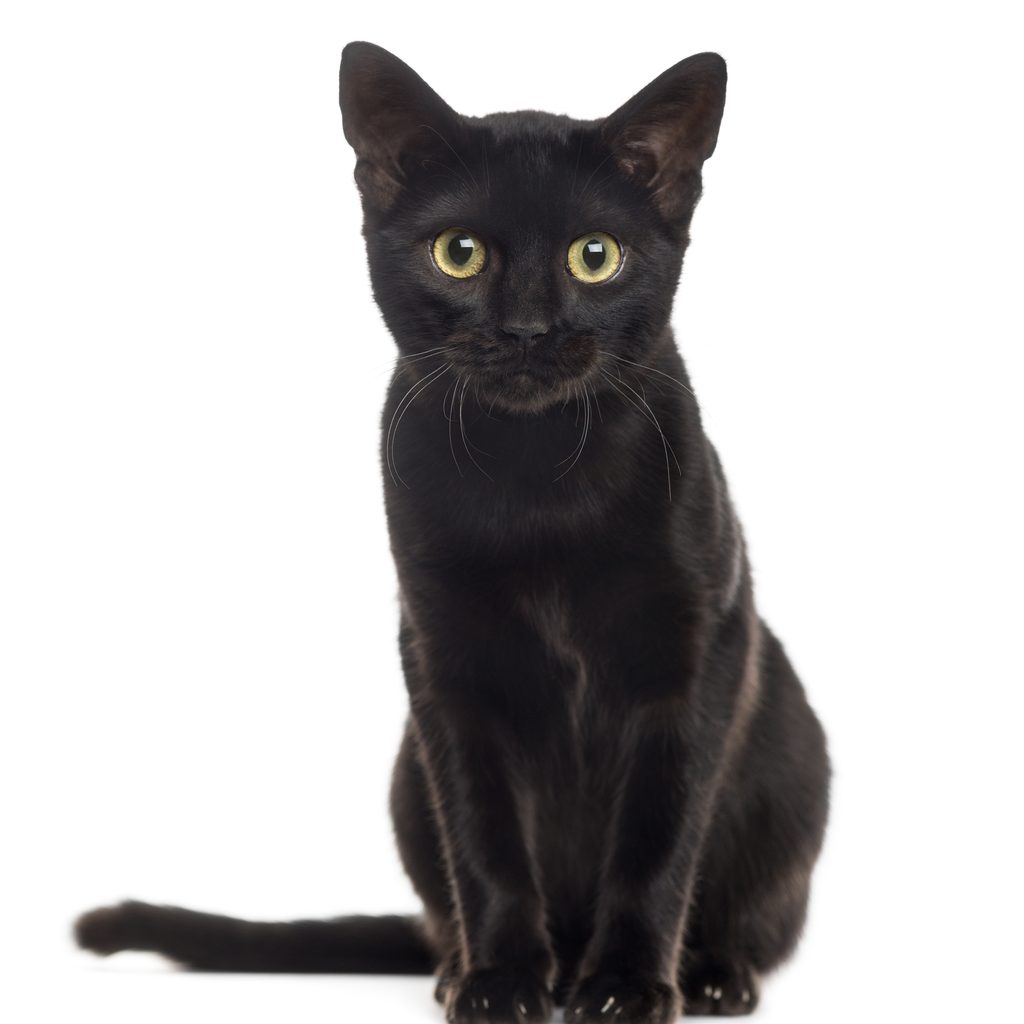
Many negative stories and beliefs surround black cats
One story dives into ancient legend. The ancient Greek goddess Hera is said to have transformed one of her servants, Galinthias, into a black cat as punishment. Superstitions around black cats arose during the European Dark Ages when black cats became associated with witches. This continues today, as black cats are sometimes associated with dark spirits.
Amber LaRock, a licensed vet tech based in New York, adds, “Seen as a pest roaming around the streets of ancient Europe, the meaning of their presence underwent a dark transformation. Some believed that witches would curse those who treated their black cats poorly, while others believed black cats were a manifestation of the witches themselves.”
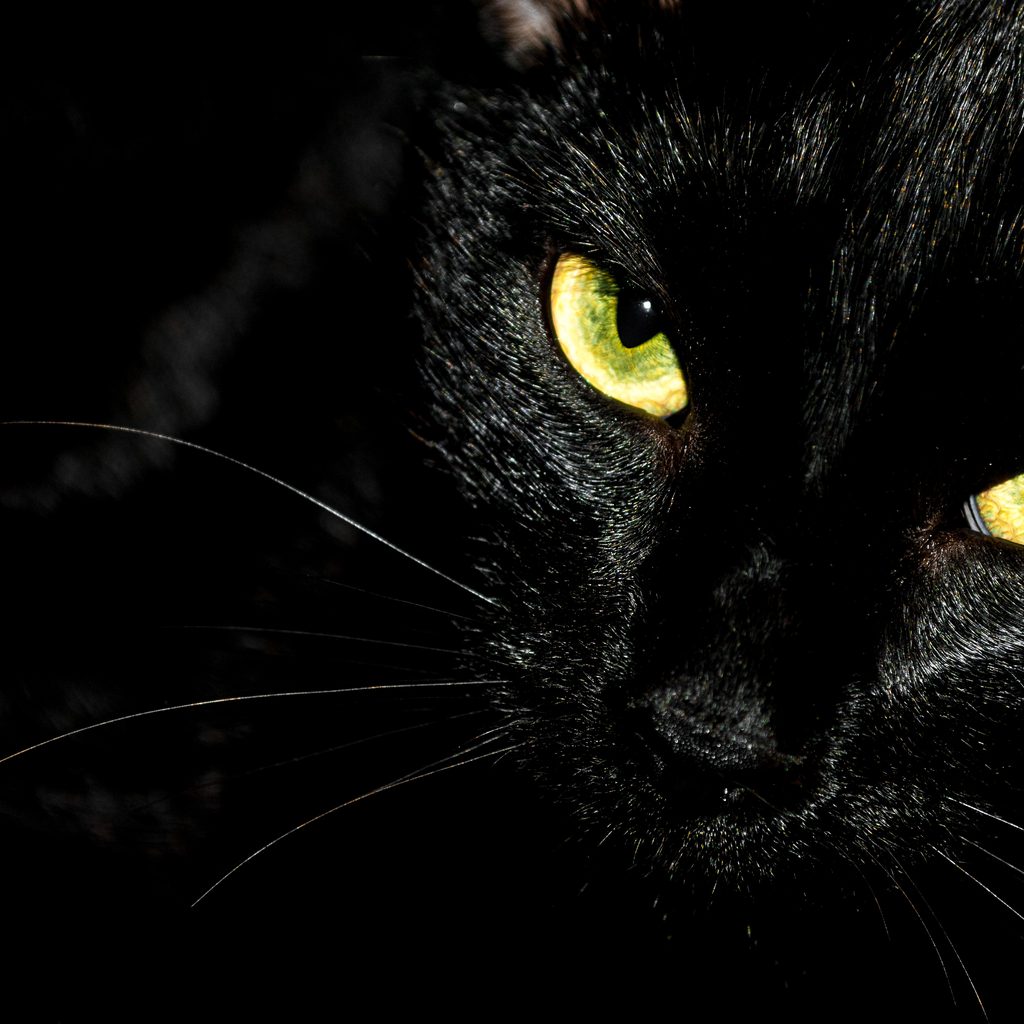
In the mid-1300s, during the Black Plague, black cats picked up another superstition that did nothing for their reputation. It was believed that black cats were directly associated with causing and spreading the disease, which resulted in them becoming feared and disliked. Ironically, cats were the unsung heroes of the plague. They helped curb the rat population that carried the fleas that caused and spread the plague, which wound up killing somewhere between 75 and 200 million people. It was centuries before these cats were given their due.
LaRock adds, “The association of black cats and the Wicca practice is believed to have stemmed from the Christian perception of Wicca, and not Wicca itself. Black cats were rumored to be tied to witchcraft in the Middle Ages. This led to the perceived sinister connection between black cats and Wiccans.”
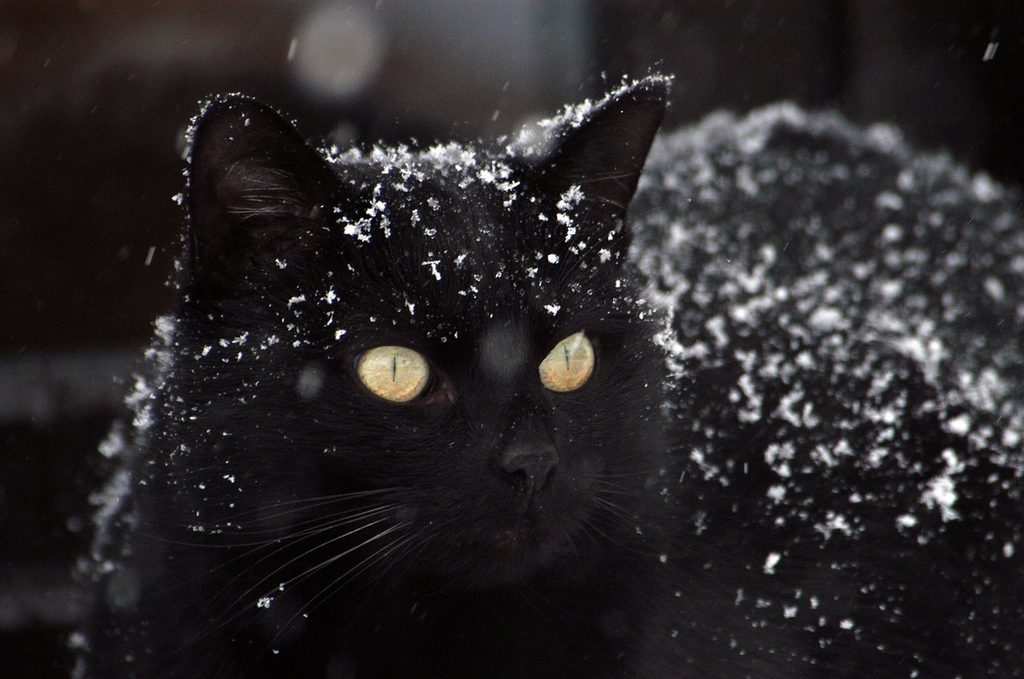
Why are black cats a Halloween symbol?
Northern California–based Cerridwen Fallingstar is a Wiccan priestess and the author of Broth from the Cauldron: A Wisdom Journey Through Everyday Magic. Fallingstar explains, “Both Halloween and black cats are associated with witches. Witches were the pre-Christian pagan practitioners of Europe. They were in direct competition for the hearts and minds of the people, so while the early Christian church in Europe coexisted with the witches, as the church gained power, they began persecuting, hunting, torturing, and killing them in vast numbers.
“Witches honored the natural world, having a deep respect for plants and animals. Affection between human and animal, therefore, began to seem diabolical or devilish, and the old lady with her cats became seen as suspect. Cats, like the women accused of witchcraft, tended to exhibit a healthy disrespect for authority. In the church, neither independent women nor independent animals were tolerated.”
Fallingstar adds, “During times of the plague, the church blamed witches and their familiars, usually cats, for the spread of the disease. Later, Halloween was originally one of the most sacred holy days of the European people. It was a holiday that honored the ancestors and the beloved dead. It was very much the same as the Hispanic Dia del Los Muertos. Our current culture is death-phobic, so a holiday honoring the dead is frightening. Our unhealthy relationship with all the murdered witches may have something to do with the fears that have since surfaced around witches and their familiars.”
“The fear is directed at black cats because patriarchal religion tends to be dualistic — with all qualities divided into good or bad. If light is good, darkness is bad. If white represents good, black represents evil. This is the underpinning of racism, and it is also what fuels superstition about black cats being evil,” says Fallingstar.
Many believe it was also the church that helped perpetuate the fear of black cats. “In the superstitious Middle Ages and Renaissance, a black cat crossing your path might indicate that a witch had sent her familiar to do you harm. After encountering a black cat, many fearful peasants of the day would hurry to the nearest church and pay for a priest to bless them and rid them of any curse that might have been laid by the cat. As this was a tremendous source of income for the church, such fears were encouraged by the church leaders,” Fallingstar explains.
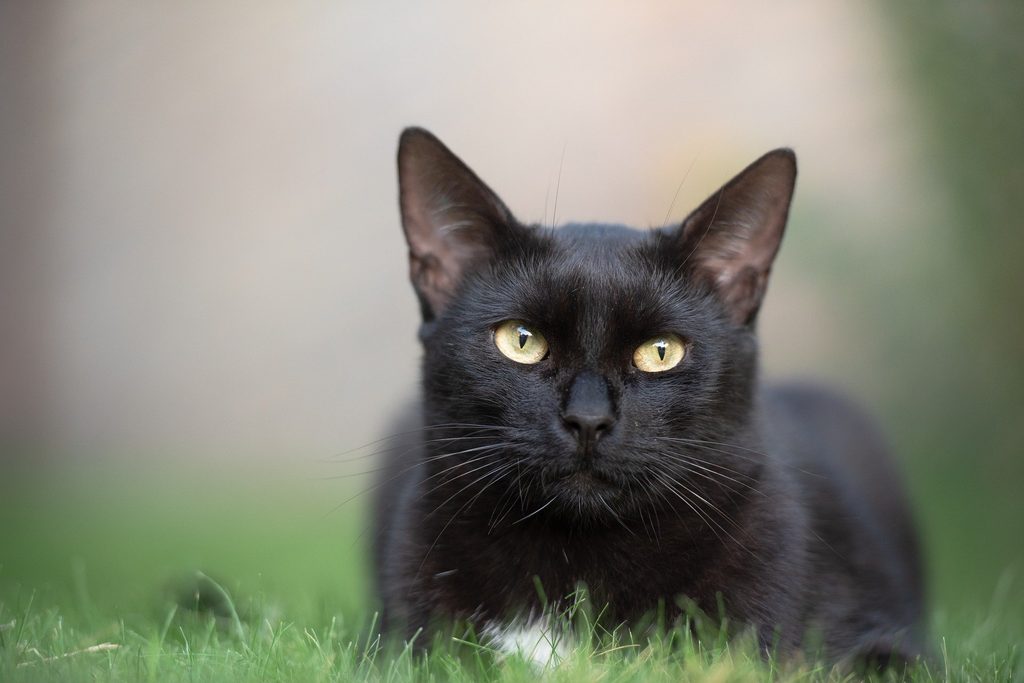
How the black cats of today have been impacted
The bad buzz around black cats even affects their chances of adoption. Every year around Halloween, some animal shelters take extra precautions around allowing black cats to be adopted, out of fear they’ll be harmed. “Rescue workers have continued to state that there is no actual evidence or previous studies to support an increase of abuse to black cats around Halloween. This is just a myth that continues to circulate each year, and it negatively impacts the black cat adoption rate year-round,” says LaRock.
“Black cats are in no way a vector of bad luck, evil, or anything in between. Black cats are as lovable as any other cat, and they deserve to finally be separated from any negative stigma surrounding them. There is no proof that black cats have any different behavioral traits than any other cats,” LaRock adds.
Nevertheless, as long as suspicions and superstitions shadow black cats, some animal shelters hold on to black cats during the month of October to keep them safe during the Halloween season.
Jenna Mahan, director of claims at Embrace Pet Insurance and a registered and licensed vet tech, explains: “In general, black cats and kittens are the hardest rescues to place in homes. To keep black cats safe around Halloween, many rescue and shelter organizations refuse to adopt out black cats and kittens in the month of October, out of fear that something or someone could harm them. In addition to the fear of animals being put in danger, organizations often keep potential adopters away to avoid the risk of someone adopting a black cat to be used as a prop in conjunction with their Halloween costume, only to return the cat to the shelter when the holiday is over.”
Dr. Michelle Burch, veterinary consultant for Safe Hounds Pet Insurance, adds, “Some shelters still hold on to the myth that black cats are at risk of being adopted during October to become potential victims of ritualistic abuse or sacrifice. This legend, however, has been debunked. Today, some shelters promote black cats, or black-and-orange cats, during October. Throughout the year, black cats have a more challenging time being adopted through a shelter. As a result, black cats experience higher euthanasia and lower adoption rates than other cat colors due to the stories and superstitious beliefs that surround them.”
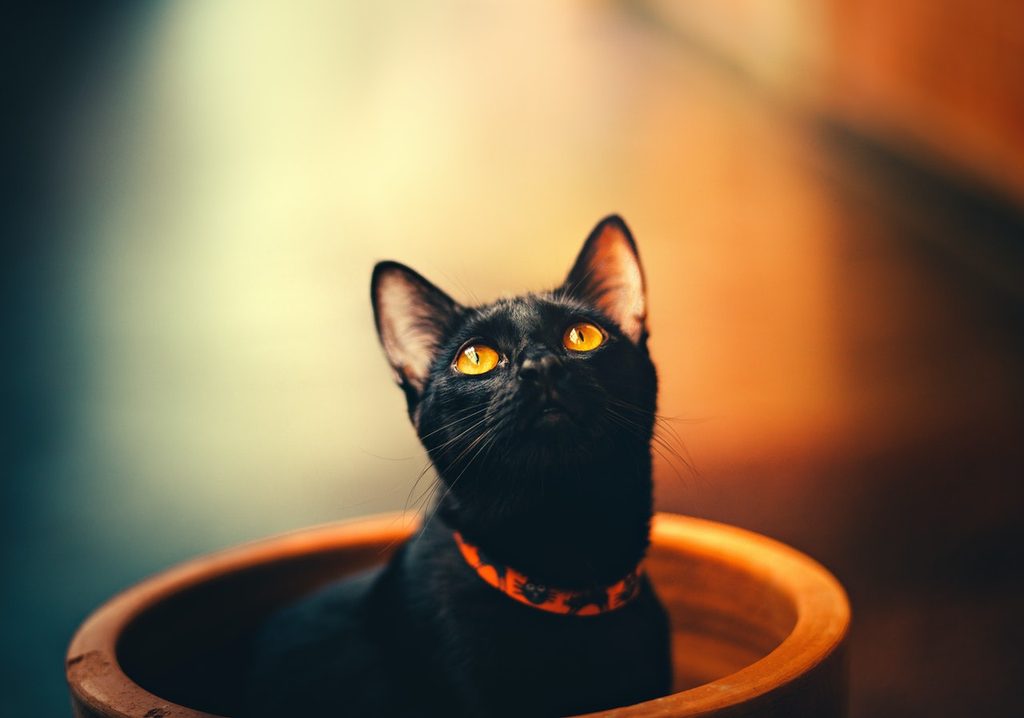
Should you keep your black cat in on Halloween?
While it’s definitely a myth that cats shouldn’t be adopted out in October, we do recommend taking necessary precautions around a night of heavy foot traffic. Truthfully, you should probably keep any indoor/outdoor cat snug inside on this night since there could be pranksters or gaggles of loud kids out, who are just as likely to scare your cat as they will them. Additionally, some Halloween candy poses a threat to kitties, including chocolate. If your feline is the type to scrounge for scraps, make sure to keep them safe away from trick-or-treaters until the sidewalks are free of leftovers.
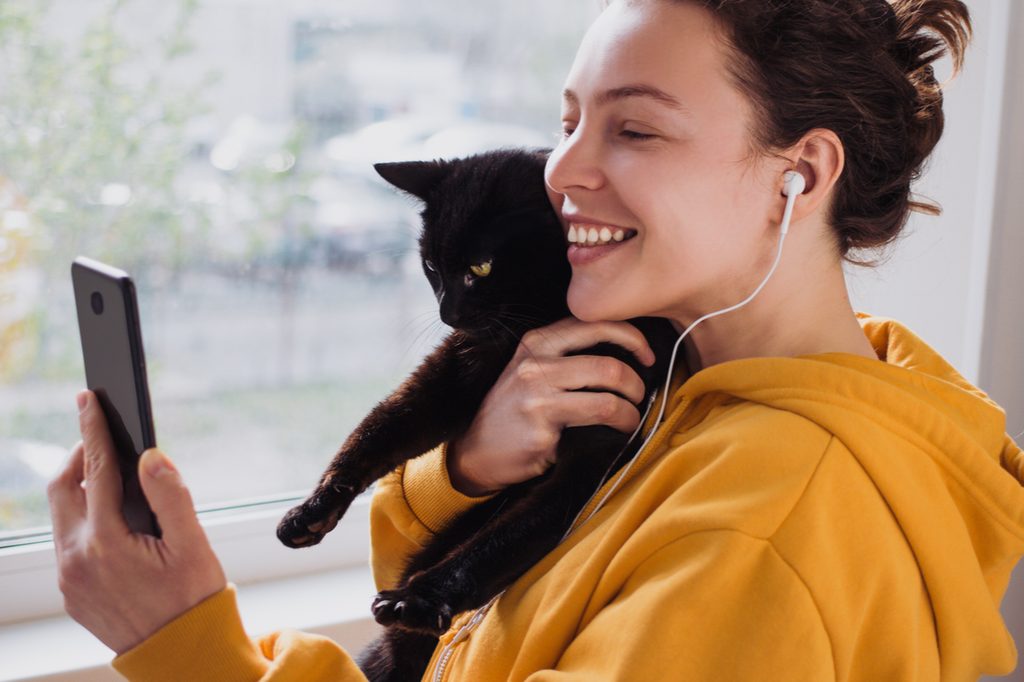
There’s good news, too, for black cats
It’s not all bad news for black cats. Some modern-day cultures believe only positive things about cats with dark fur. For example, cultures in Japan, China, Egypt, Ireland, and parts of Europe consider black cats to be symbols of luck and good fortune.
From a scientific standpoint, the primary difference between a black cat and any other cat is their higher level of melatonin pigment. Melanism gives the cat’s fur its dark-black color, which is often combined with gold-colored irises in the cat’s eyes for a striking, maybe slightly otherworldly appearance. Aside from peoples’ false beliefs based on propaganda and fear-mongering, and the commercialism of modern-day Halloween (which uses images of black cats to set the mood), black cats are no different from cats of any other color, and there’s absolutely nothing to fear from them during Halloween or any time of year. So if you happen to see a black cat cross your path on Halloween night, you can rest assured that it’s merely a coincidence, and there’s absolutely nothing to be superstitious about.